Early bird pricing now available

Presents
The Practice of Presence
Cultivate Calm, Clarity & Connection in Daily Life
through the Japanese Way of Tea
A 6 week online journey
January 28 – March 8 2026
6 Live Workshops
Fully Downloadable
3 Expert Teachers
Many of us sense that life is moving faster than our capacity to meet it.
We move from moment to moment without quite arriving — surrounded by information, expectations, and constant noise, yet quietly longing for a different quality of attention.
What is often missing is not insight, but a different quality of presence.
The Japanese Way of Tea offers such a practice –
a way of being more fully in the world, rooted in simplicity, elegance and restraint.
Here, tea serves as a vessel — a living tradition that helps cultivate calm, clarity, and connection in daily life.
Through tea, attention is trained not as an idea, but as a lived, embodied experience.
The Practice of Presence invites you to explore how this sensibility can take root in everyday life — in how you move, relate, and meet the world as it is.
What this program offers
Guided by two contemporary tea practitioners, you will be supported to cultivate qualities of presence that can be practiced in daily life, well beyond the sessions themselves.
Over six sessions, you will be supported to:
Develop a steadier, more grounded quality of attention through simple, repeatable practices
Meet moments with greater openness, loosening habitual ways of seeing and reacting
Develop a more intuitive sense of when to act, pause, or let things unfold in everyday situations
Discover presence as relational, influencing how you listen, host, and engage with others
Experience how ritual and form can slow perception and create space without rigidity or belief
Together, these practices offer a tangible way of working with presence — one that can be revisited again and again, in ordinary moments of life.
Why the Way of Tea — and why now
Presence is cultivated through doing — not through concepts alone.
The Japanese Way of Tea is a path of practice — one that brings presence to life through form, careful attention, and simple acts. Preparing a bowl of tea. Handling an object with care. Entering a space with attention. Through doing, attention is trained — not as an idea, but as something felt and lived.
In this program, you will explore the Way of Tea through a blend of teachings, stories, demonstrations, and embodied practices. Concepts come alive through experience, and practices are supported by reflection and dialogue — allowing understanding to deepen naturally over time.
In a world shaped by excess — of information, choice, and stimulation — tea offers something quietly radical:
a way of practicing presence that extends into how you work, relate, and live.
Who this program is for
This program is for you if you:
Long for greater calm, clarity, and groundedness in the midst of a full and demanding life
Feel drawn to Japanese culture, aesthetics, or ways of practice, and are curious how they can meaningfully inform how you live today
Want practical ways to slow down and meet life more attentively, without needing to step away from work, relationships, or responsibilities
Are curious about how simple practices and subtle shifts in attention can change how you experience everyday moments
Value depth, subtlety, and learning through experience, and are willing to slow down enough to notice what is already here
No prior experience with tea is needed.
You do not need to become a student of tea to take part.
What matters is curiosity, openness, and a willingness to engage with practice as a way of seeing — one that can gently, but meaningfully inform how you live.
RegisterWho You will Learn From
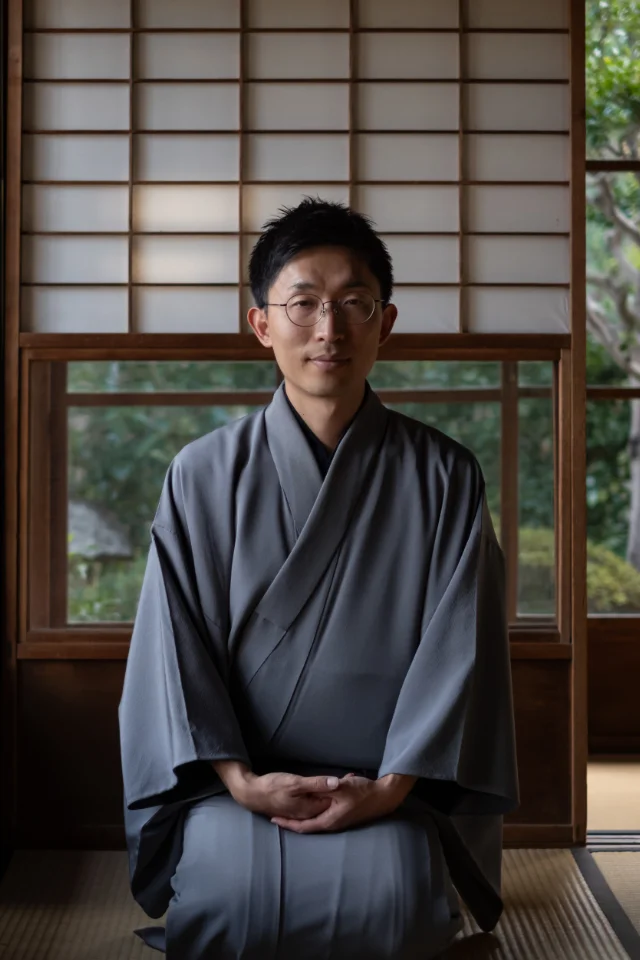
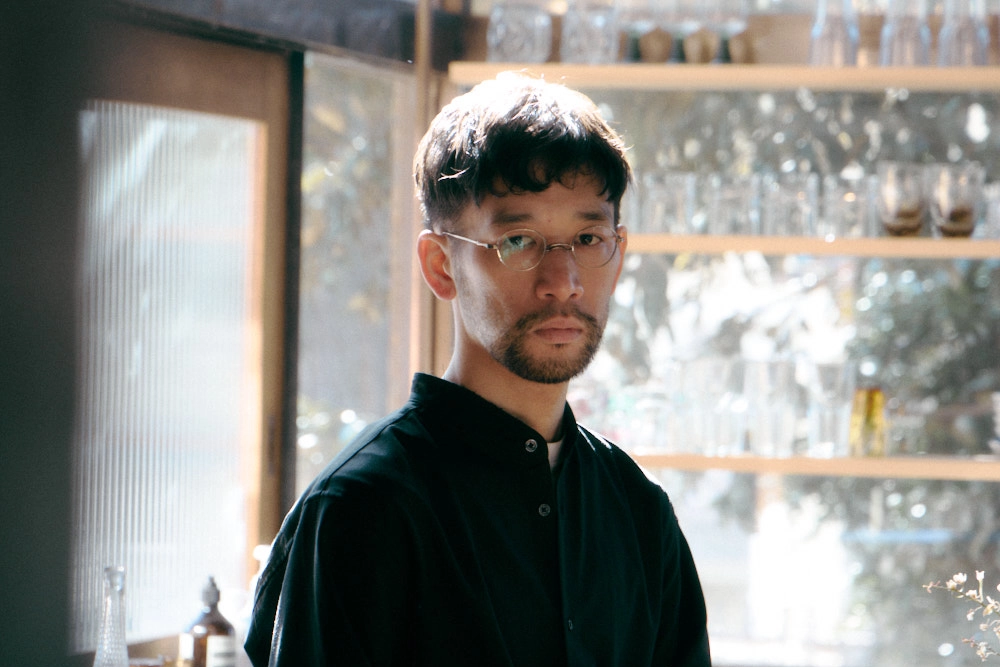
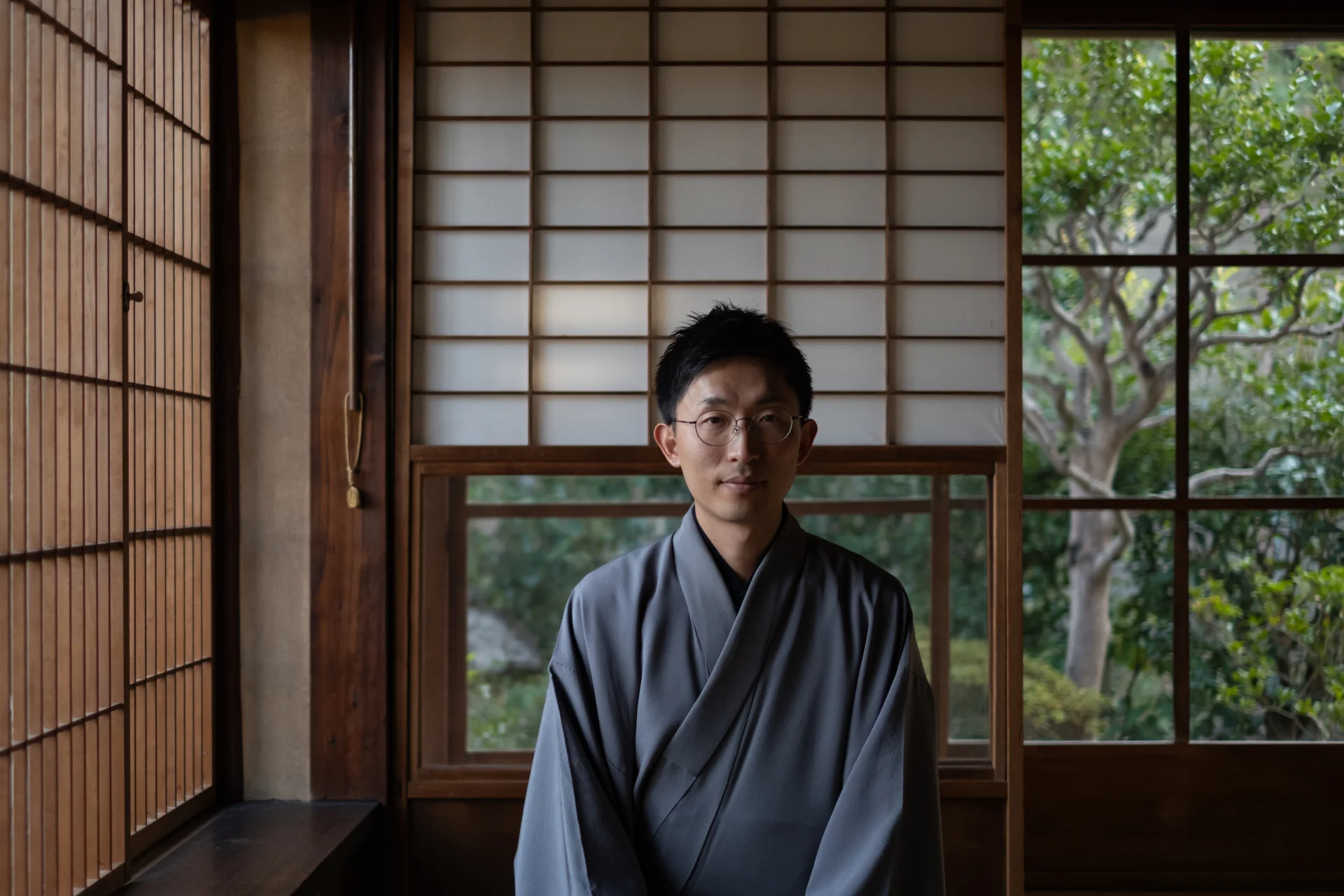
Dairik Amae
Tea teacher & architect, Kyoto
Dairik Amae is a contemporary tea teacher and architect based in Kyoto, known for presenting the Way of Tea as a living, embodied practice for modern life. Influenced by Zen and Shinto, his teaching blends form, ritual, and open inquiry – inviting people to experience tea not as tradition alone, but as a way of cultivating presence in everyday life.
Having grown up internationally as the child of a diplomat, Dairik naturally bridges cultures and contexts. He teaches from his teahouse in Kyoto and works with students around the world, offering tea as a grounded and accessible path for meeting life with greater care, clarity, and attentiveness.
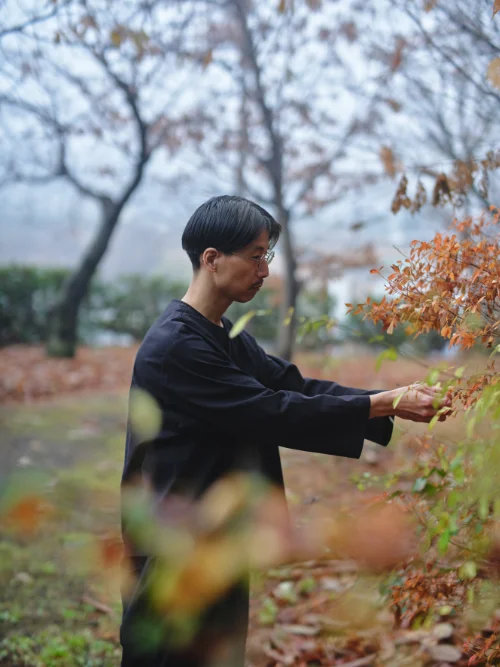
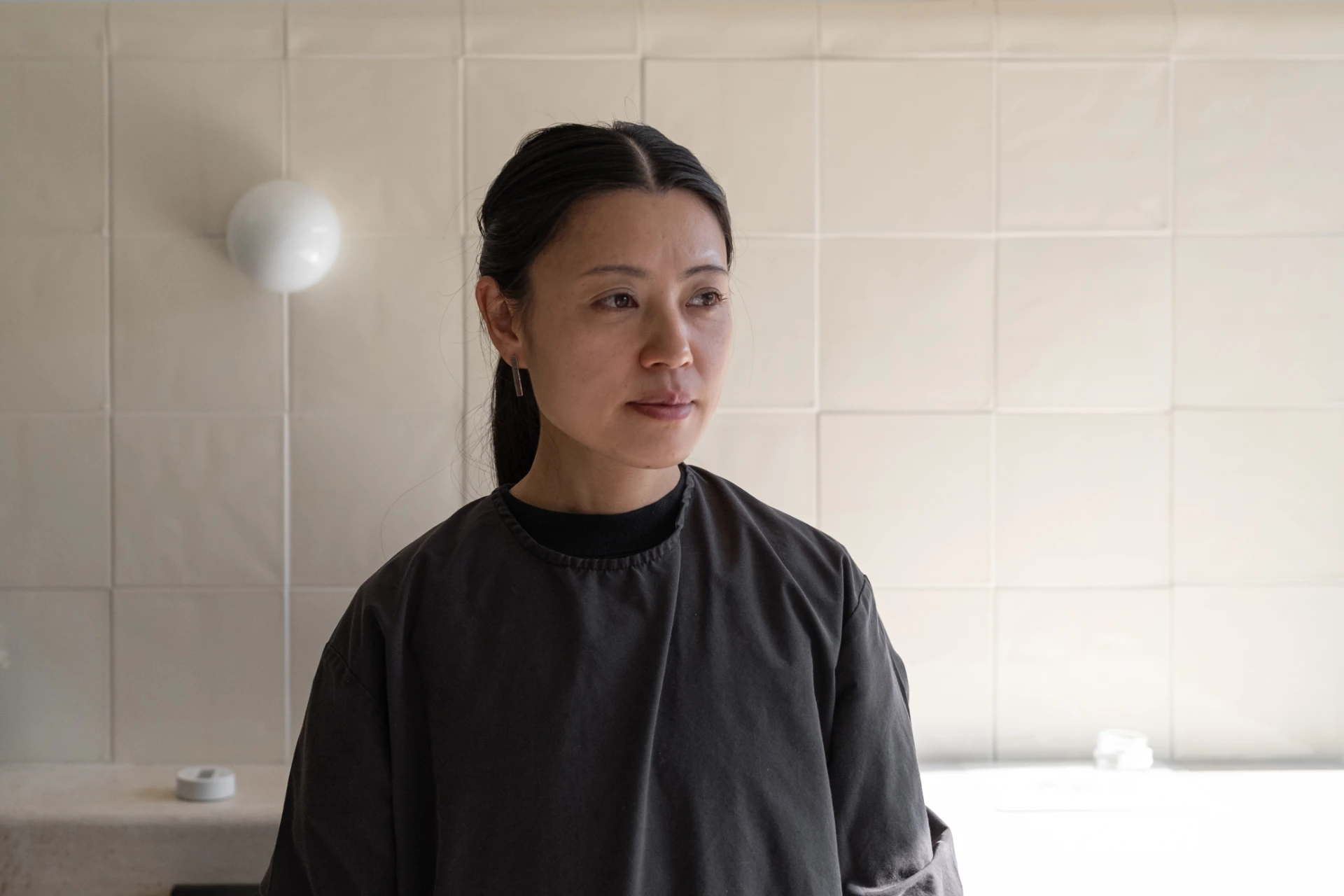
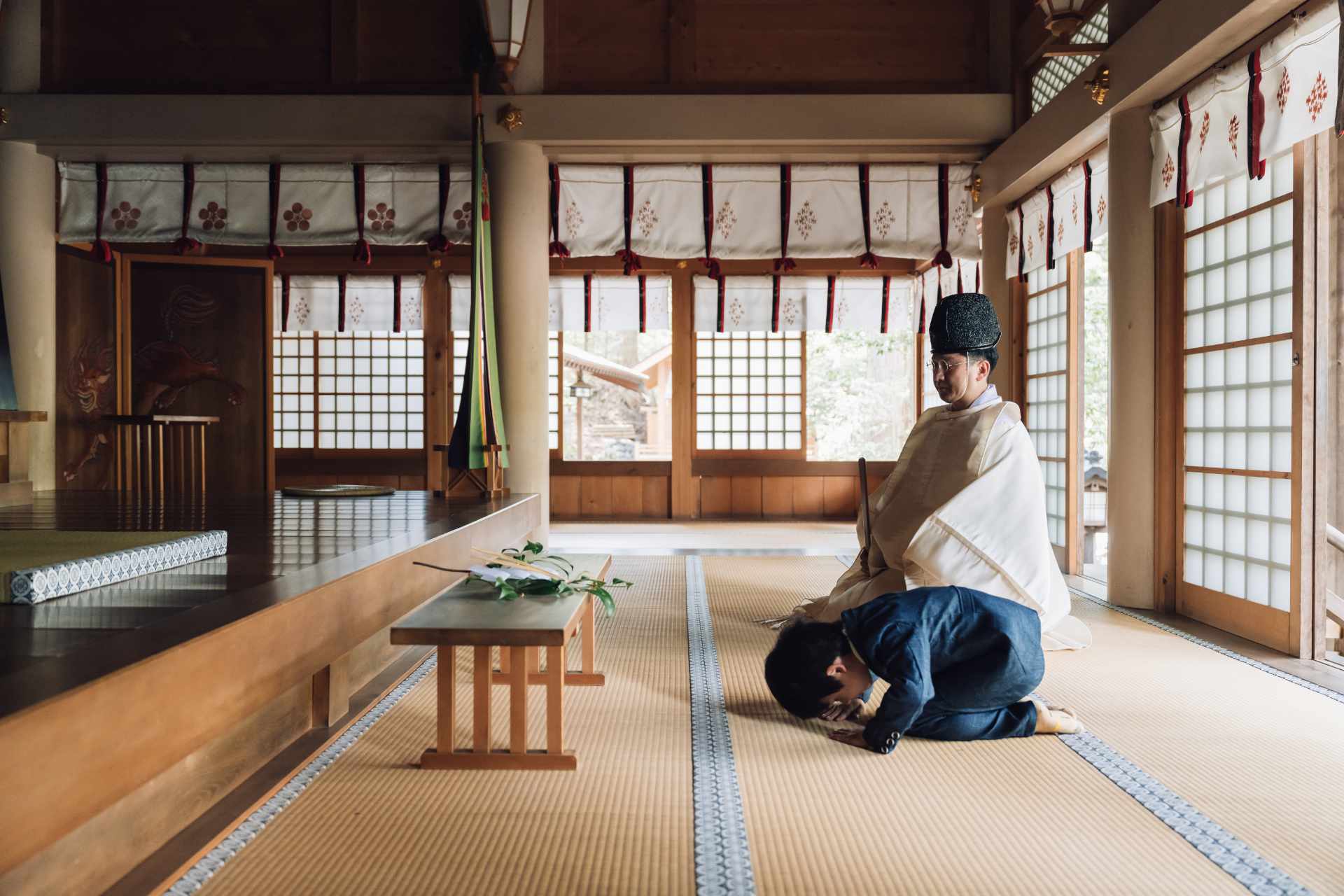
Katsuhito Imaizumi
Tea practitioner & creator of contemporary tea experiences, Paris
Katsuhito Imaizumi is a contemporary tea practitioner based in Paris, known for his gentle, sensory approach to tea as a relational and experiential practice. Trained in both matcha and sencha, he has worked at Sakurai Japanese Tea Experience in Tokyo and served as head tea master at Ogata in Paris.
Rather than explaining tea, Katsuhito invites people to inhabit it. His teaching emphasizes sensing, timing, and attunement – helping participants trust embodied knowing and discover how presence can be felt, shared, and carried into daily life.

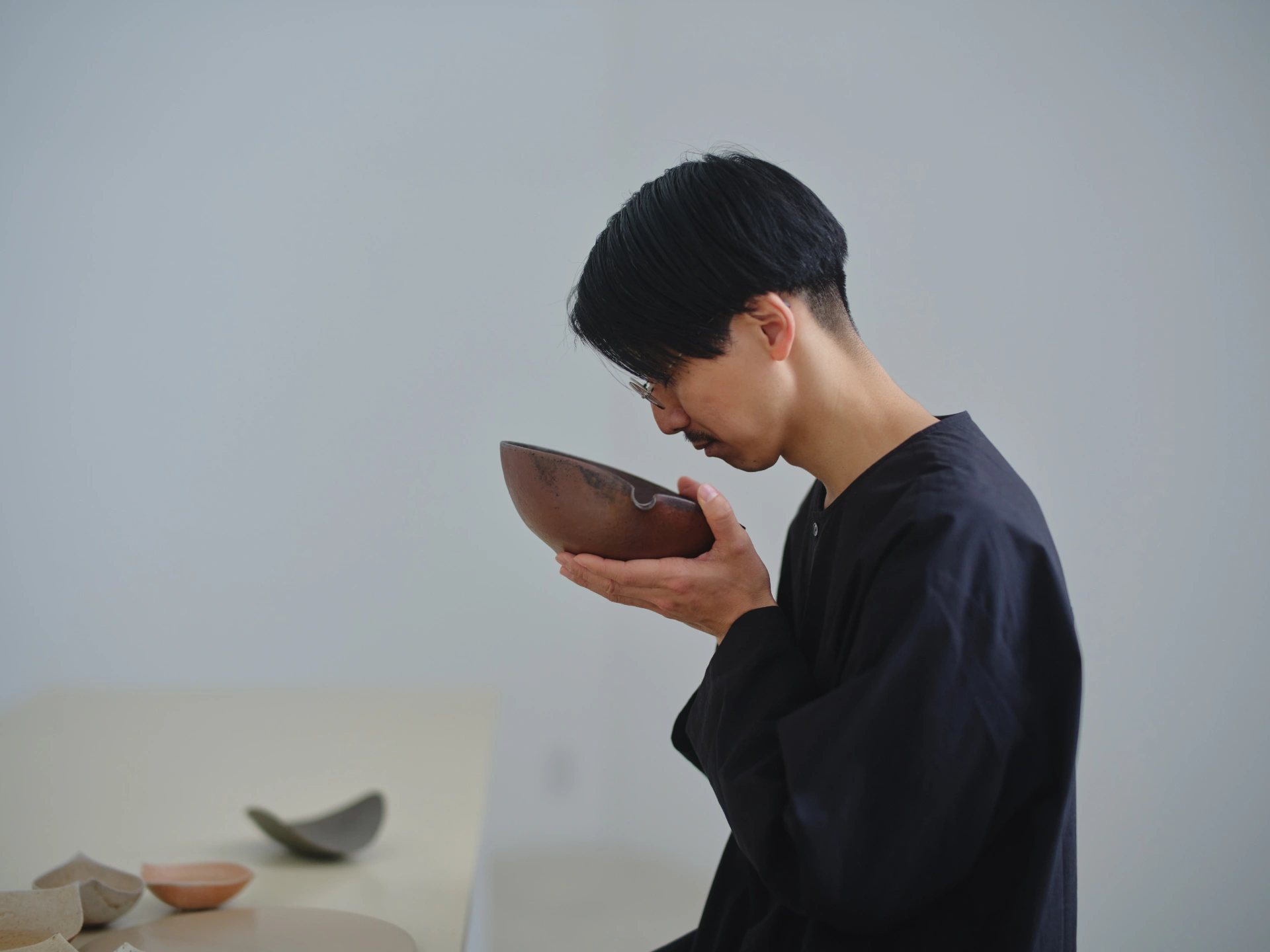
Jonas Bjerre-Poulsen
Architect & co-founder of Norm Architects, Copenhagen
Jonas Bjerre-Poulsen is an architect and co-founder of Norm Architects, an internationally recognized studio known for its human-centered approach to architecture, interiors, and objects. His work is deeply influenced by Japanese aesthetics and philosophy, exploring how space, form, and material shape how we feel and relate.
In this program, Jonas joins Dairik Amae in a closing dialogue that widens the inquiry beyond tea. Drawing on architecture and lived practice, he invites reflection on how stillness, attention, and care are cultivated — not only within ourselves, but through the spaces and forms that hold everyday life.
How the Program Unfolds
The program begins with tea as a practice of arrival — grounding attention through simple, repeatable forms.
From there, the inquiry gradually widens: into relationship, sensory awareness, inner knowing, and the spaces and objects that quietly shape how we live.
Each step builds on the last, supporting a way of practicing presence that can be carried into your daily life.
SESSION 1
Arriving Through Tea
Wed. 28 January: 9:00-10:30 am Central European / 5:00-6:30 pm Japan time
with Dairik Amae
- Experience the Japanese Way of Tea as a practice of true arrival – using simple, embodied practices to slow down, settle and feel at home in your own life.
- Witness a tea ceremony from Dairik’s teahouse in Kyoto, experiencing how ritual becomes a container for care, attentiveness, and genuine hospitality
- Explore the four principles of tea — Harmony, Respect, Purity, and Tranquility — not as ideals, but as qualities cultivated through practice and carried into everyday life
- Discover wabi as a way of seeing, where simplicity, imperfection, and restraint restore rhythm, ease, and a quieter relationship with the world
SESSION 2
Emptying Our Cup
Wed. 4 February: 9:00-10:30 am Central European / 5:00-6:30 pm Japan time
with Dairik Amae
- Explore the deep relationship between Zen and the Way of Tea, discovering why tea is often described as Zen in motion — a practice that meets truth through action rather than explanation
- Encounter beginner’s mind as a lived practice, learning how “emptying our cup” softens fixed assumptions and allows each moment to be met freshly
- Learn about— Shu, Ha, Ri — as a map for growth, offering a compassionate way to understand learning, change, and creative freedom — in practice and in life
SESSION 3
Tea Spirit and the Living World
Wed. 11 February: 9:00-10:30 am Central European / 5:00-6:30 pm Japan time
with Dairik Amae
- Discover how tea reflects a Shinto-informed way of relating to the world, where objects, spaces, and natural elements are met as alive, relational, and worthy of care
- Experience how attention to objects, touch, and atmosphere deepens presence, shaping how you move through spaces and relate to what surrounds you
- Reflect on how this worldview extends into contemporary life, from technology and AI to Japanese art, manga, and film — offering a gentler, less adversarial way of meeting the non-human world
- Learn the difference between shizen and jinen — two ways of understanding nature — and how they influence whether we experience ourselves as separate from, or part of, the living world
SESSION 4
Listening Through the Senses
Wed. 25 February: 9:00-10:30 am Central European / 5:00-6:30 pm Japan time
with Katsuhito Imaizumi
- Awaken and refine your senses through simple tea practices, learning how attention naturally deepens when you slow down and listen with the whole body.
- Develop and trust your innate intuition — a form of knowing that lives in the body and is often quieted by constant thinking, analysis, and speed.
- Discover how sensory awareness cultivated through tea can bring greater ease and clarity into everyday decisions, interactions, and creative work.
- Experience the difference between managing a moment and sensing when something feels right, using tea to explore timing, rhythm, and subtle choice.
SESSION 5
Being Together
Wed. 4 March: 9:00-10:30 am Central European / 5:00-6:30 pm Japan time
with Katsuhito Imaizumi
- Experience how tea places relationship at the center — sharpening awareness of how you meet others, objects, and shared space through attention and care
- Cultivate empathy as an embodied capacity, sensing how presence, timing, and warmth naturally attune you to the “other”
- Explore shared time through simple tea practice, discovering resonance beyond words, roles, or performance
- Carry a lived sense of interconnection into daily life, meeting people, environments, and moments with greater appreciation and respect
SESSION 6
Stillness, Space, and the Forms That Shape Us
Sun. 8 March: 9:00-10:30 am Central European / 5:00-6:30 pm Japan time
with Dairik Amae & Jonas Bjerre-Poulsen
- Engage in an open, facilitated dialogue between Jonas and Dairik followed by audience Q&A, inviting shared inquiry rather than fixed conclusions
- Explore stillness as a lived quality — how it can be cultivated within yourself and supported by the spaces and objects you live with
- Reflect on well-being, attention, and everyday aesthetics through the lens of Japanese culture and the Way of Tea, alongside a Scandinavian architectural sensibility
- Consider how form, material, ritual, and care quietly shape how we feel, move, and relate — often without our noticing
How the program works
5 live online sessions
Combining teachings, guided practices, and space for reflection.
1 live dialogue
Offering a widening of perspective through a closing conversation with architect Jonas Bjerre-Poulsen.
Join live or in your own time
All sessions are recorded and fully downloadable.
3 carefully prepared workbooks
For each phase of the program, supporting reflection and integration.
Full access to recordings, transcripts, and handouts included
So you can return to the material in your own rhythm.
The program is designed to be spacious, supportive, and compatible with daily life – inviting depth without pressure.
Each session combines clear introductions to key concepts with lived exploration — including demonstrations, guided practices, reflection, and dialogue.
RegisterVoices from past participants

“It was incredibly enriching on a personal and spiritual level. I would recommend it to anyone!”
Yvan Marco Ladurner, Germany
Yoga teacher & Coach
“I loved every minute of it! The insights gathered will be cherished and keep me grounded.”
Bruno Graça, Lisbon / Amsterdam
Curator & Designer

“I really valued learning new rituals for everyday life. It feels like the beginning of something new in my life.”
Christina Lurell, Sweden
Business owner

“I’ve taken many online courses, but this was by far the most valuable. Each session supported learning, connection, and real change in everyday life.”
Valentina Tikhonova, UK
Author & mentor

“I feel truly at home in the Musubi Academy. What the teachers, hosts, and participants create together feels like a global family grounded in wisdom, care, and shared presence.”
Deborah Herzig, Switzerland
Consultant & project lead
The Practice of Presence
Cultivate Calm, Clarity, and Connection in Daily Life Through the Japanese Wisdom of Tea
January 28 – March 8 2026
This program is an invitation to slow down —
not by stepping away from life, but by learning how to meet it more fully.
Through the Japanese Way of Tea, shared inquiry, and simple embodied practices, The Practice of Presence offers a way to cultivate calm, clarity, and connection that can be lived in everyday life.
As the year turns, join us and explore how presence can become a lived practice.
6 Live Online Sessions
Fully Downloadable
3 Expert Teachers
Workbooks & Transcripts
Insights & Practices
Join Live or Go at Your Own Pace
Registration is now closed
Sign up to be notified about future courses.
FREQUENTLY ASKED QUESTIONS
The 6 sessions that form the core of the program are live and take place via ZOOM video conference. Recordings of those sessions become available a day later so you can also move at your own pace if you prefer, or revisit the sessions.
Yes, English is the main language for all sessions. For a few of the sessions a skilled interpreter will be there in case the faculty members need support in expressing a more complicated or nuanced idea in English.
You’ll have guaranteed access for twelve months following the completion of the program. To retain them longer than this we advise that you download them onto your own computer.
We offer a 12-day money back guarantee. If you are not satisfied with the program for any reason, simply contact us at info@musubi.academy within 12 days of the start of the program and we’ll offer a full refund.
Sessions take place from 9:00-10:30 am Central European / 5:00-6:30 pm Japan time.
Yes, you can receive a certificate of completion for the course. If it’s for business usage it’s good to check if your company approves the program as continued learning. We can offer a certificate for the 10.5 hours that make up the total duration of the sessions on the program. Just send us an email if you would like to receive a certificate once the program is completed.
If you have any questions about the program, you can email us at info@musubi.academy.