
Nothing Exists in Isolation
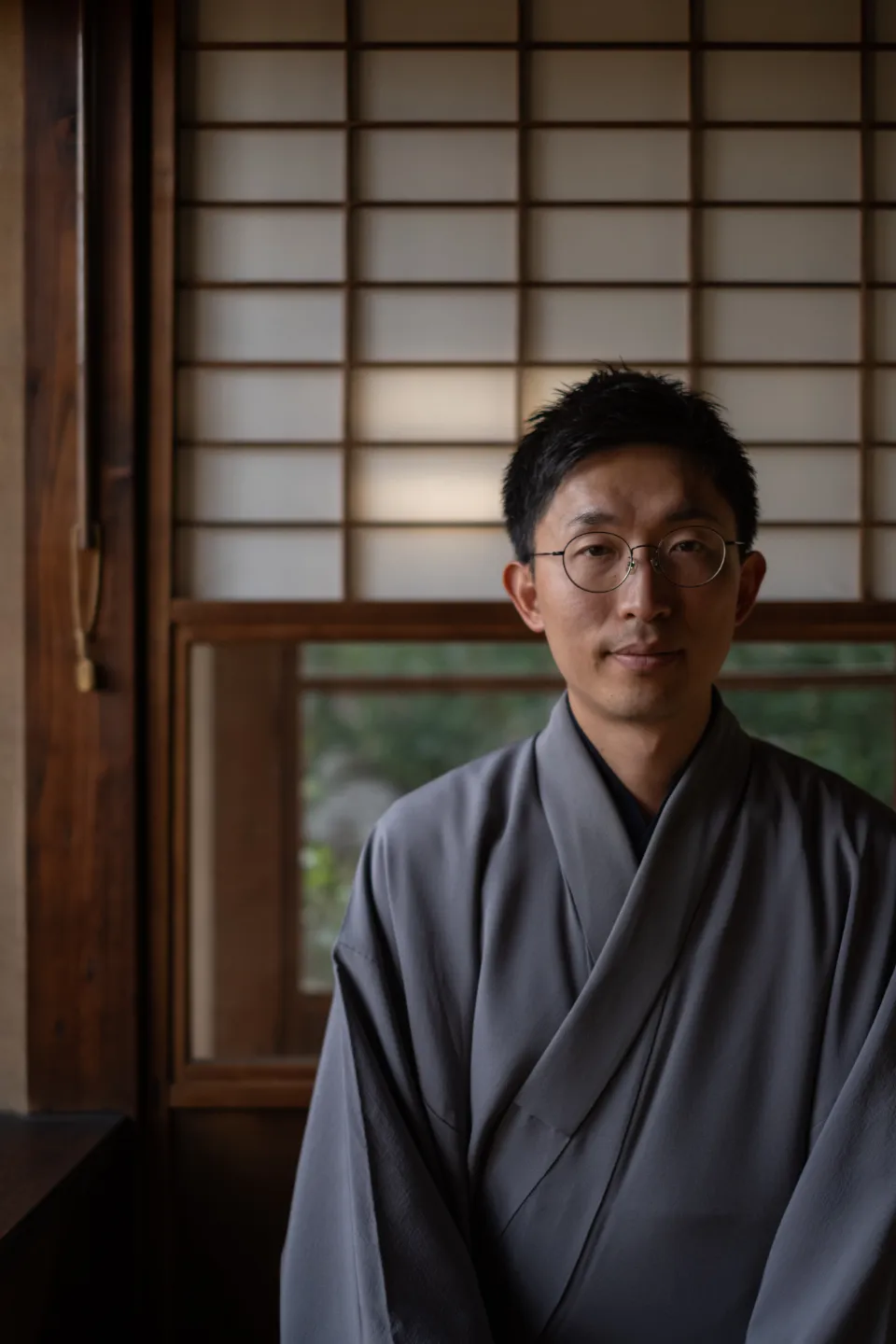
Where did you grow up and how did this shape your perspective on the world?
I grew up living in several countries, including Korea, Russia, the United States, Syria, and Ukraine.
Experiencing different cultures, languages, and social norms shaped my worldview to be globally informed, adaptable, and open-minded. At the same time, these experiences deepened my appreciation for tradition, as reflected in my respect for practices such as the way of tea.
When did you first encounter tea, and what drew you to it?
In 2008, I experienced my first cup of tea with my current master.
At the time, I was studying architecture and was especially drawn to the design of the tea house also called chashitsu (茶室). My teacher is Soren Bisgaard, a Danish Urasenke tea master who has lived in Kyoto and practiced the Way of Tea for almost 40 years.
He would often say,
‘In tea we need to master all things. Do everything with full focus and awareness, but at the same time do not get too serious. In the end it’s just tea.’
Through the study and practice of tea, I have come to better understand interdependence in both myself and the world around me.
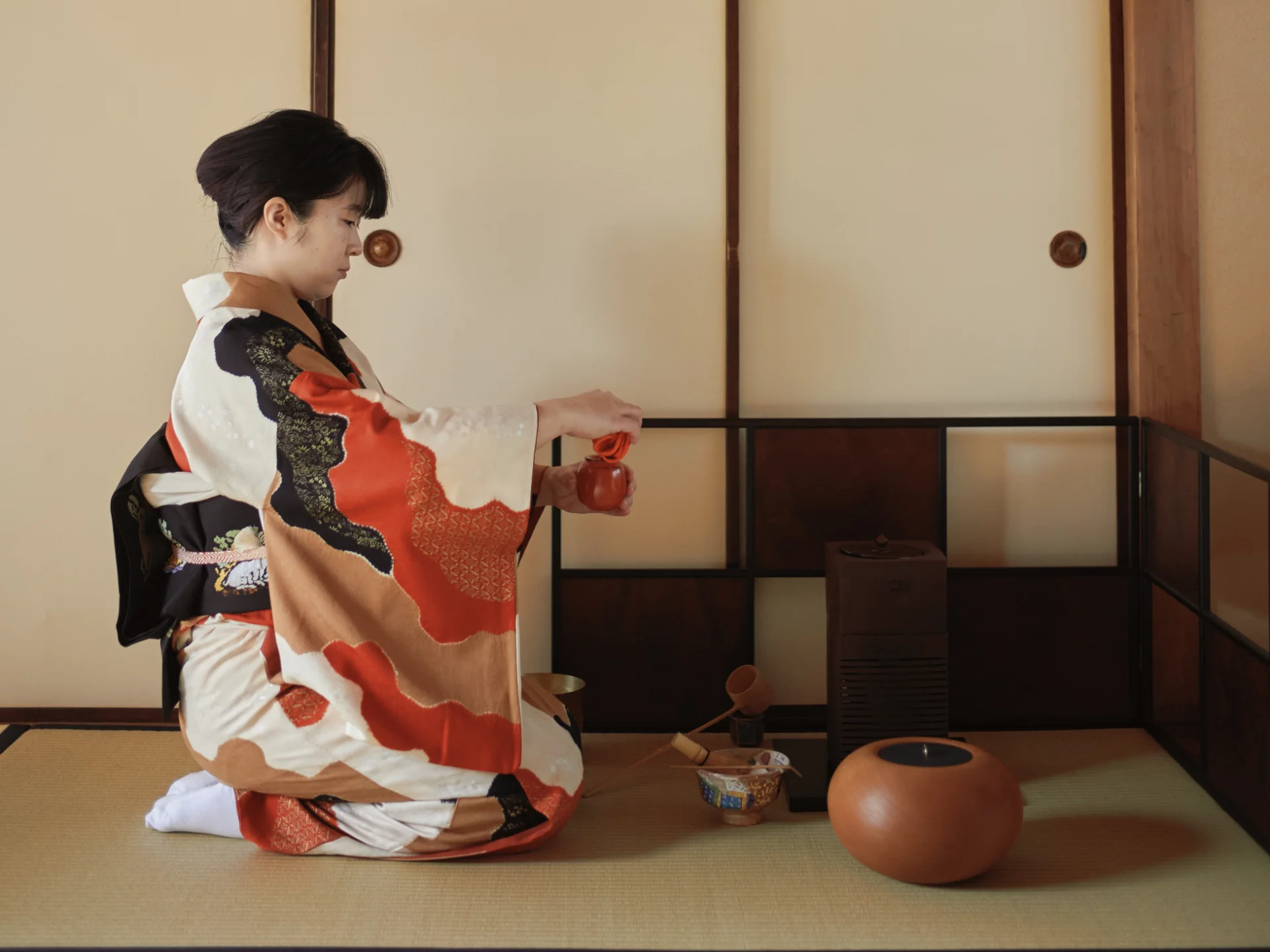
In high school debate, we learned to argue one side while deeply understanding the opposing view. Similarly, in tea practice, there is the role of the host and the role of the guest. Though these roles are different, the experience of tea depends on both.
This awareness has extended beyond people to objects and the environment, reminding me that nothing exists in isolation. While there may be different sides in life, tea has taught me to see them as part of a greater wholeness.
Having Enough
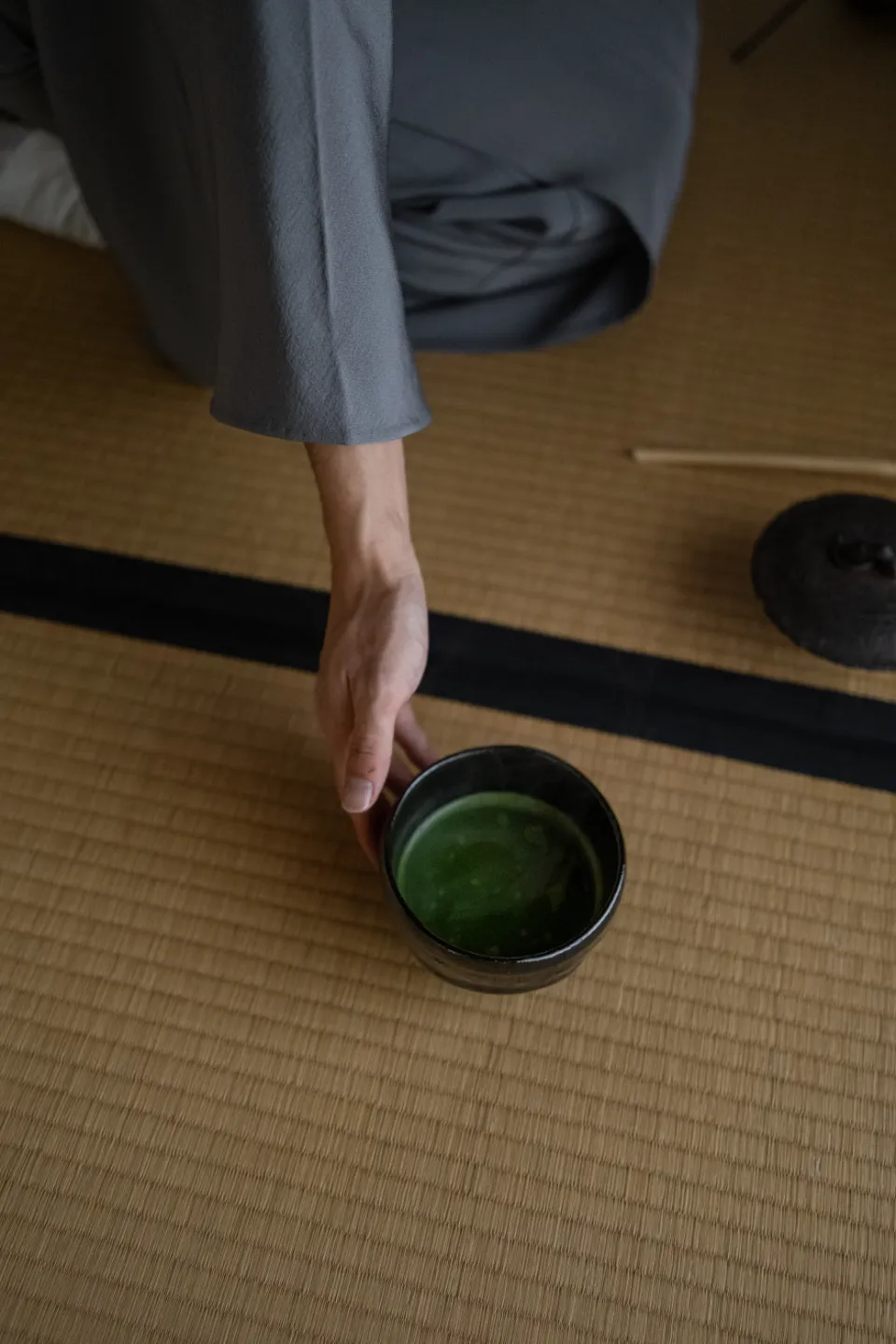
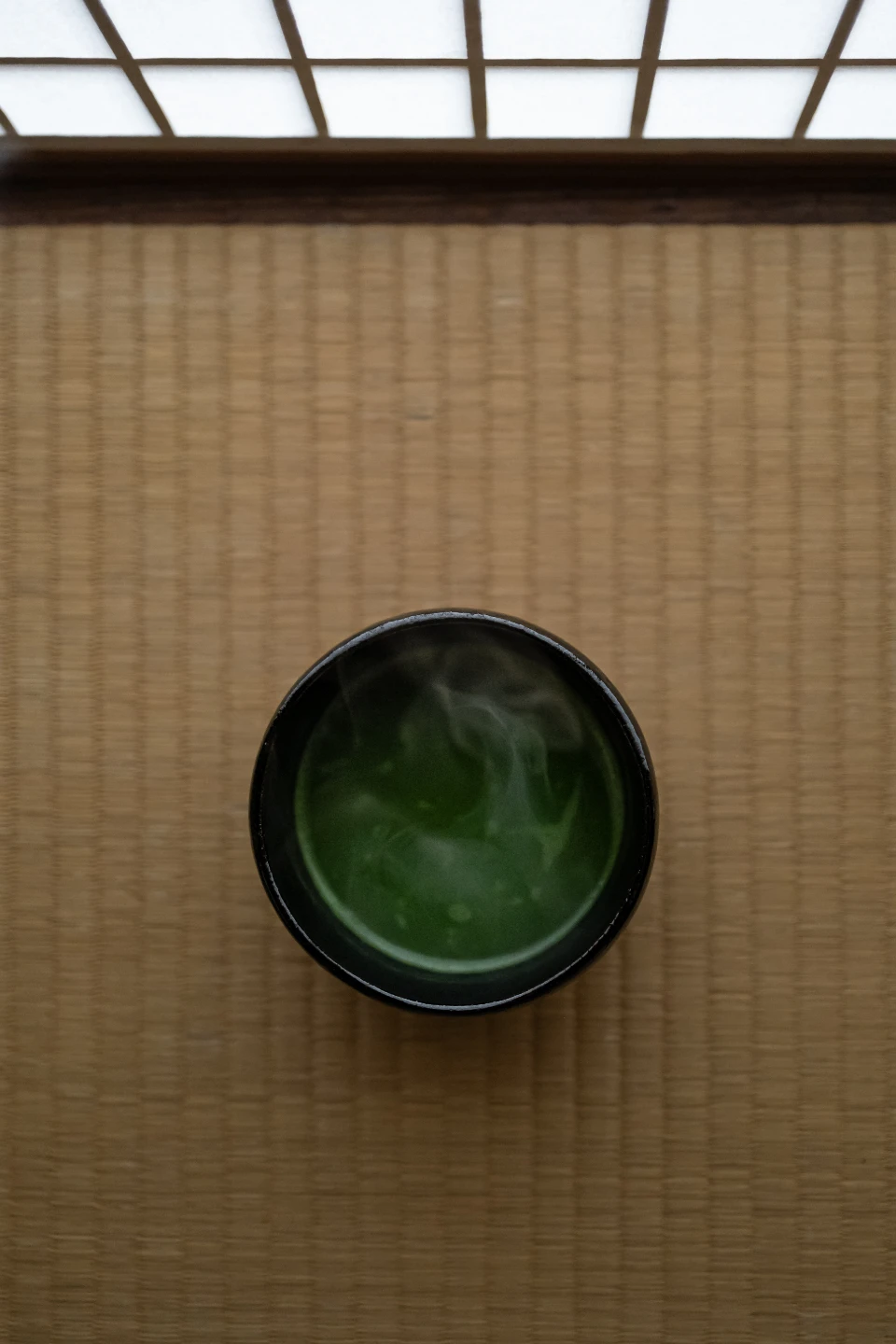
What do you strive for in your personal approach to tea (and life) and how do you try to convey this to your students?
At this stage of my life, I feel that I have enough.
What I strive for is to share the knowledge I received from my master—knowledge that has deepened my life understanding.
I try to convey to my students that the practice requires effort and commitment; it is not simply about whisking matcha, but about cultivating awareness and presence through daily practice.
What do you feel is the ultimate aim and value of the way of tea in today’s world?
I don’t think the way of tea is only meaningful today; it points to something timeless, allowing each generation to learn from it.
At its core, tea teaches us how to make the best of given conditions through simplicity, restraint, and awareness.
In the modern world, we are constantly surrounded by material wealth and information, often in excess. While we have learned how to consume endlessly, we have not learned how to reset or normalize ourselves. Faced with this abundance, it is worth questioning whether we are truly happier.
The way of tea reminds us that sometimes we must experience lack—like hunger—to fully appreciate nourishment. In this sense, tea offers a practice of mindfulness and balance that remains deeply relevant today.
One text I return to often is Tea Life, Tea Mind by Sen Sōshitsu, the 15th head of the Urasenke tea school — a book I also introduce and use in my sessions with Musubi.
For me, the title “Tea Life, Tea Mind” evokes the Way of Tea as a way of living, where daily life and inner attitude are shaped by tea practice.
“Tea Life” suggests integrating the aesthetics, mindfulness, and harmony of tea into everyday actions, while “Tea Mind” points to the cultivation of awareness, humility, and presence.
Through tea, one trains the mind, and in doing so, transforms how reality is perceived and lived.
Tea & Zen: Cultivating Beginner’s Mind
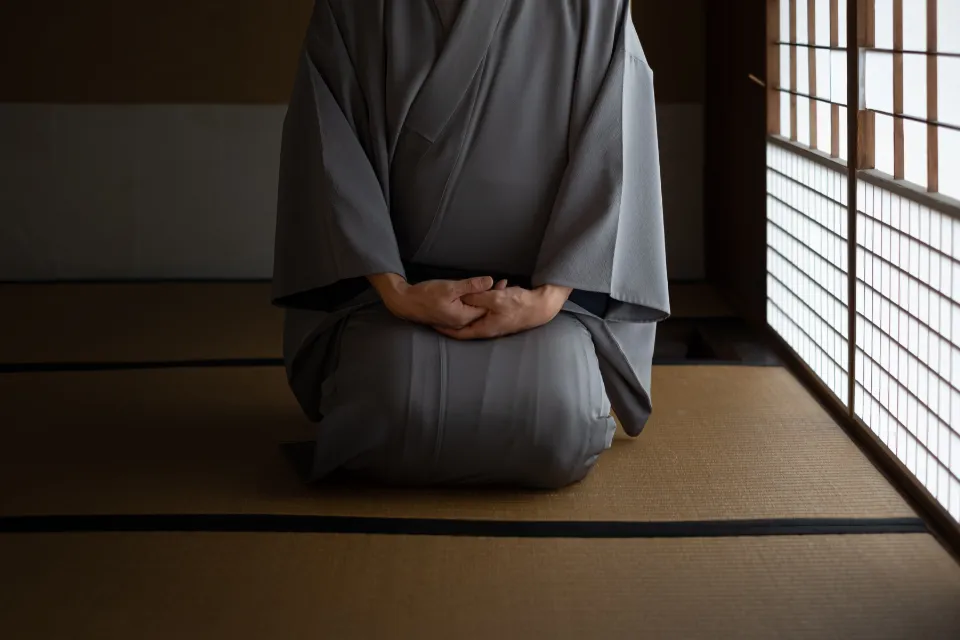
What’s the relationship between Zen and Tea for you?
For me, both Zen and Tea suggest that the treasure lies in the complete attention and sincerity brought to ordinary day to day actions.
An important passage from the Rinzai Zen Buddhism says:
“In the Buddha-Dharma, there is no place for striving. It is simply ordinary life with nothing special: relieving oneself, putting on clothes, eating meals, and when tired, lying down to sleep.”
An important teaching by the famous tea master Sen no Rikyū says:
“You should understand that the Way of Tea is simply this: boiling water, preparing tea, and drinking it—nothing more.”
Like the previous Zen saying, Rikyū’s teaching suggests that the profound spiritual and aesthetic dimensions of tea are found not in elaborate rituals or complex techniques, but in fully engaging with the simple, fundamental acts themselves.
One teaching I return to often captures this sensibility particularly well.
Shoshin wasureru bekarazu
“Never forget the beginner’s mind” or “Do not forget your original intention.”
Although this phrase is not originally a Zen saying, it is widely embraced in Zen practice. It reminds us to approach life with openness, humility, and curiosity, continually questioning our assumptions and reconnecting with the sincerity we had at the beginning.
Studying Zen has helped me re-evaluate my everyday habits, such as cleaning, eating, and resting.
For example, by bringing awareness to eating, I have developed a deeper appreciation for the food itself and for the good fortune of being able to eat—or simply of being alive.
Fostering Humility & Resilience
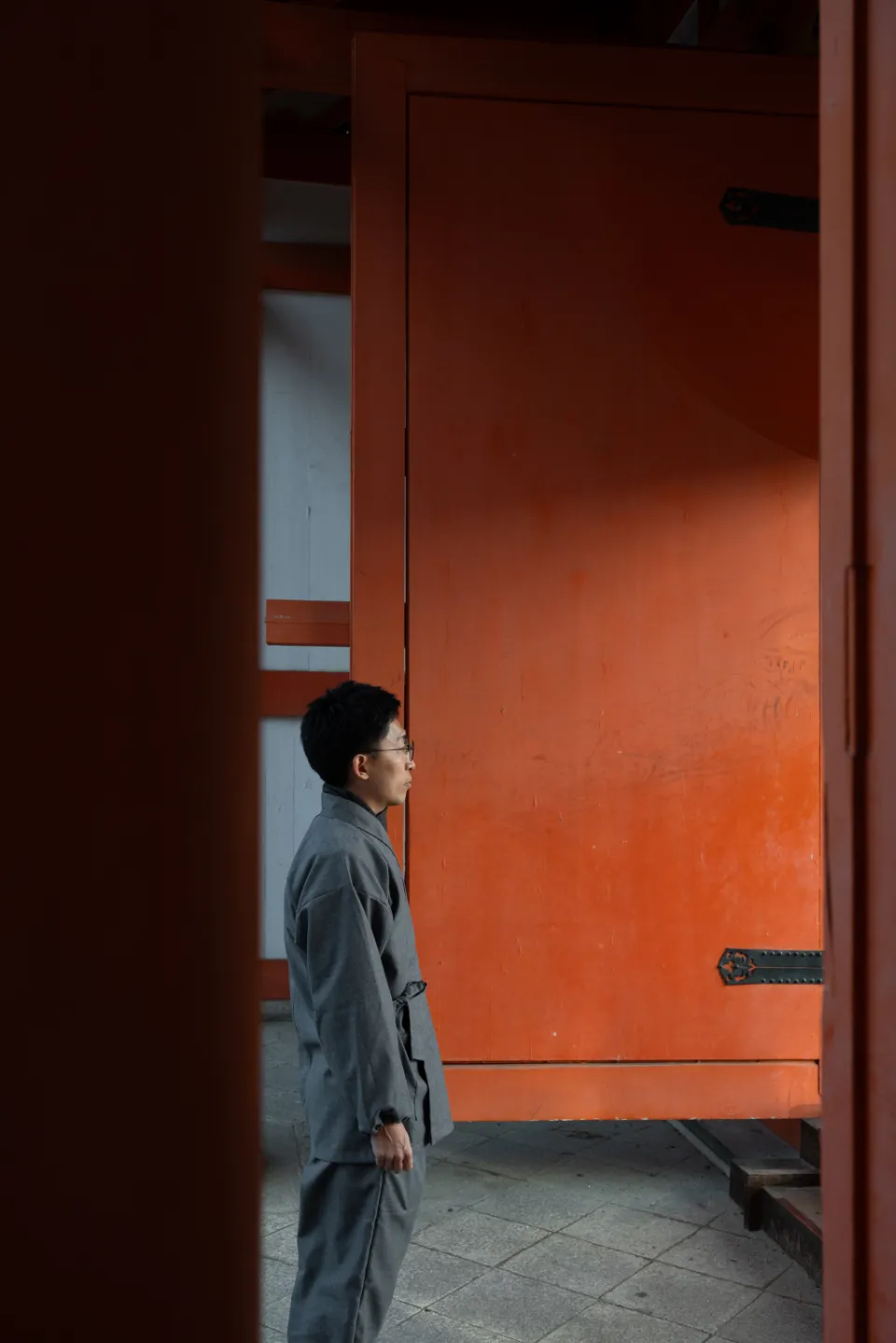
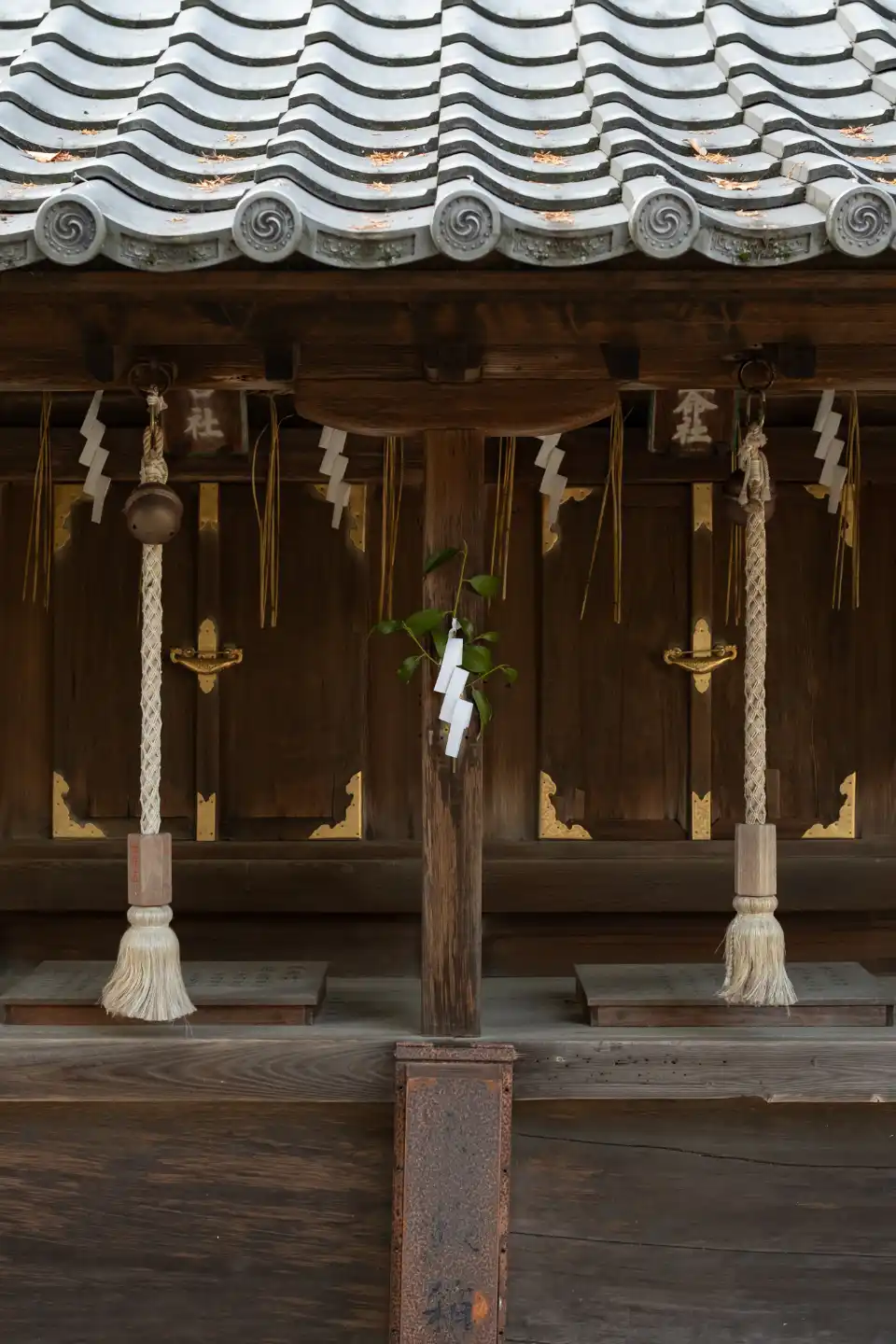
Shinto predates Buddhism and Zen as Japan’s ancient form of spirituality. How has it shaped Japanese culture and sensibility – and how do you see its influence within the Way of Tea?
Shinto has deeply shaped Japanese culture through its emphasis on harmony with nature. Although modern Shinto was influenced by the Meiji Era, its core values remain rooted in respect for natural forces.
In Shinto, nature is not idealized as perfect or benevolent. Earthquakes and tsunamis remind people of nature’s power and human vulnerability. This awareness has fostered Japanese values of humility, resilience, and adaptation.
Nature provides essential resources like shelter, food, and clothing, and the changing seasons are central to Japanese aesthetics and rituals. Rather than trying to control nature, Shinto encourages people to live in balance with natural cycles.
I feel this sensibility continues to influence Japanese daily life and cultural values.
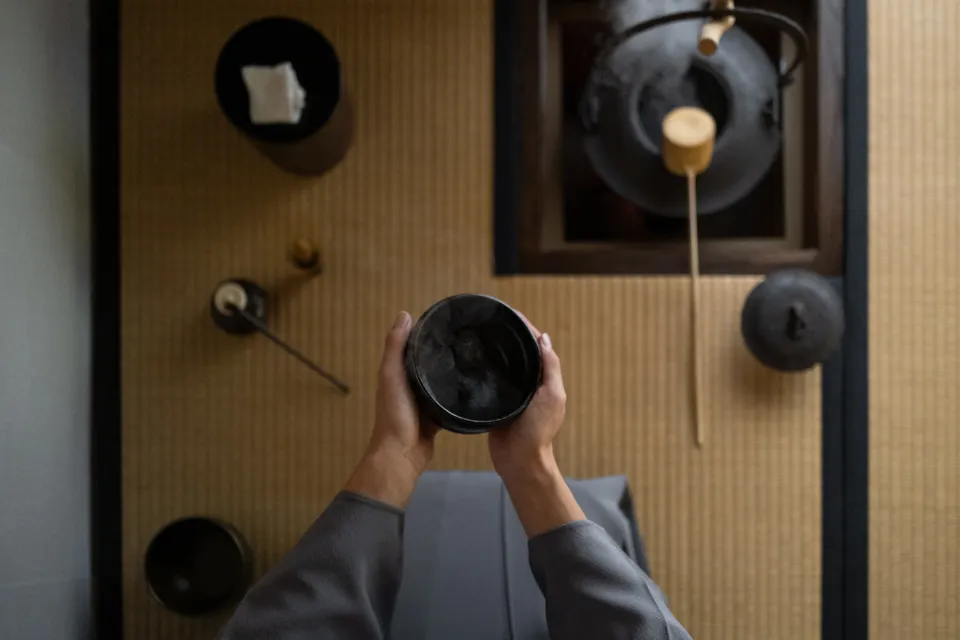
In the Way of Tea, practitioners interact with many objects, some of which are centuries old, fragile, or easily replaceable, such as the bamboo whisk. Regardless of their material value, each object is treated with respect.
This reflects Shinto beliefs that kami—spiritual presence—can reside in natural and crafted objects. As a result, utensils are cared for as if they possess life and dignity, reinforcing mindfulness, respect, and harmony.
How has your involvement with and practice of Shinto at your local shrine enriched your perspective on life (and tea)?
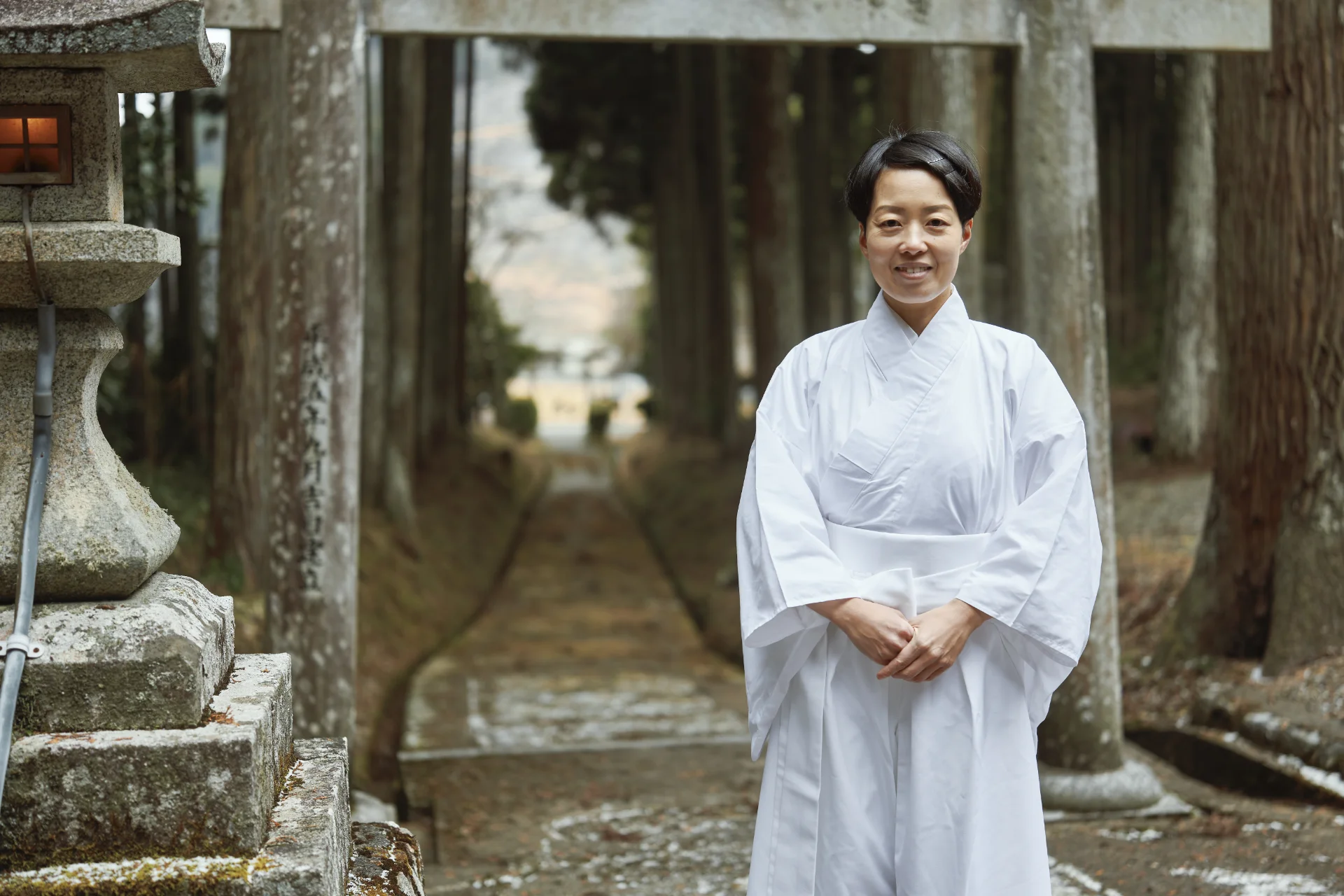
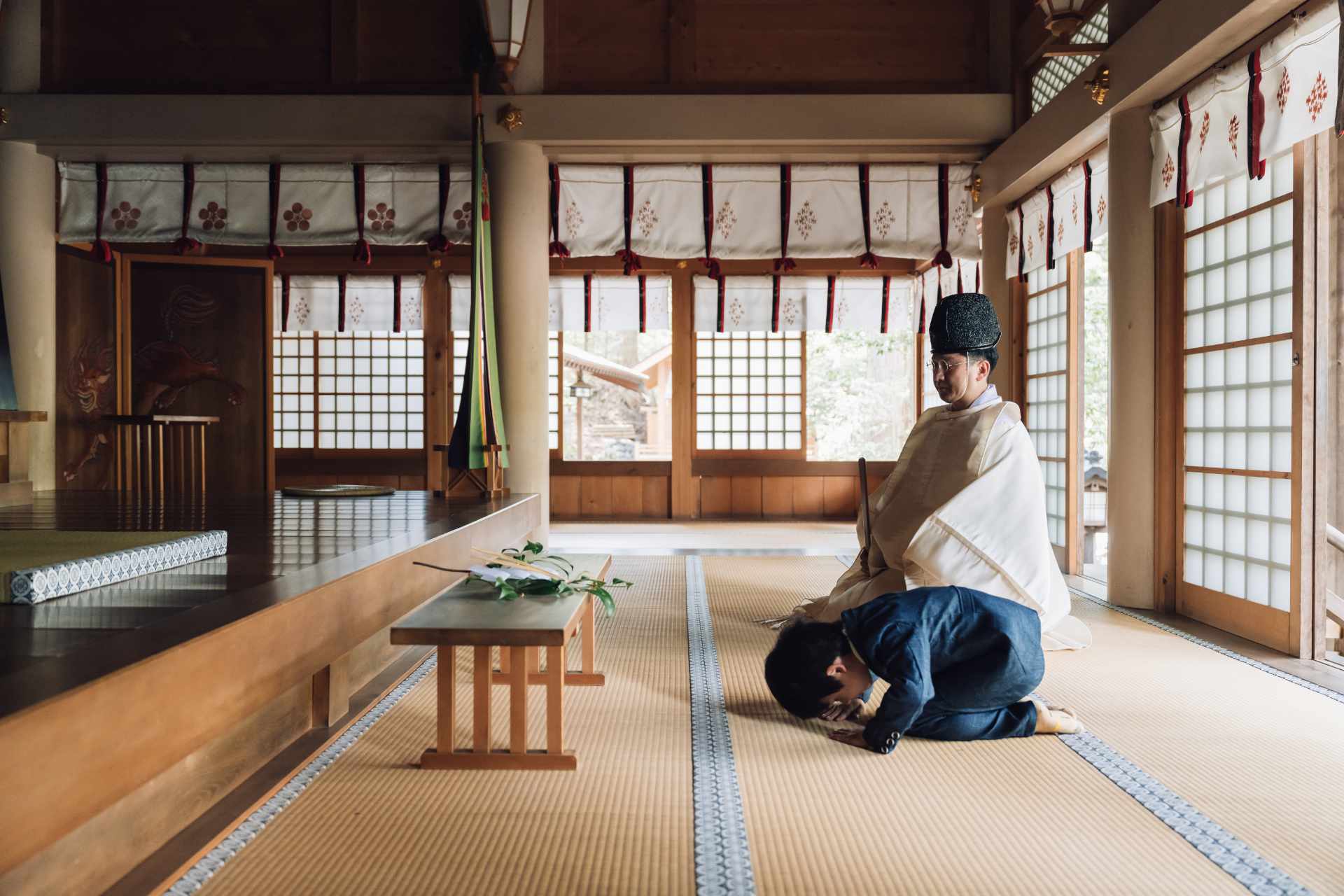
Occasionally, I perform Kagura (神楽) Shinto dance at my local shrine. Much of modern city life has lost touch with the seasons or become detached from nature’s rhythms.
Through this dance, I reconnect with the changing seasons alongside my community. This shared experience between host and guest is also central to tea practice. In the tearoom, we come to understand that despite our differences, we share common ground for connection.
Through both Shinto practice and tea, I have learned the importance of harmony, mutual respect, and working together—especially during difficult times.
Applying Tea to Daily Life
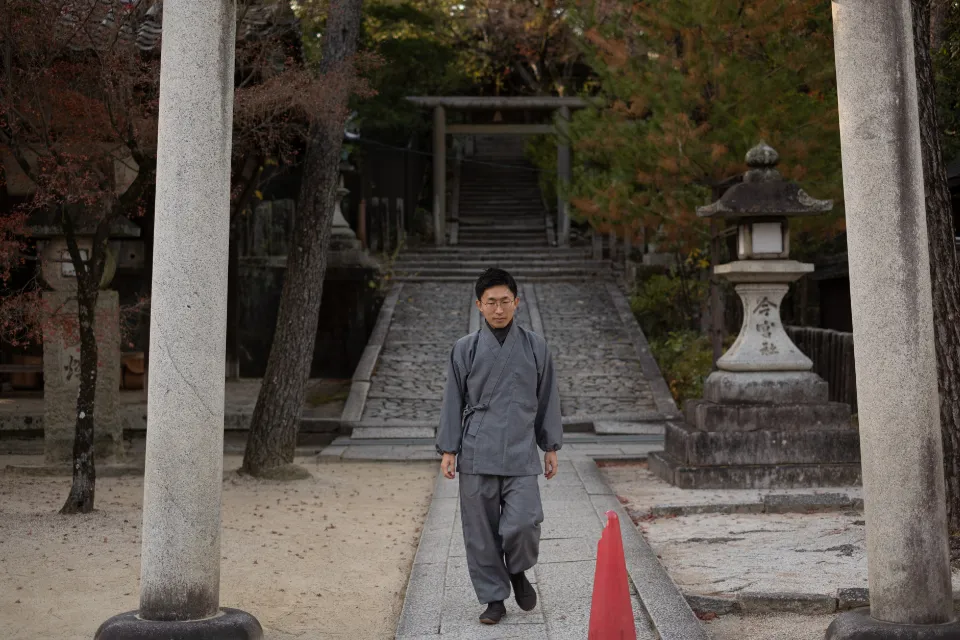
What are you most looking forward to exploring with participants in your sessions — and what do you hope they experience and carry with them afterward?
I look forward to interacting with participants as I would with guests during a tea ceremony.
This interaction is essential, as it embodies the teachings and brings them to life. My master often says, ‘It is important to apply tea practice to daily life.’
I hope these sessions will help deepen the participants’ everyday experiences. Please join with curiosity. I look forward to sharing tea with you.