

Genuine Connection
What do you feel is the deeper value of Tea in today’s world?
In today’s world, we are more connected than ever — at least on the surface.
We are constantly in touch through screens, messages, and images. But many people feel more disconnected than ever — from their own bodies, from each other, and from the natural world.
I think one of the quiet challenges of our time is that we’ve lost the feeling of being truly connected — not just socially, but sensorially, spiritually.
That’s why awakening the senses and cultivating intuition is so important. These are not luxuries or abstract ideals — they are ways of returning to what is essential in being human.
When we learn to feel more deeply, we also begin to trust ourselves more. Not from a place of ego, but from a rooted, embodied confidence — a quiet strength. Tea offers this kind of practice. It teaches us how to slow down, how to listen, how to be present — not just with others, but with ourselves.
In a world full of noise and speed, these qualities become even more precious. They are the foundation for well-being, clarity, and genuine connection.
Solitude & Togetherness
How does tea help us cultivate these qualities?
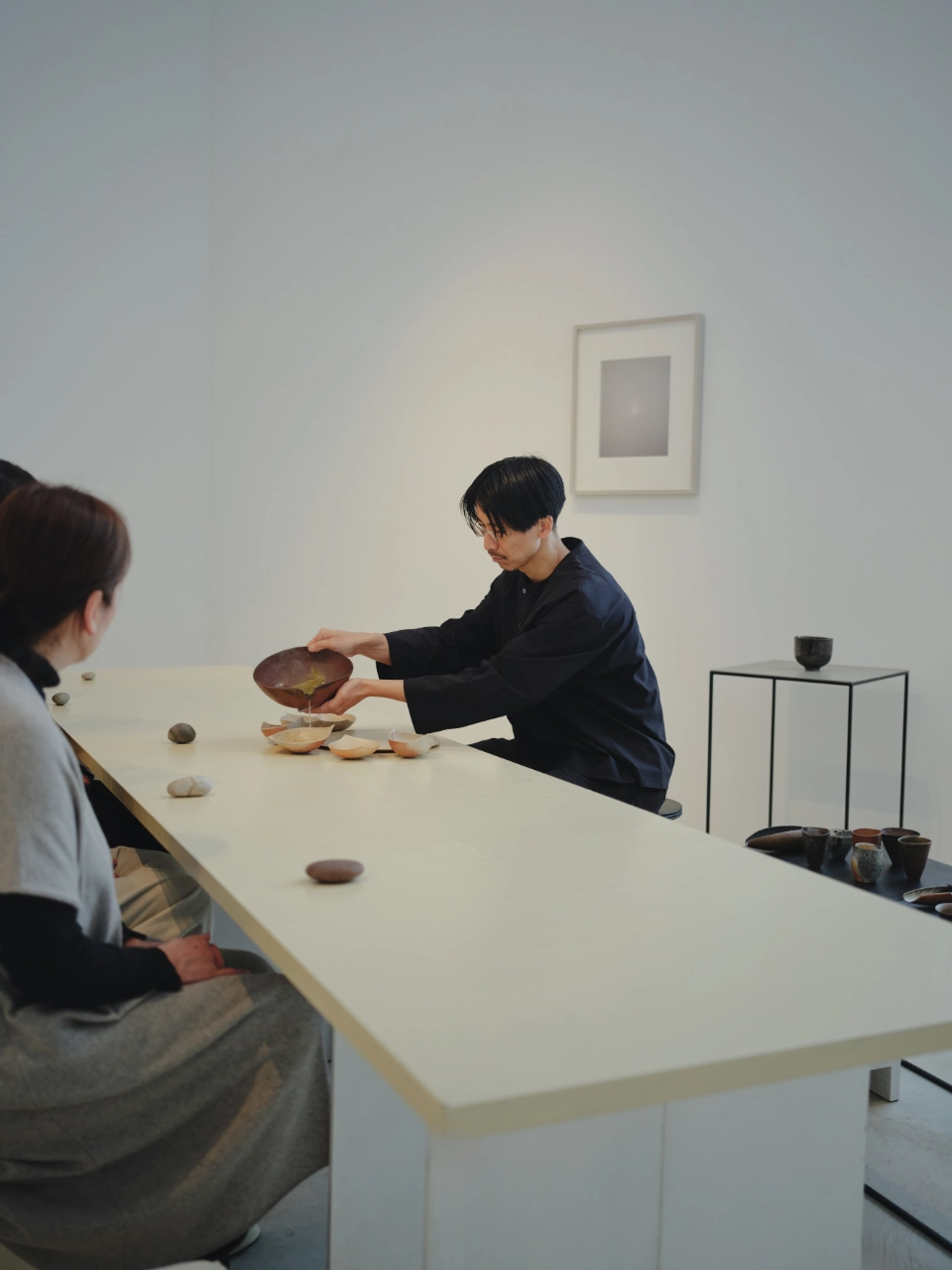
For me, preparing tea is both an intimate practice of self-awareness and a quiet act of connection with others. And the beauty is that these two aspects are never truly separate.
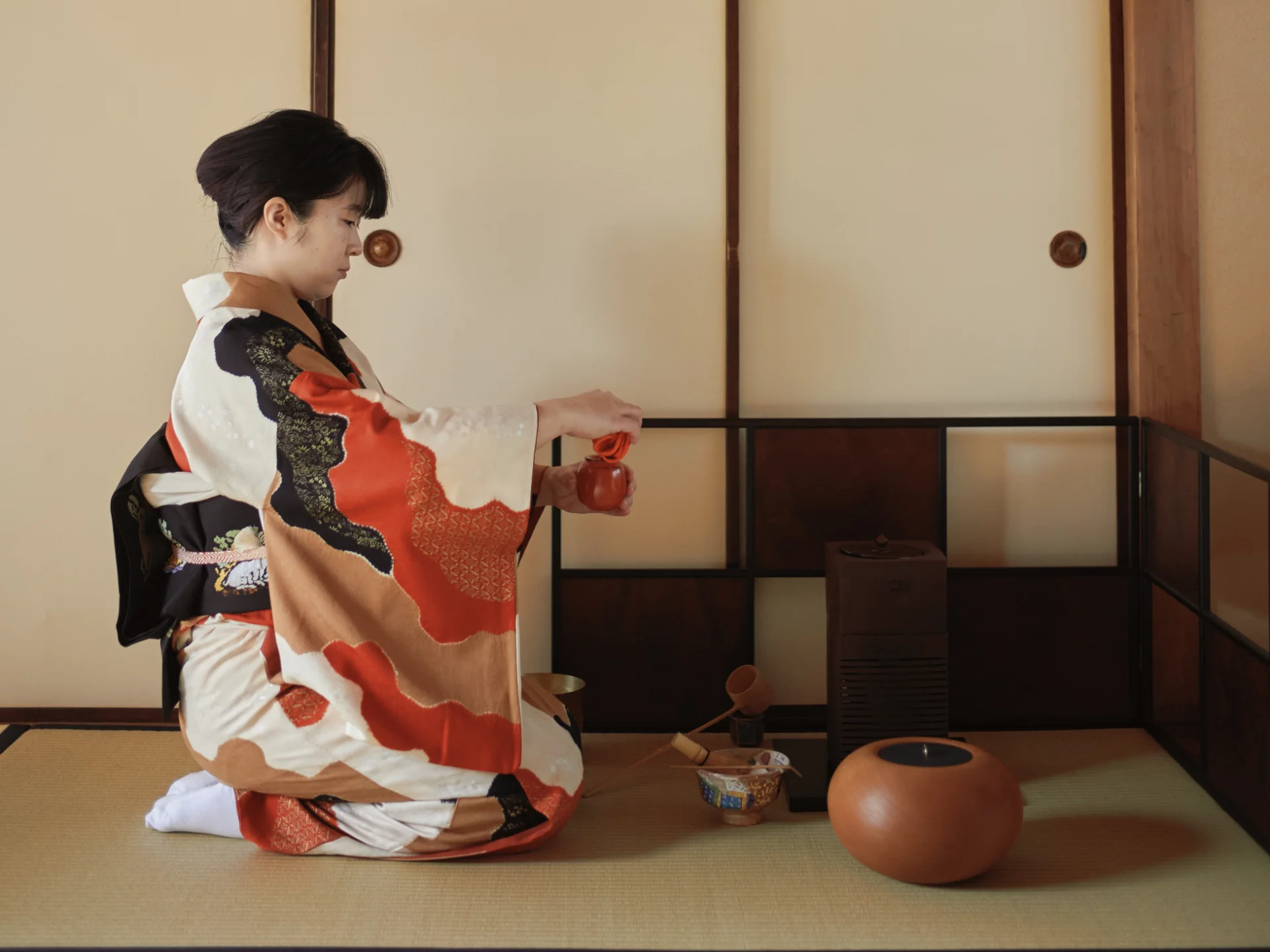
When I focus on making tea, I turn inward. My attention softens, and I become aware of my breath, the way my hands move, the sound of water, the temperature of the air. This concentration is a kind of meditation — a way of returning to myself.
But even when I prepare tea alone, I never feel completely alone. There’s always someone present in the experience — the one who made the tea, the one who shaped the bowl, the people who taught me, or the guests I carry in my memory. I feel connected to a long line of relationships, seen and unseen. We are never truly alone. There is no perfect solitude.
And when I prepare tea for someone else, I’m not just offering a drink. I’m creating a space of presence — a quiet offering of attention, care, and welcome. What I give to the other is also something I give to myself. The act of serving becomes mutual — relational, yet deeply nourishing for the self.
This is one of the quiet gifts of tea: it allows us to listen — inwardly, and outwardly — and to move gently between solitude and togetherness.
One Guest, One Host
What is one of the most memorable, early tea experiences you had that shaped your view?
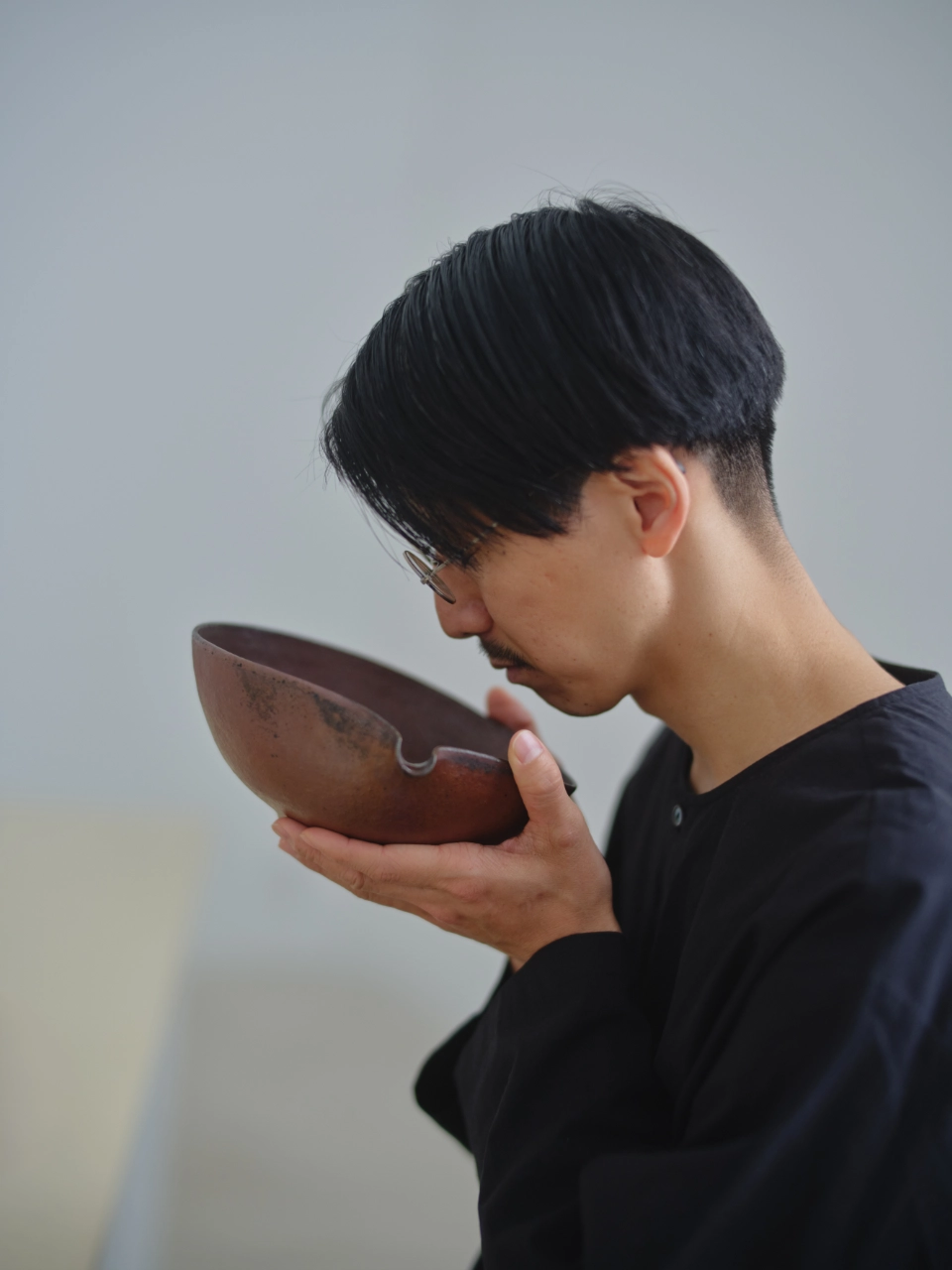
One of the most formative experiences I had was being invited by an elderly tea practitioner to a yobanashi—a quiet, intimate tea gathering held at night.
It was just the two of us, nobody else. In tea we call this ikkyaku-ittei, one guest, one host.
Everything he had prepared — the tea, the food, the utensils, the atmosphere — was chosen and offered with me in mind. I was deeply touched by the care he had taken: the time he spent, the thoughtfulness in every detail, the sense that I was truly being received.
That moment taught me something essential: how powerful it is to be held in someone’s attention, and how beautiful it is to offer that presence to another.
It was then that I thought, “I want to be able to do this for someone else, someday.”
How does tea help us awaken our senses and deepen our intuition?
Tea engages all five senses — not just taste. When we prepare and drink tea with attention, we begin to notice sound, texture, movement, scent, temperature, and light. It’s a practice of presence through the body.
But this awakening of the senses is not forced. It happens naturally when we slow down and choose to pay attention. The more we do, the more sensitive we become — and this sensitivity is the ground from which intuition grows.
I believe that intuition is not a mysterious power, but something we all have. It simply requires us to listen more deeply — not just with the mind, but with the whole body.
Tea offers us that opportunity: to quiet the noise, to feel more fully, and to begin trusting what arises from within.
A Natural Sense of Care

How does tea cultivate a sense of empathy?
When we deepen our relationship with tea, we also deepen our awareness of the many things that support it — the people, the objects, the natural elements, the unseen efforts behind each bowl.
The more we learn about what we are touching, tasting, and using, the more we begin to feel respect — for the person who picked the leaves, the one who fired the clay, the one who taught us, the land that gave its minerals and water.
This kind of learning is not just intellectual. It is felt. And from that feeling, empathy grows. We become more considerate — not just of people, but of tools, textures, temperatures, timing.
In this way, tea expands our capacity to feel. To pay attention. To care.
I believe that this quiet cultivation of empathy — through attention and appreciation — is one of the most needed forms of wisdom in today’s world.
How do you feel this translates outside the tearoom to how we meet and live our lives?
The practice of tea doesn’t stay inside the tearoom. If we allow it, it quietly follows us into daily life.
As we become more attentive through tea — a natural sense of care begins to arise: for people, for objects, for the small details of everyday life.
And as we learn to slow down, we start to value each encounter more. Each person, each interaction, each moment begins to feel more significant, more worthy of presence.
In that way, tea becomes not just something we do — but something we live. It teaches us how to meet the world with a little more respect, a little more kindness, and a deeper awareness of the invisible threads that connect us all.
A Way of Returning
Your motto as a contemporary tea practitioner and teacher is:
“Connecting people and nature through tea.”
Could you share how you arrived at this phrase and why it’s at the center of your approach to tea?
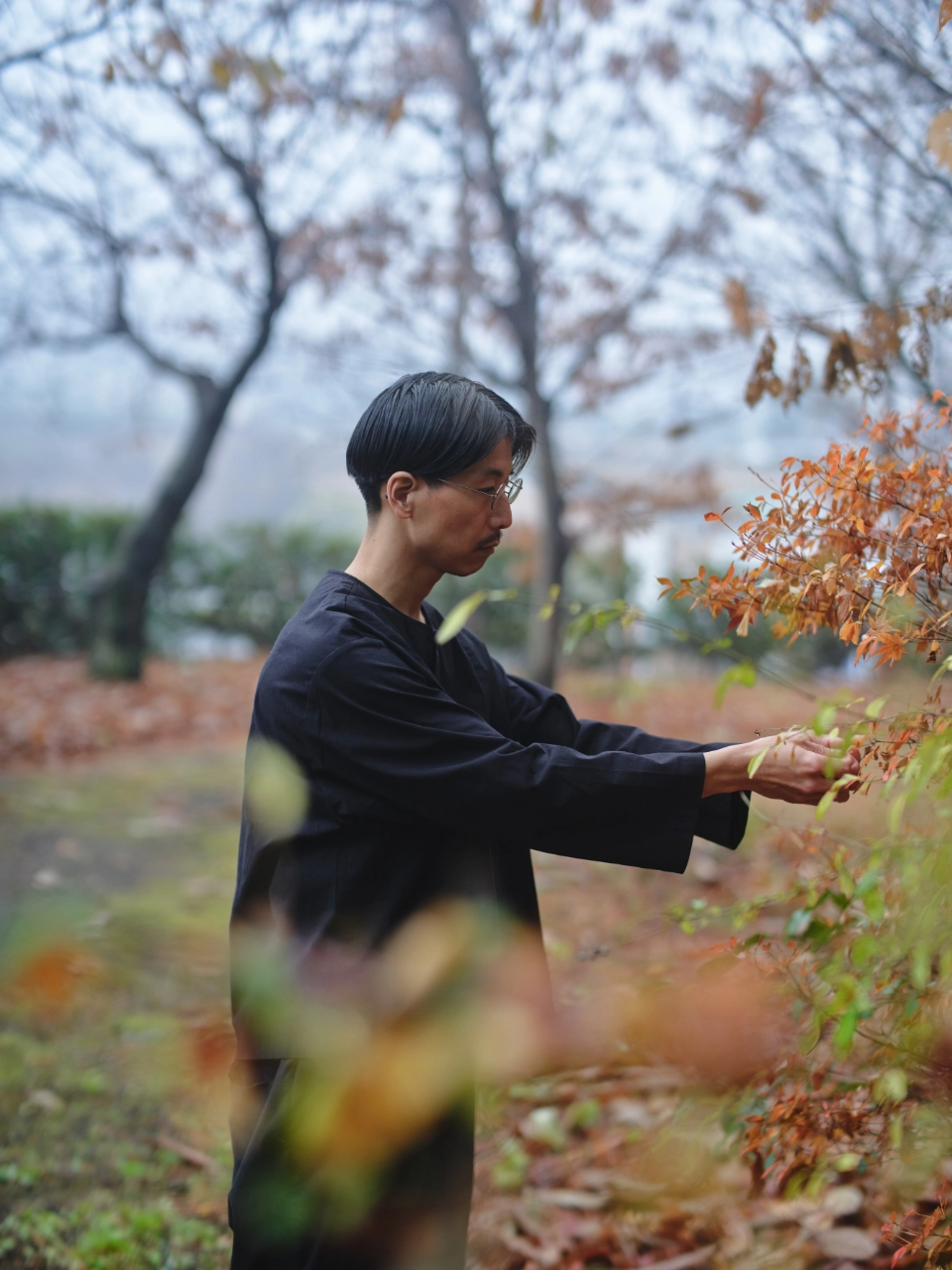
The phrase “Connecting people and nature through tea” emerged not as a crafted concept, but as something I arrived at slowly, through my own exploration and experience.
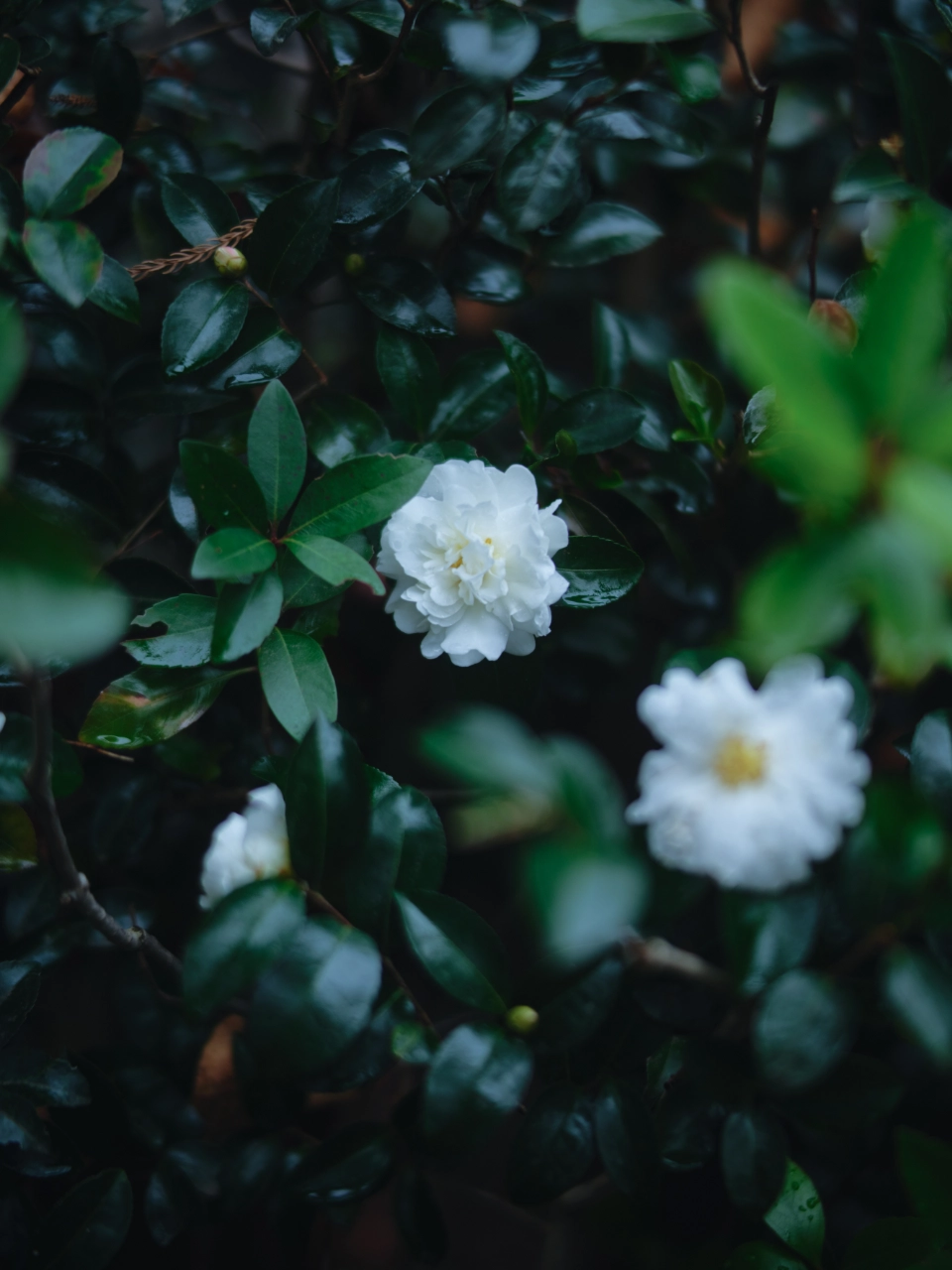
I originally began by studying Japanese food culture. I was fascinated by its subtlety, seasonality, and respect for materials — but as I went deeper, I realized that at the root of it all was a quiet, continuous relationship with nature.
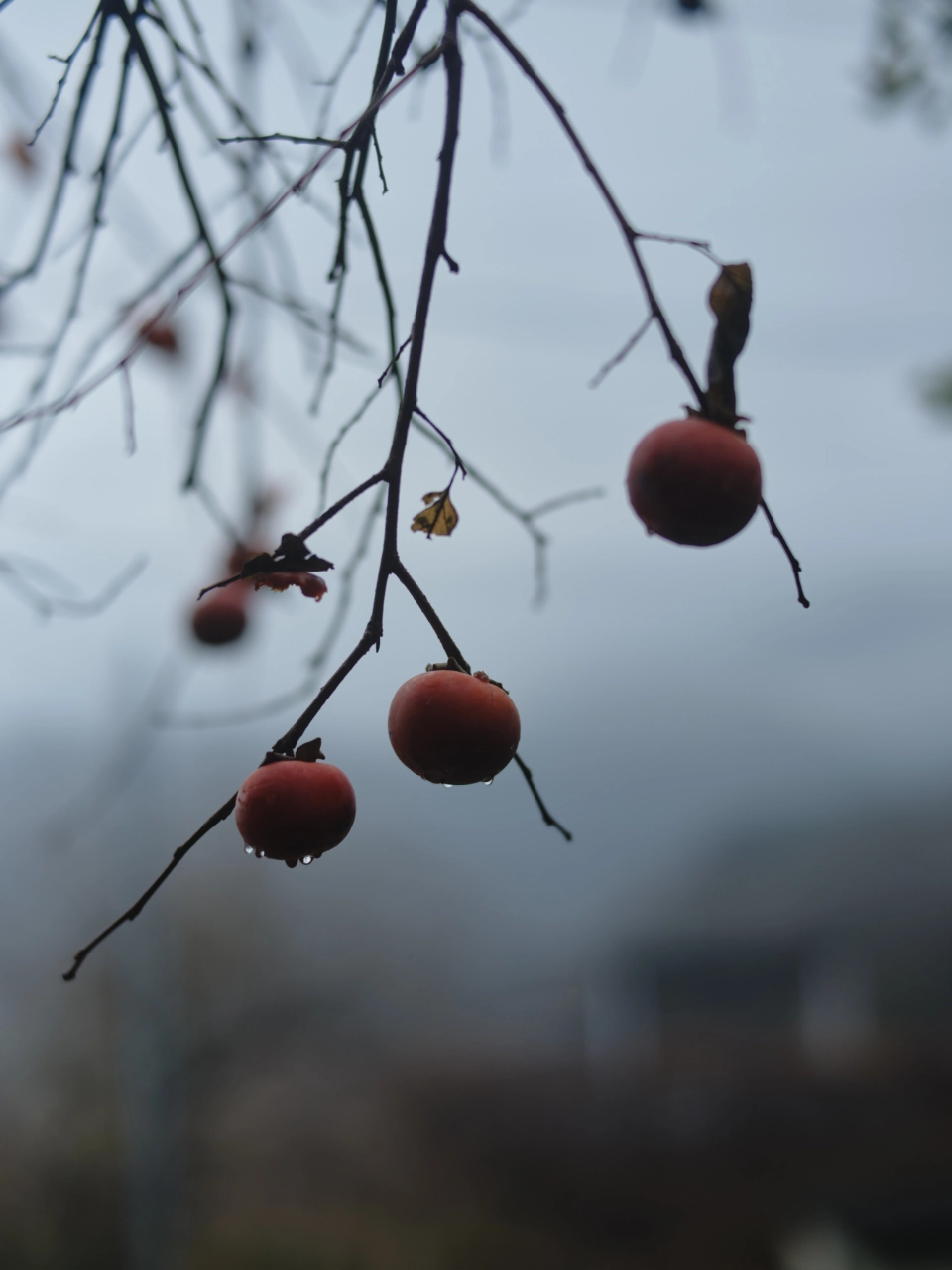
In contemporary life, especially in cities, it’s easy to forget that we are sustained by nature. That we live not apart from it, but within it. This connection has become thinner, more abstract for many of us. But tea — often called a “total art” — offers us a way to re-experience that relationship in a deeply embodied, everyday way.
Through boiling water, through touch, scent, breath, and silence, we reawaken something that was always there. Even something as simple as brewing tea becomes a moment of recognition — of returning — to the rhythms of the natural world.
Tea also brings people together. It creates a shared space where not just words, but presence, warmth, and attention move between people. And when that space is shaped by nature — by wind, steam, soil, and scent — the experience becomes something quietly sacred.
This is why I say “connecting people and nature through tea.” It is not about performance, or technique, but about cultivating gentle reconnection — to the world, to one another, and to something deeper within ourselves.
Feeling Presence
You have shared before that through the tea we find peace, strength, and warmth. How does it help us find each of those?
Among the three — peace, strength, and warmth — I believe warmth may be the most essential, and perhaps the most quietly transformative.
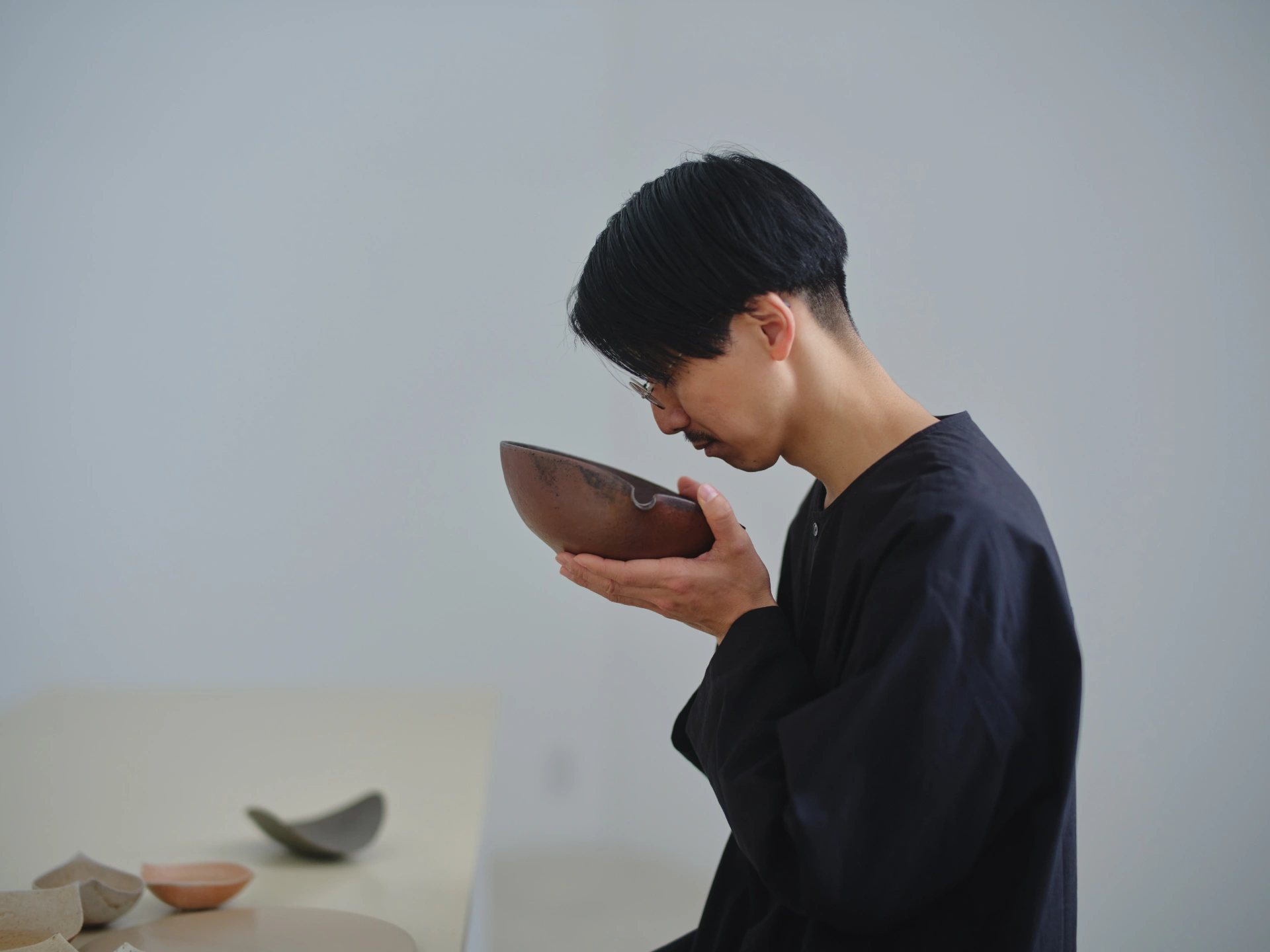
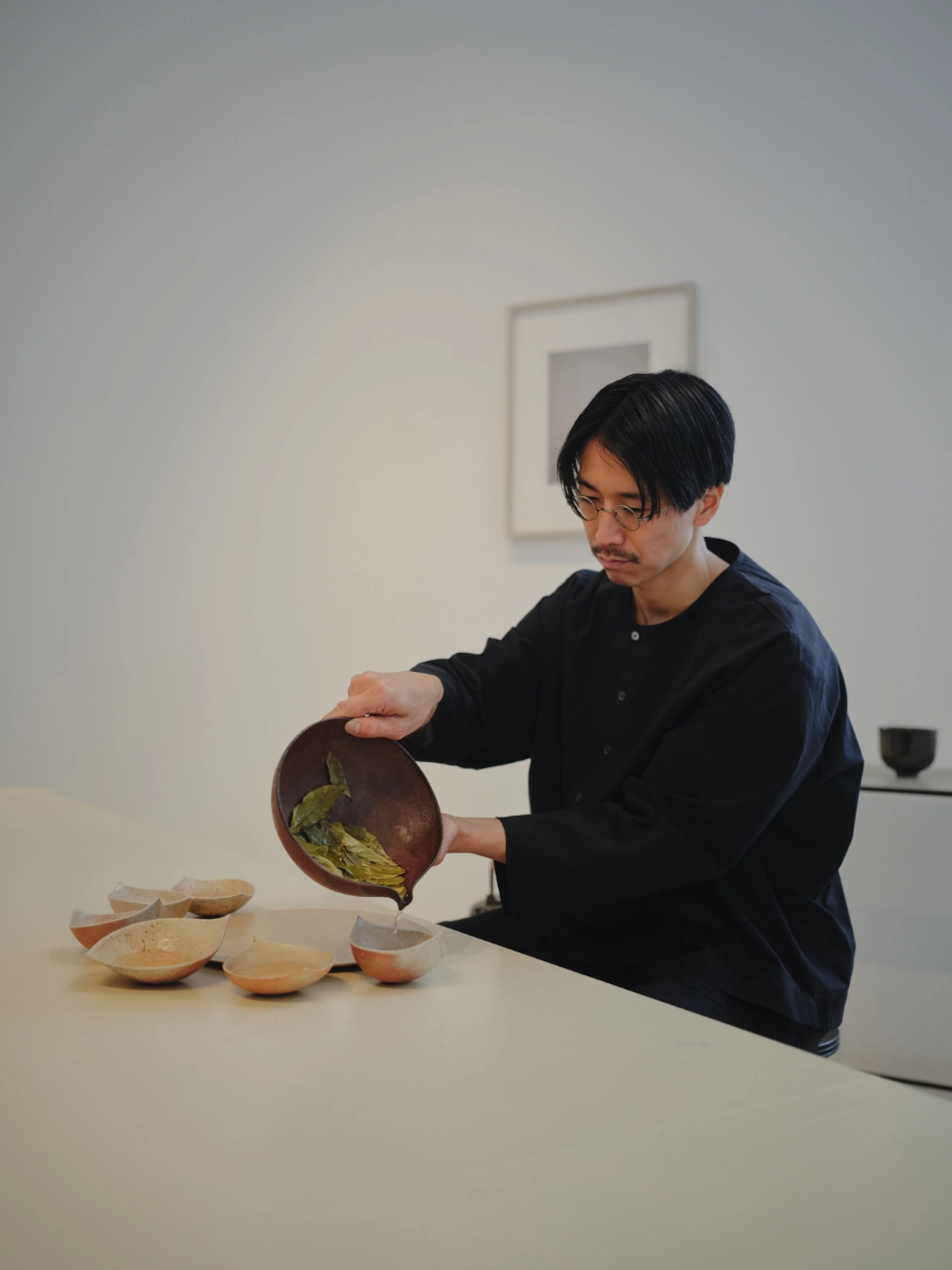
There is something deeply meaningful about holding something warm in the palm of your hand. It could be a bowl of tea, a hot stone, or even a bowl of warm broth. That simple warmth is not only physical — it awakens something more subtle.
When we feel warmth in our hands, we also begin to feel the presence of the one who made it for us. We remember that someone cared enough to prepare it. And beyond that, we may feel gratitude for the ingredients, the land, the water — for nature itself.
In this way, even a single cup of tea can make us feel something rich, quiet, and full. And if more people could experience that — even for a moment — and if those moments increased little by little throughout our lives, I truly believe the world would become a kinder place.
An Invitation to Slow Down Together
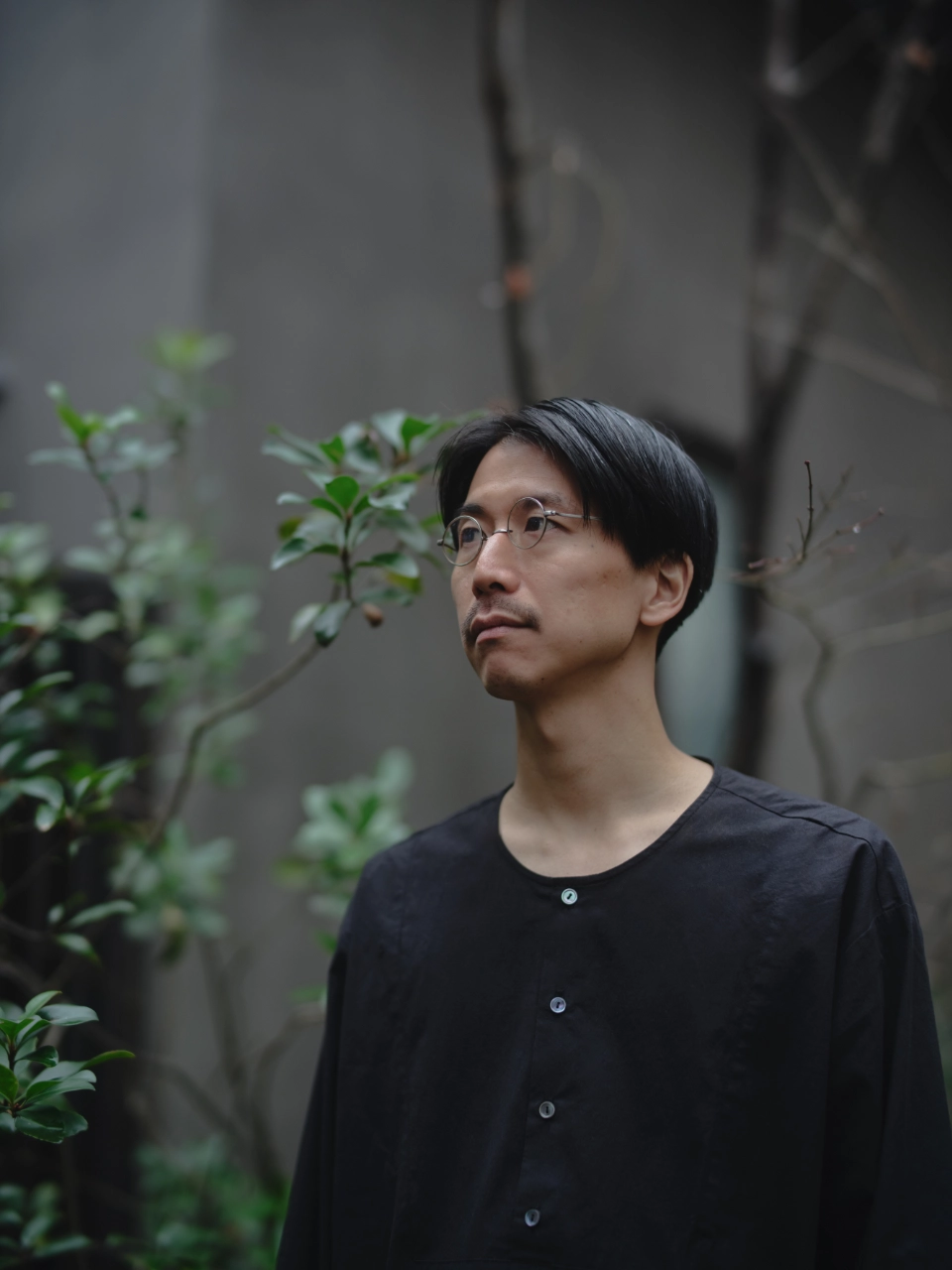
What are you most excited to explore and experience with people inside your two sessions on our upcoming program?
These sessions are an invitation to slow down together, and to notice how intuition and empathy begin to surface through simple acts of attention.
Together with the participants, I would like to create a space where intuition and empathy can arise naturally, simply by paying attention.
For me, cultivating intuition begins with sharpening the senses. The more we open ourselves to sensory experience—sight, sound, touch, smell, taste—the more we learn to trust our own choices and perceptions. It is about learning to listen inwardly and act in alignment with what feels honest and clear. In essence, it is about believing in oneself.
Empathy grows from a similar place. It begins with recognizing and honoring the existence of the “other” — not only other people, but objects, nature, and the many unseen conditions that support us.
It’s the understanding that we are not self-contained—we are supported by, and in relationship with, all that surrounds us. Through humility and gratitude, we become able to soften our stance, to listen, to care, to respect. It is this awareness that fosters deeper connection, and this connection in turn strengthens us.
A Teaching From my Grandmother
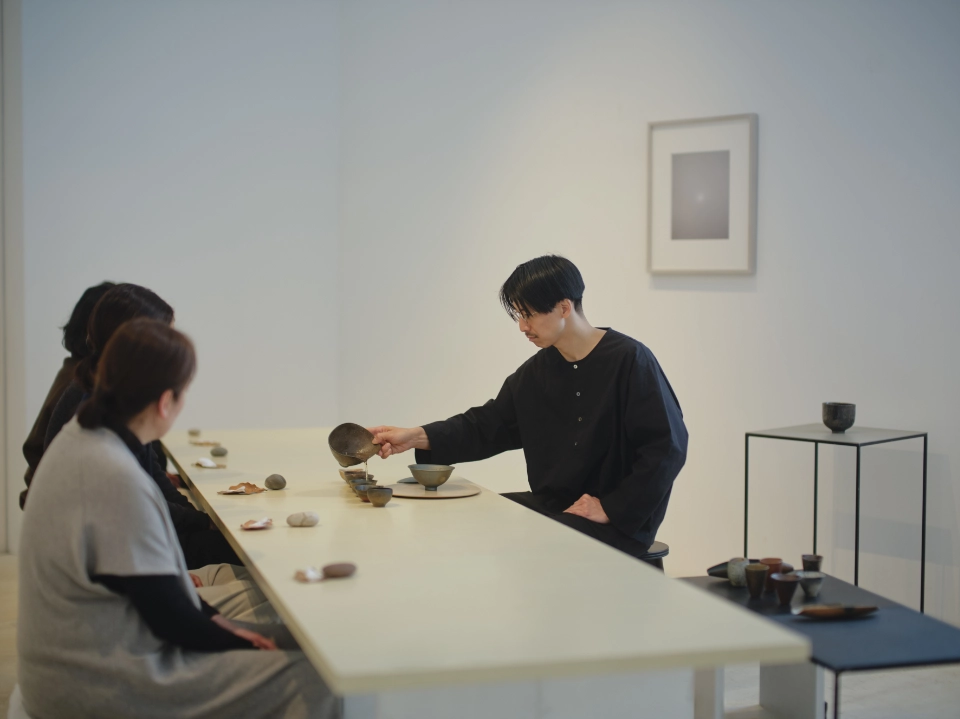
Is there a Japanese expression connected to one of these aspects that you would like to share?
One of the most important teachings I carry with me, is a word my grandmother left behind:
“okagesama”
While often used to express gratitude—“thanks to you”—its deeper meaning comes from Buddhist thought.
The word “kage” refers to something that is hidden from view, something that does not appear on the surface. Adding “sama” conveys reverence and respect.
So, “okagesama” refers to the unseen forces and countless people, objects, and conditions that make our lives possible.
It is a reminder that I am alive today not only because of those I know, but also because of those I will never meet.
We are all sustained by invisible layers of support.
When we truly recognize this, our natural response is gratitude. And from that gratitude, we may begin to give back—to share a kind word, a warm cup of tea, a quiet smile. And maybe, through such small gestures, the world becomes a little softer, a little warmer.