
The Presence of Stillness
You have visited Japan many times and spent time exploring its temples, shrines, tea gardens and houses.
Can you recall your first experience of a tea ceremony in Japan?
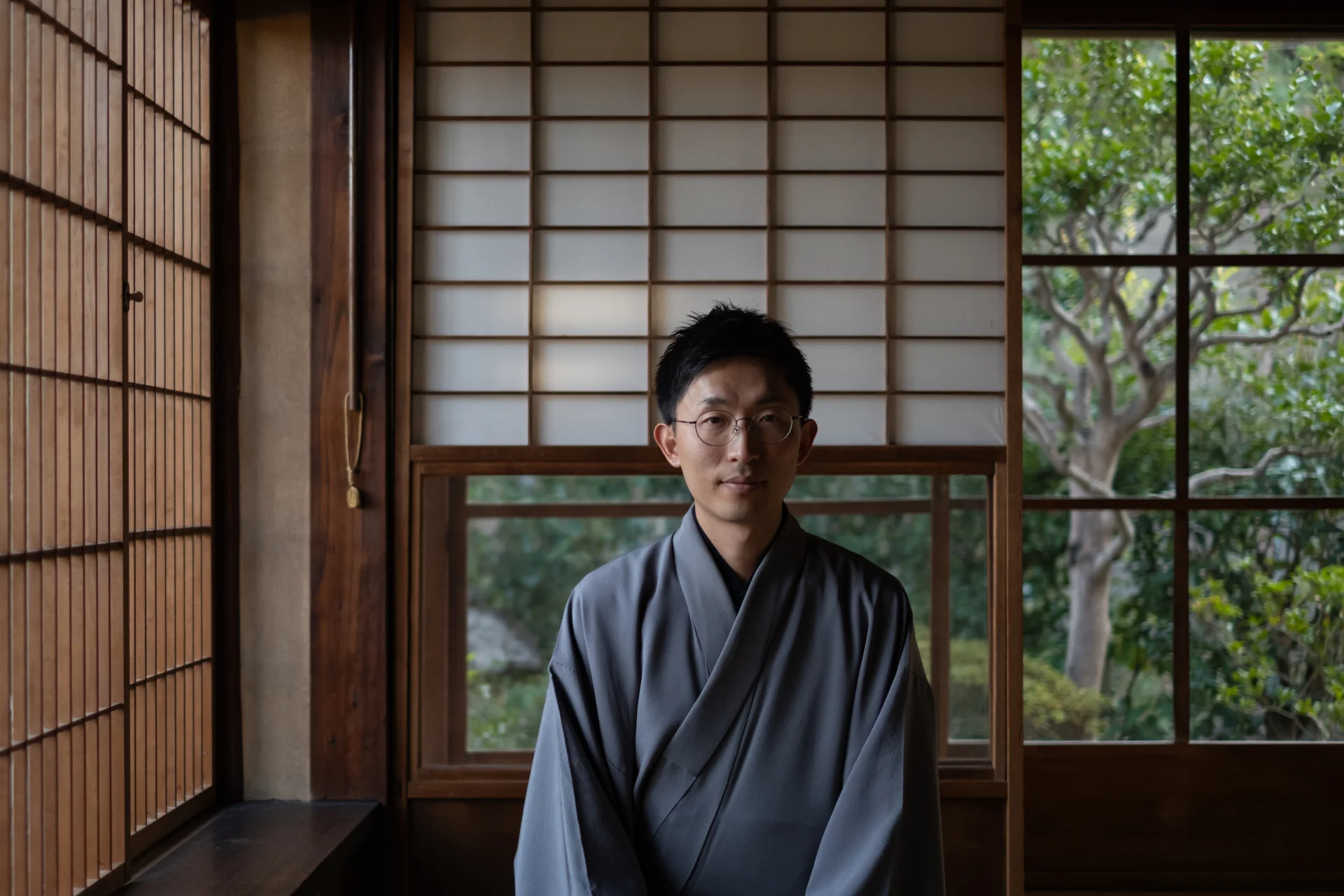
The first time I experienced a tea ceremony in Japan was visiting Dairik Amae in his house on the outskirts of Daitoku-ji in Kyoto, together with a journalist friend of mine when I was in the process of writing the book Stillness on Japanese aesthetics seen from a Scandinavian perspective.
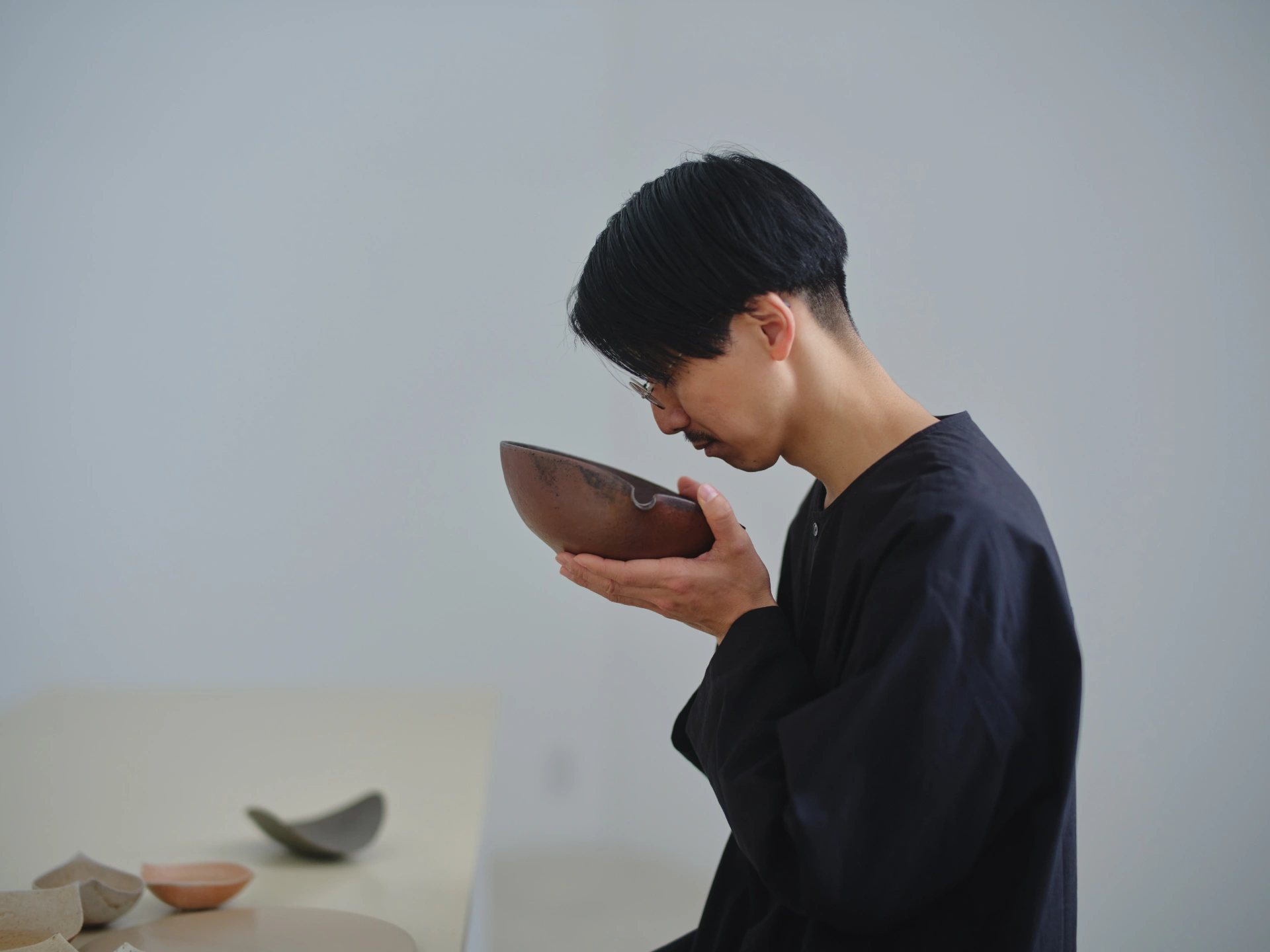
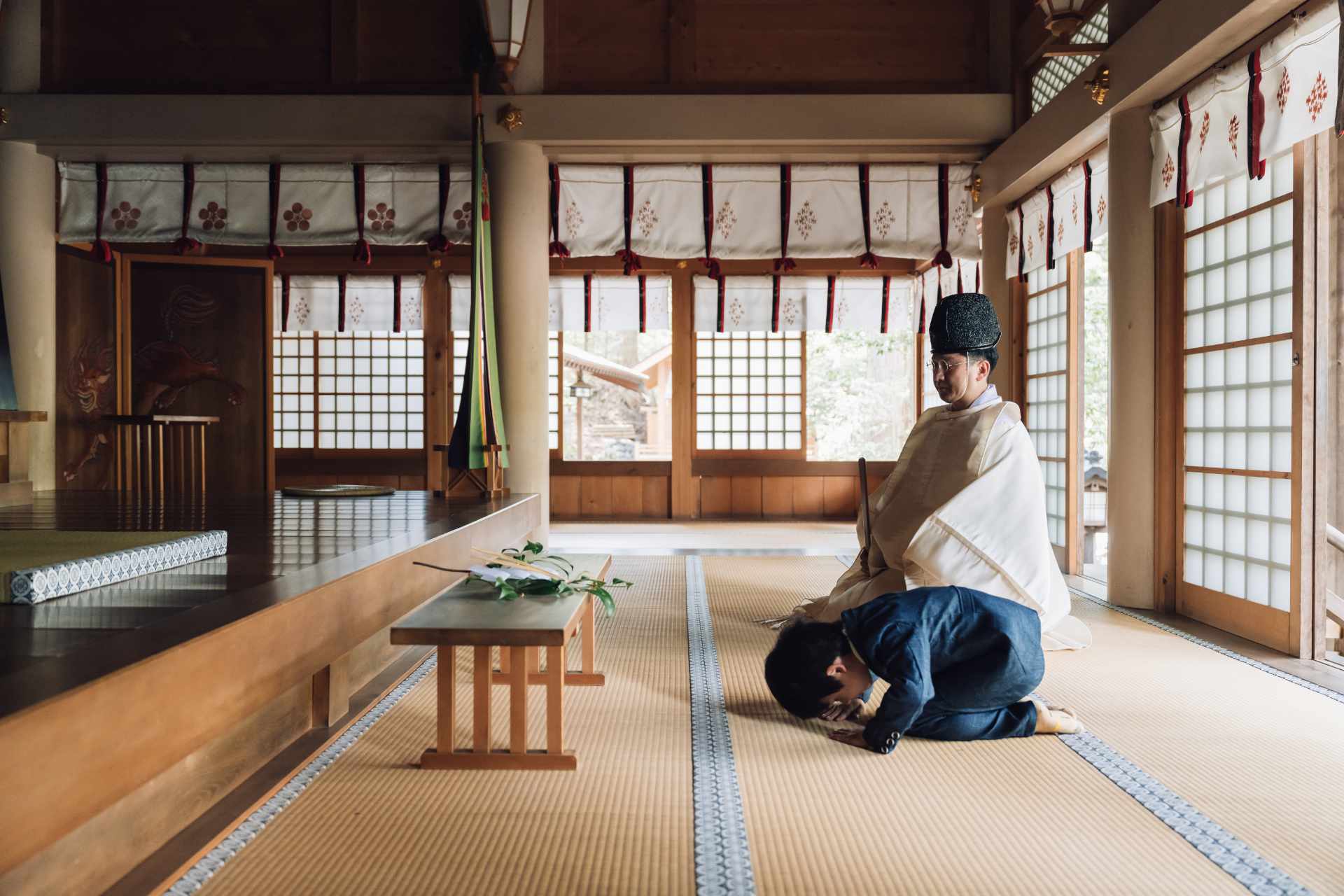
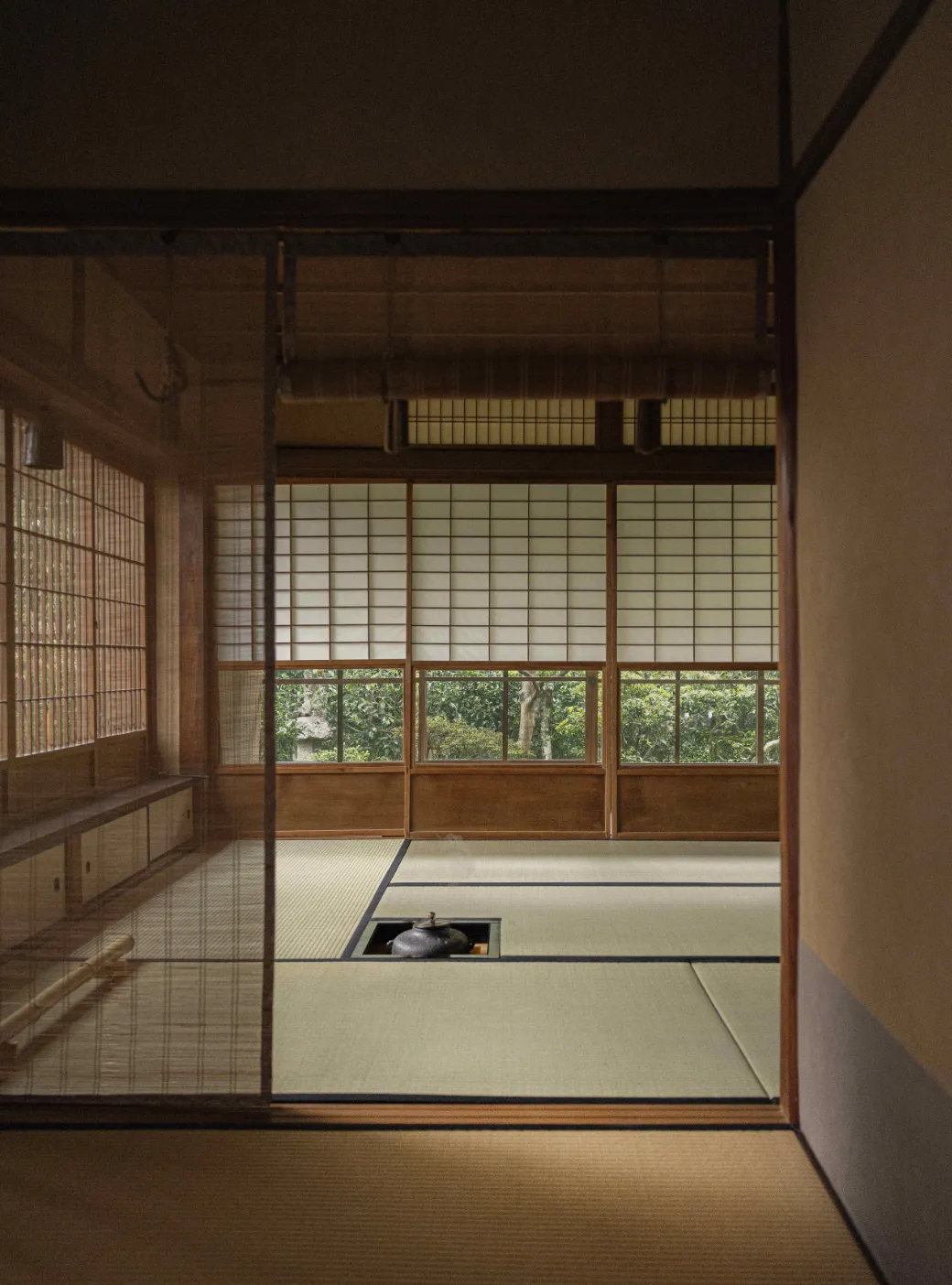
I had previously experienced more modern or contemporary interpretations of the tea ceremony and visited many traditional tea houses with architectural interest, but this was the first time experiencing the ceremony in a more traditional setting and learning about the Way of Tea.
Beforehand, I felt a bit humbled and anxious, having read so much about the rules, layers of meaning, rituals, choreographed movements, and ways of behaving, afraid to mess everything up or overstep boundaries. But from the second we entered Dairik Amae’s house, I felt calm, at ease, and relaxed.
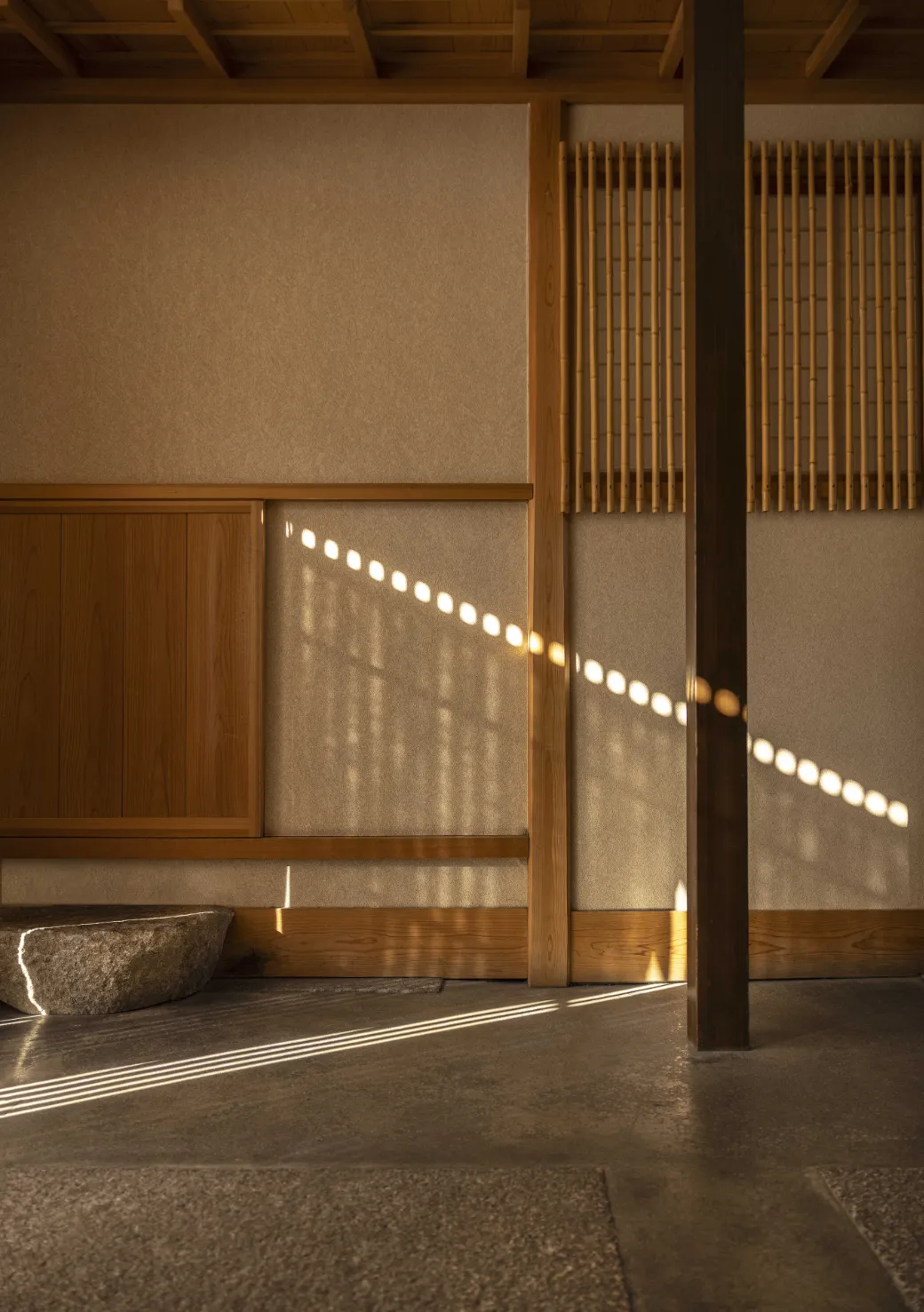
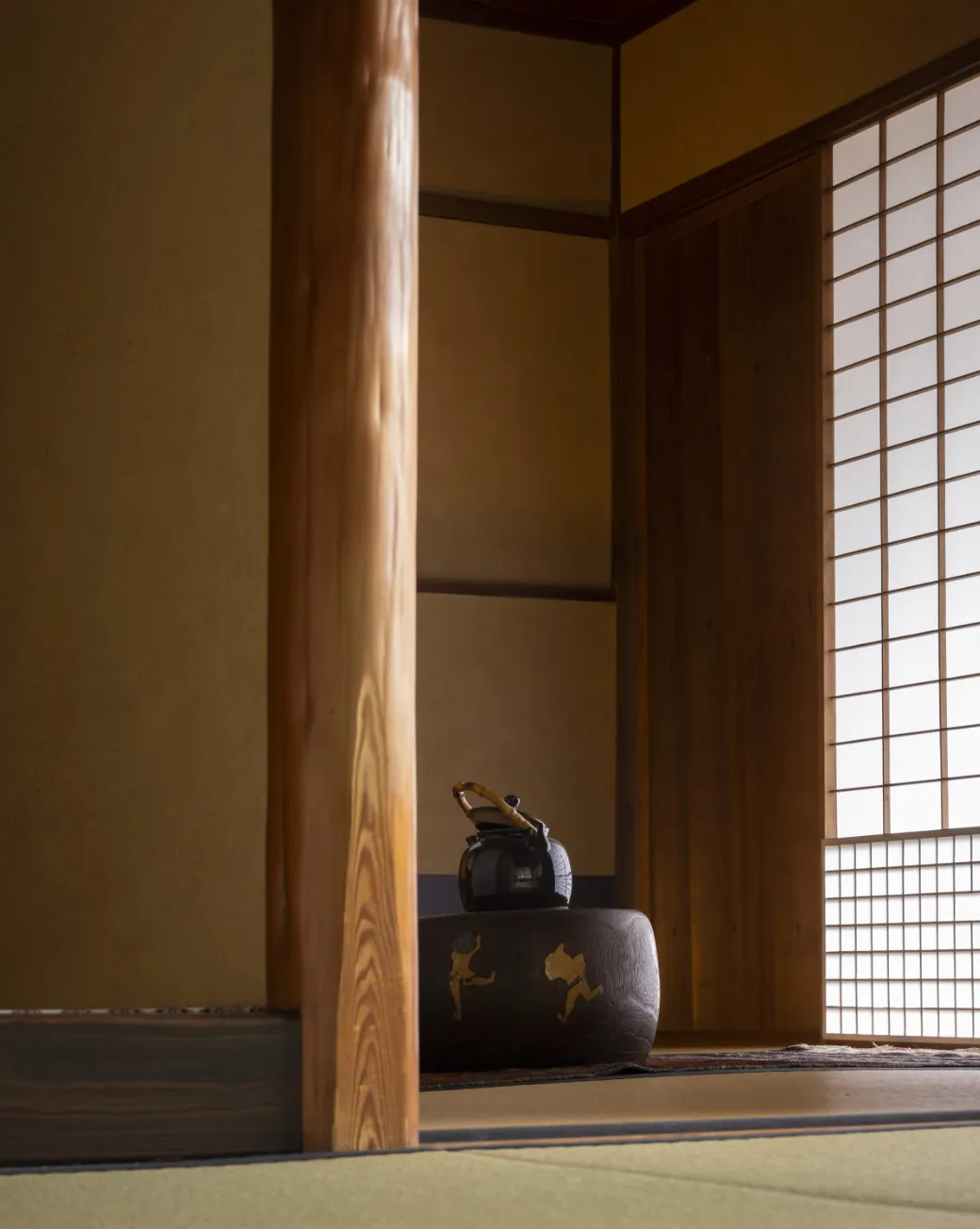
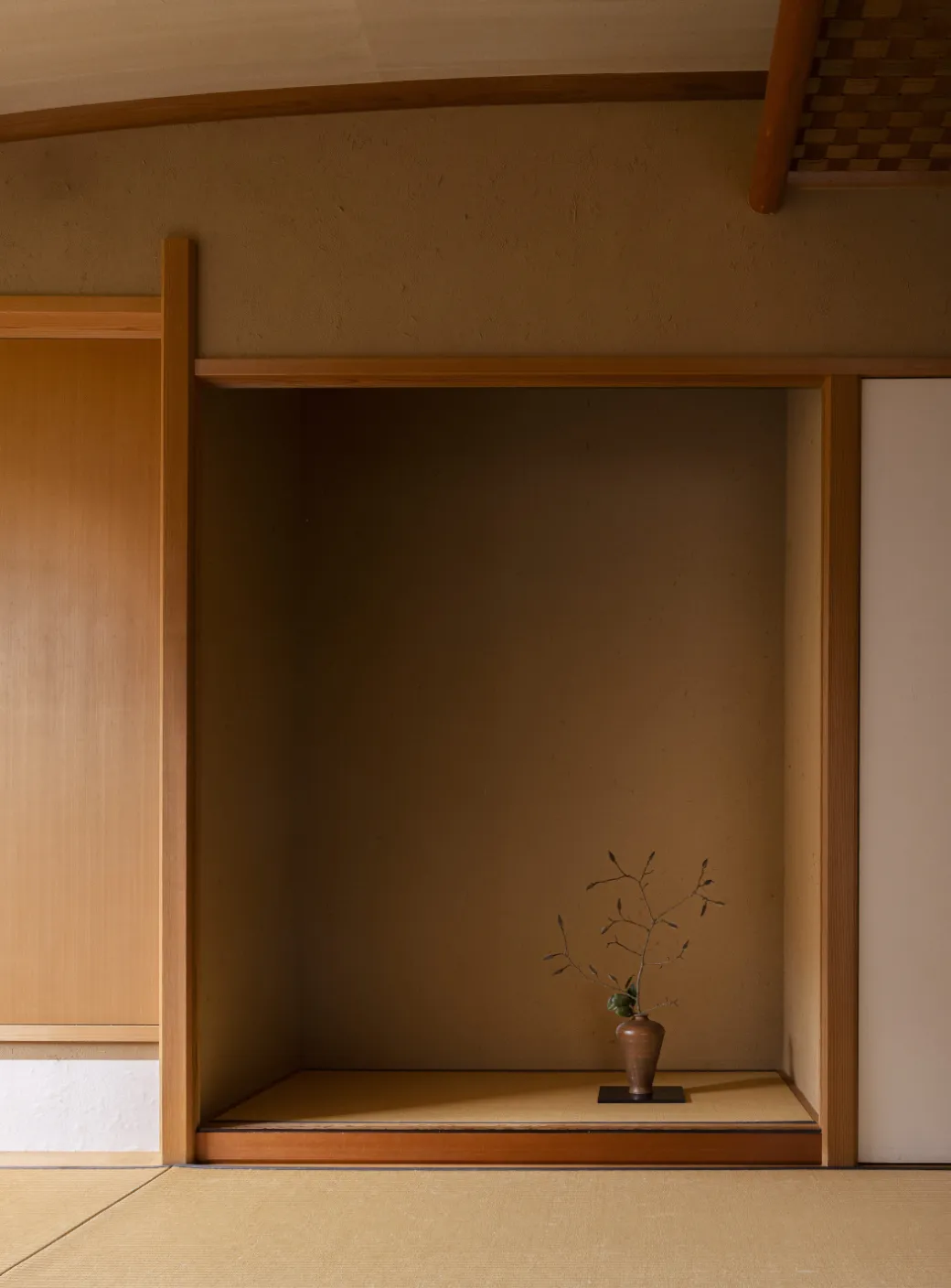
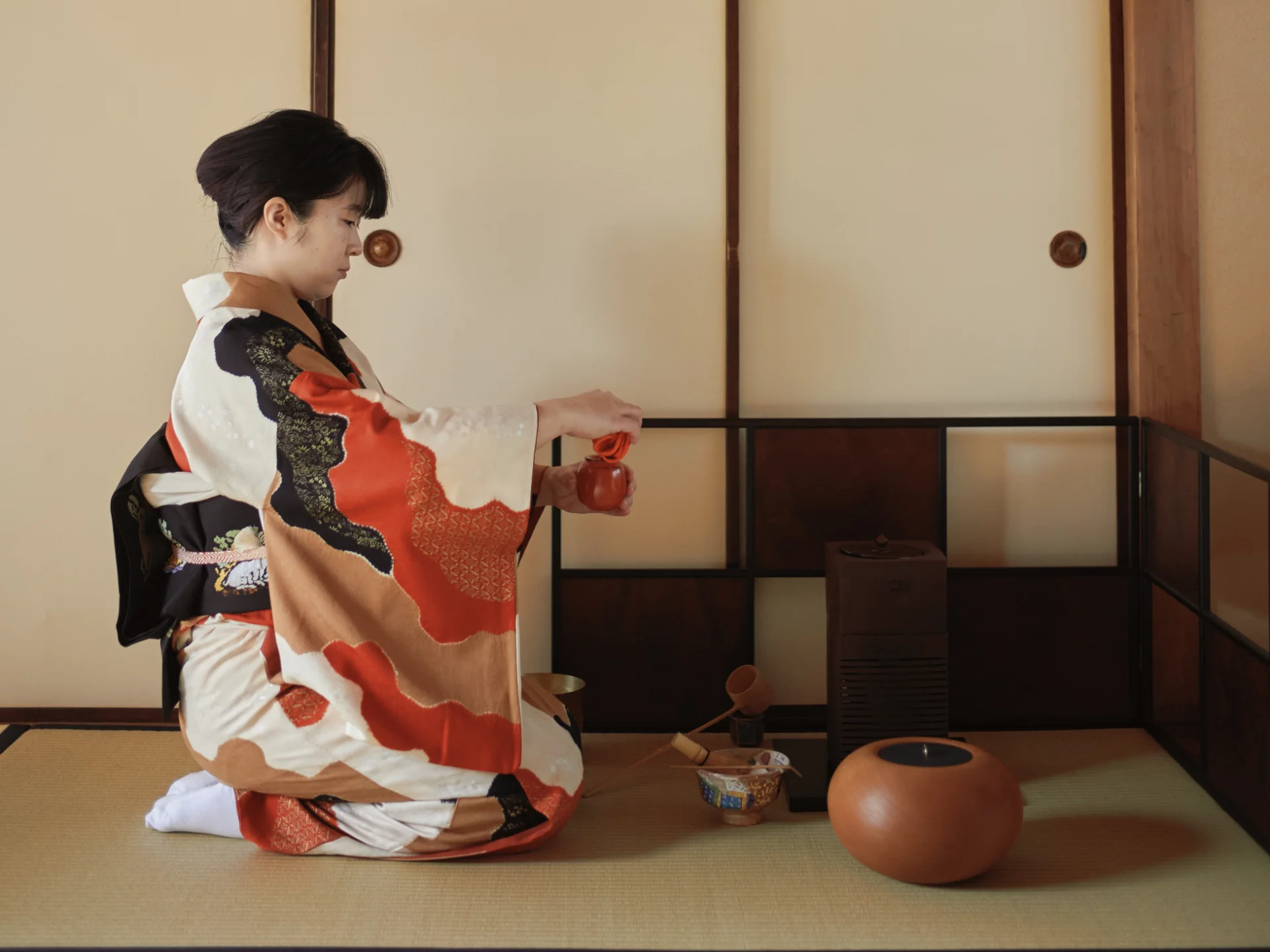
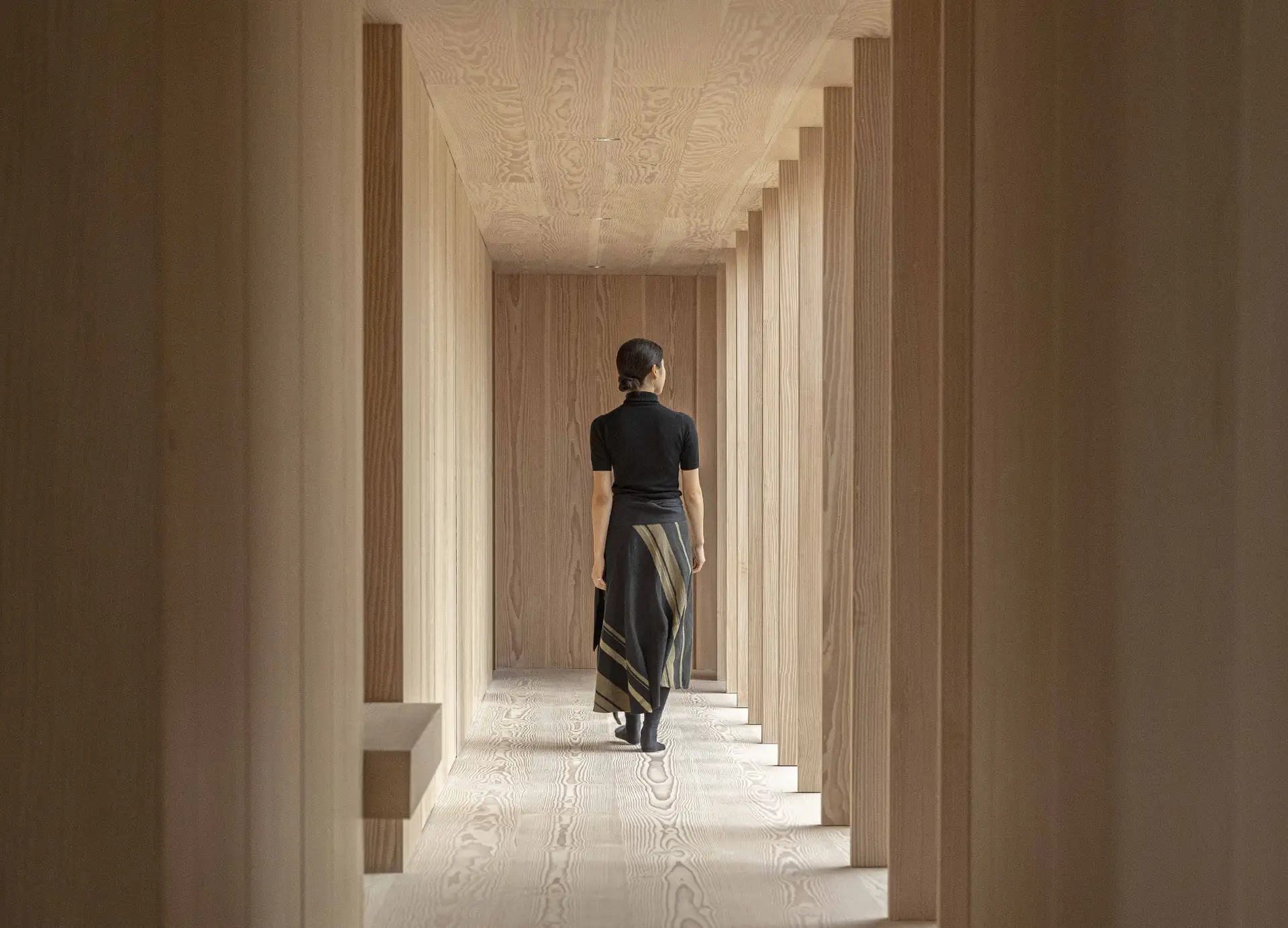
What struck me most was not any single detail, but how everything worked together. The room was modest and restrained, yet deeply intentional. Light entered softly through paper, sound was absorbed rather than reflected, and the pace of the moment felt unhurried and grounded. The presence of stillness, both in the interior and in Dairik himself, made my heart rate drop instantly.
Nothing competed for attention. Objects showed signs of age and use, movements were precise but gentle, and there was a natural rhythm of action and pause, all within a very relaxed, friendly, and open atmosphere. The space felt calm without feeling empty, as if it had been carefully tuned to support presence rather than display.
From a Scandinavian perspective, it felt familiar in its restraint, yet different in how deliberately it allowed time, silence, and nature to shape the experience. As the session progressed, it became less about observing something and more about quietly becoming part of it.
A Deep Attentiveness
How did that experience stay with you afterwards?
What stayed with me was a feeling of humility, calm, and stillness. Nothing felt excessive, yet nothing was lacking. The experience revealed how meaning can emerge when things are reduced to what truly matters, and how quiet moments can be just as powerful as visible gestures. The power of essence.
Long after leaving the tearoom, the experience stayed with me as a quiet reference point. I kept thinking about restraint, not as something limiting, but as something generous – a feeling I often get when visiting traditional Japanese architecture and something I try to embed in my work as an architect.
In what ways does the Way of Tea reflect a deeper sensibility you see across Japanese culture?
I am by no means an expert on Japanese culture, but rather a fascinated visitor filled with curiosity. The Way of Tea is not something I have studied or practiced in depth; my primary interests have been architecture, design, and aesthetics, so it is difficult for me to give a precise answer here.
From a layman’s perspective, however, the tea ceremony seems to reflect a deep cultural attentiveness to nature, to time, and to the acceptance that things are constantly changing. There is a comfort with imperfection and aging that feels somewhat lost in many modern industrialized societies.
What feels particularly Japanese is the ability to hold contrasts together: formality and informality, discipline and softness, simplicity and depth existing side by side. This creates a culture where tradition is respected – not frozen, but continuously adapting.
More than a ritual, the tea ceremony becomes a way of relating to others and to the moment itself, emphasizing presence, care, and respect. Values that seem present in many aspects of Japanese life and Japanese cultural expressions.
Doing Less, But Better
What do you feel it offers that speaks to the world we live in today?
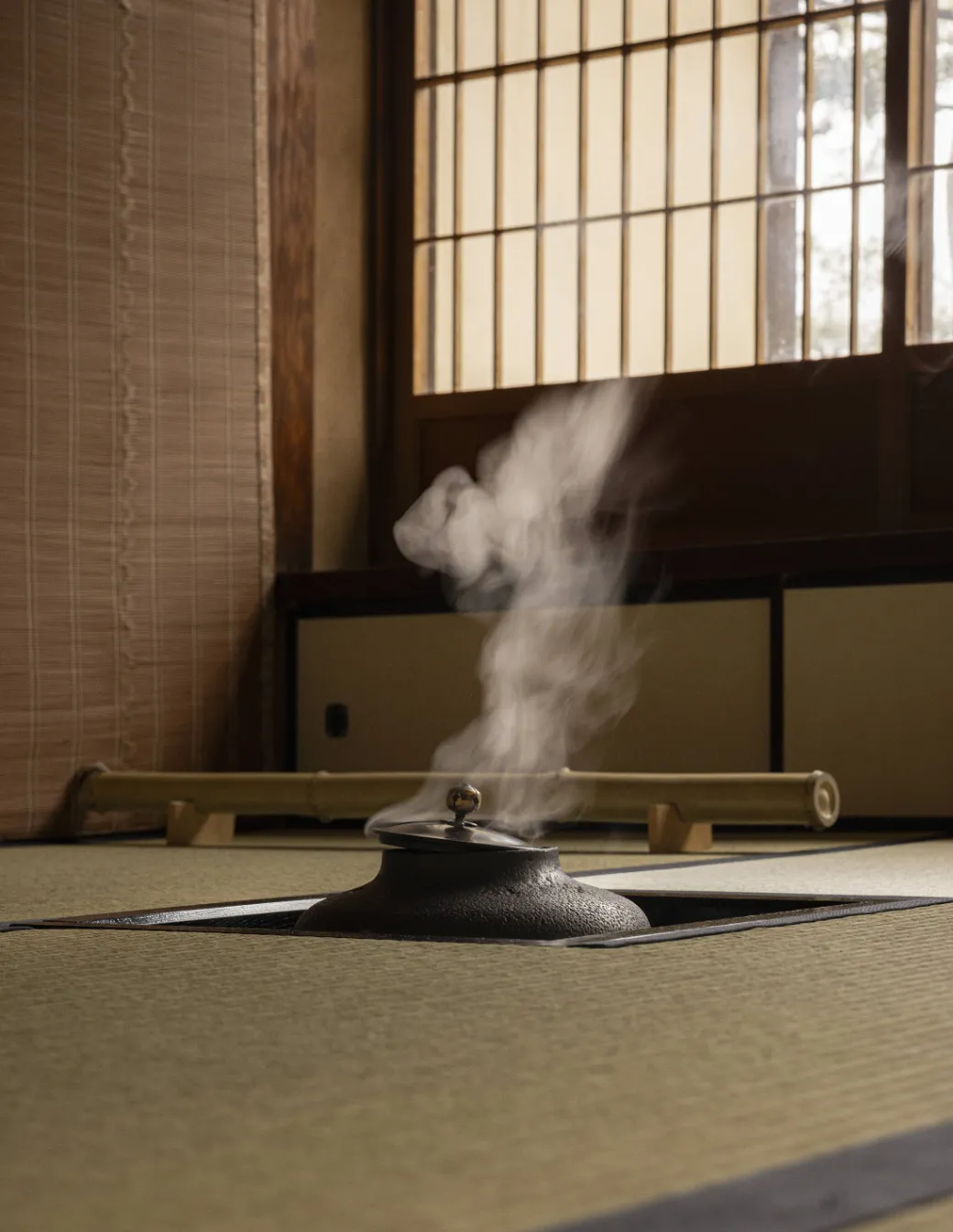
In a world that often values speed, visibility, and constant stimulation, the tea ceremony offers a different rhythm. It reminds us that well-being comes not from doing more, but from paying closer attention. One of my wishes for the new year is to do less, but better.
The Way of Tea encourages depth over breadth, and presence over productivity. In that sense, it feels quietly radical today and is a reminder that slowing down can be an act of care, both for yourself and for others.
Stillness is central in your work.
What does that word mean to you — and how do you see it reflected in Japanese aesthetics?
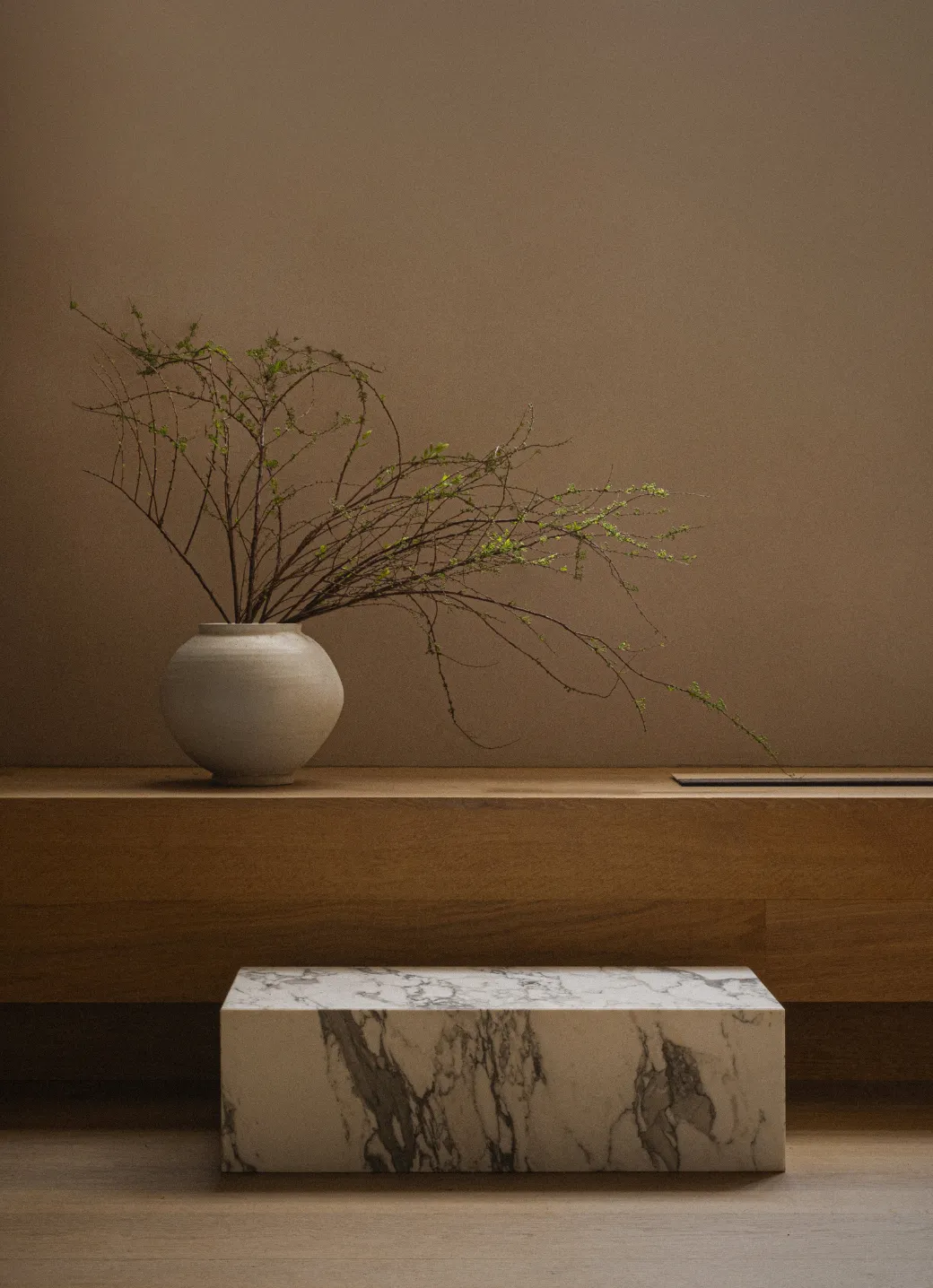
Stillness, to me, is not the absence of movement, objects, or space, but the absence of the unnecessary. Finding stillness is about avoiding the irrelevant and about finding the essence of things. It is a state where things feel resolved and balanced.
In Japanese culture, stillness is often created by leaving room for things to happen, by not filling every surface or defining every room. Man-made structures become a canvas for natural life to unfold.
Shaping Atmosphere
How do you translate that sense of stillness into your work — both as an architect and photographer?
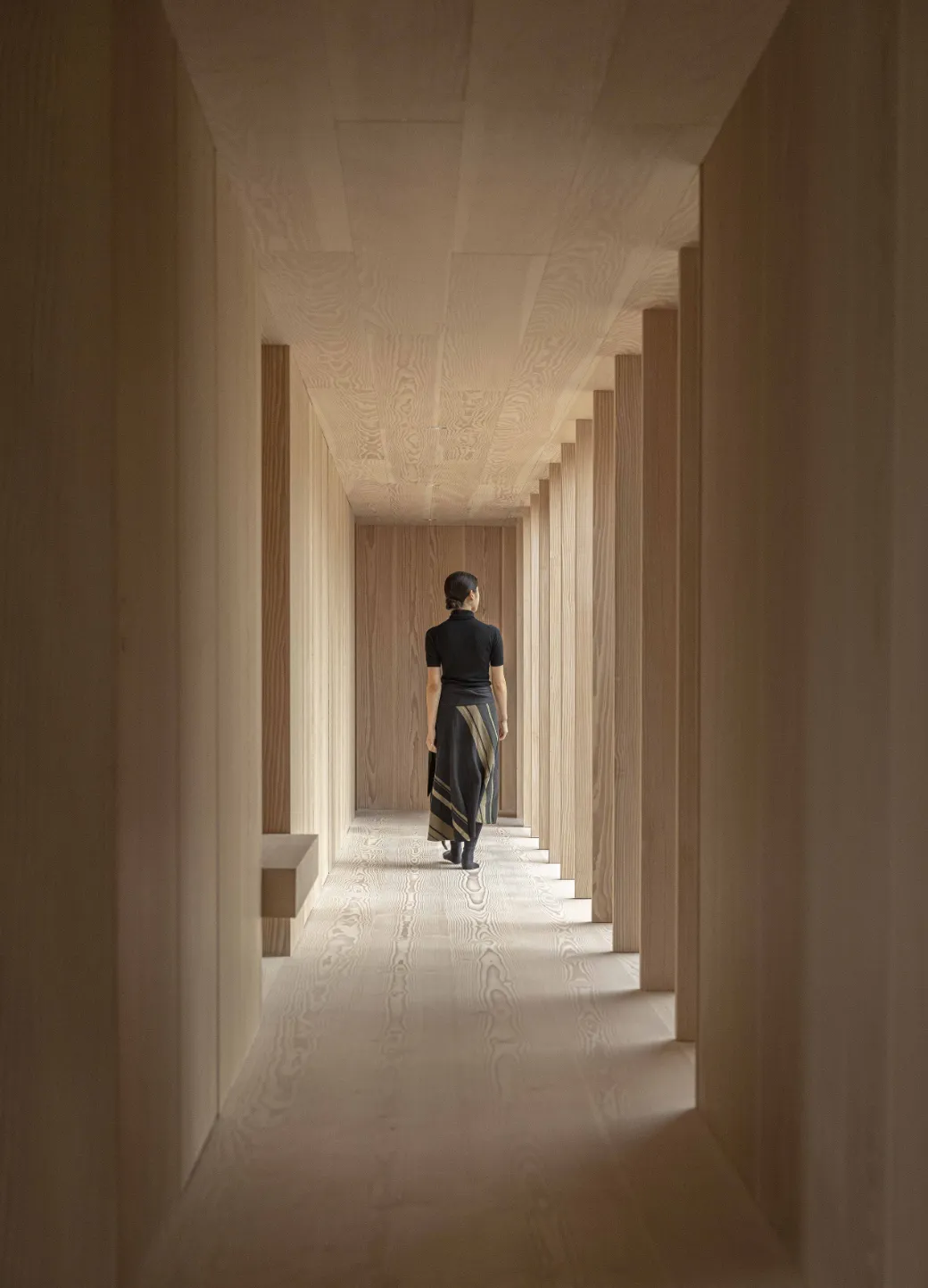
As an architect, stillness is expressed through clarity and balance.
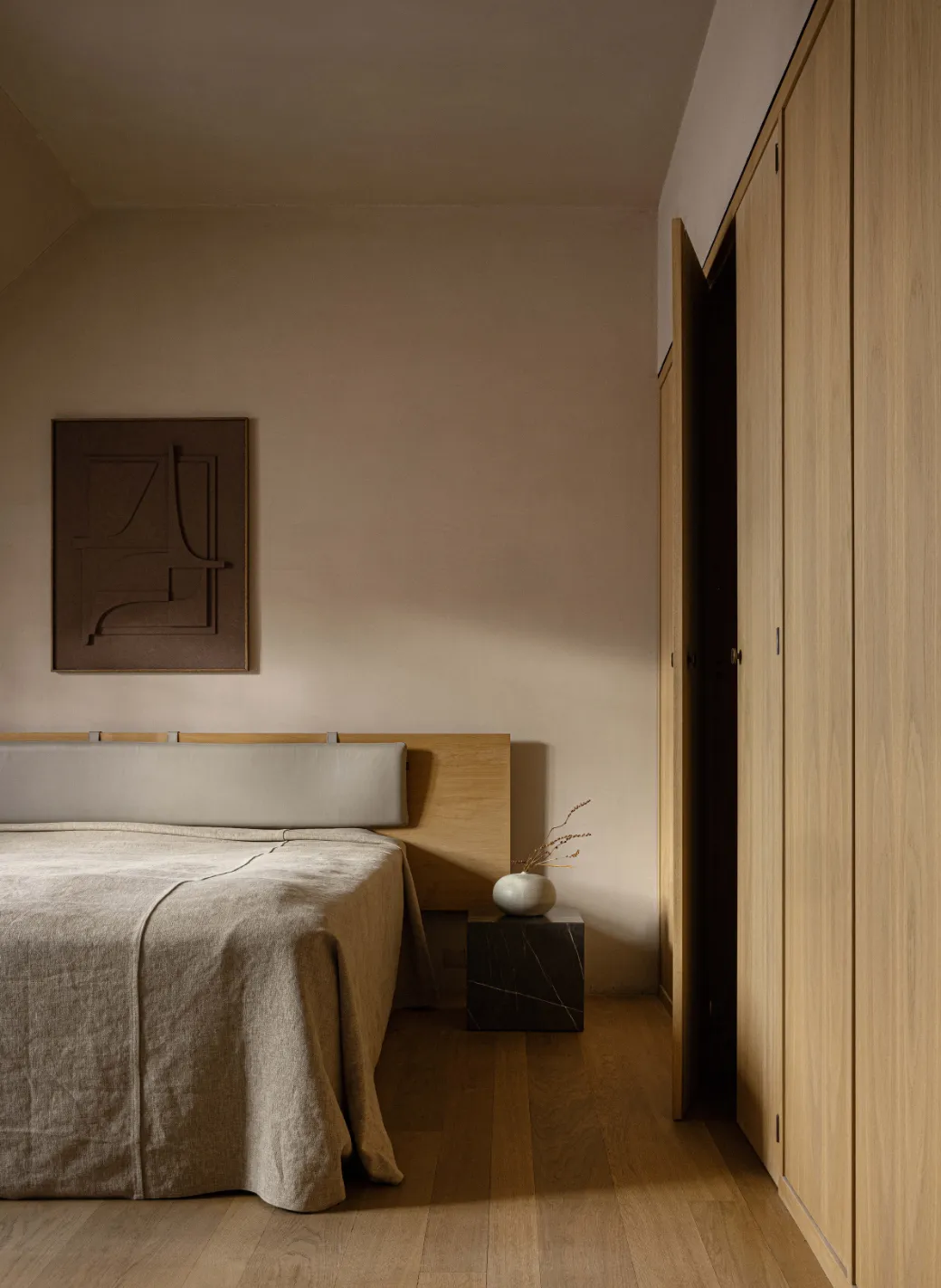
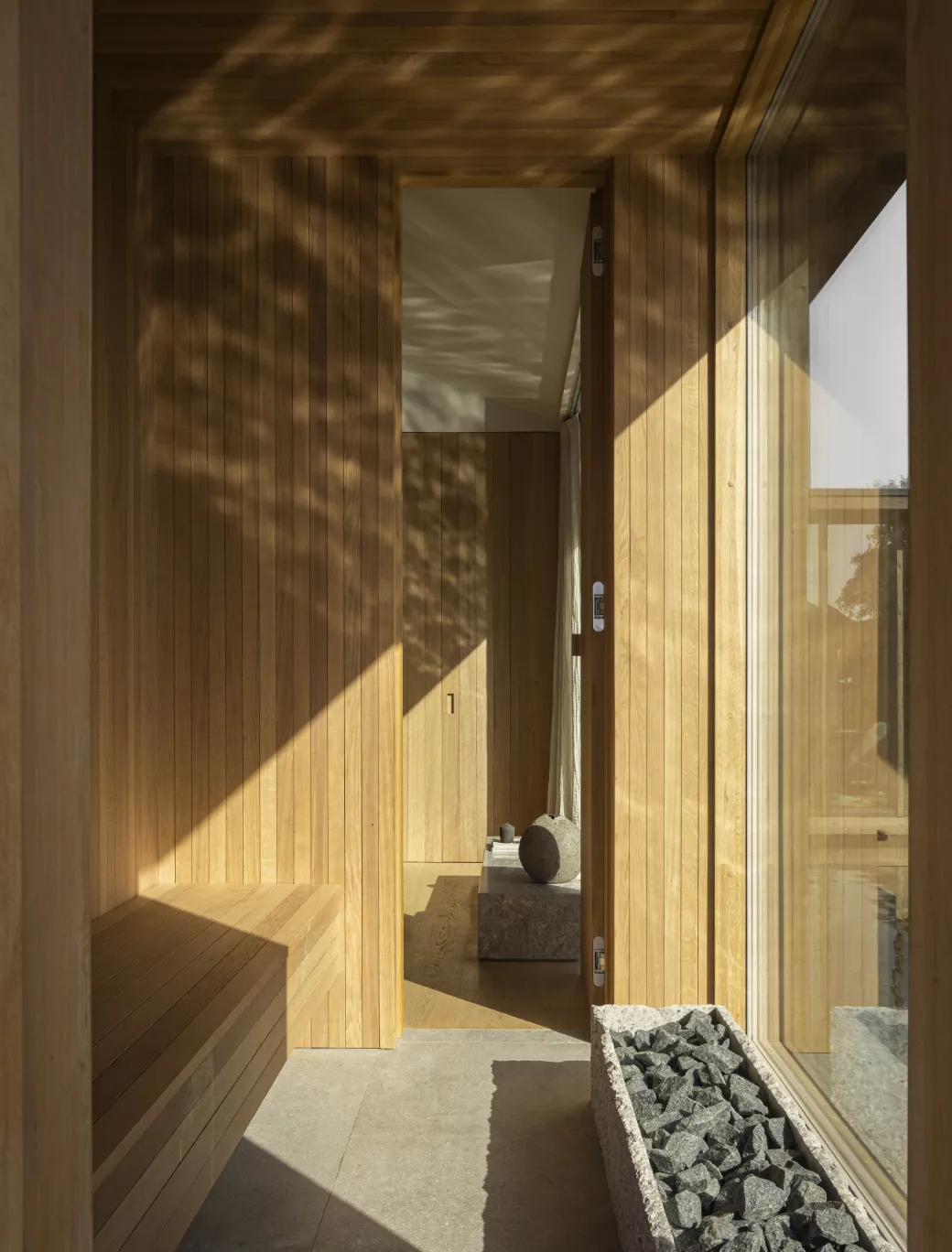
Through proportion, the use of honest materials, and the creation of spaces that allow light, time, and materials to shape an atmosphere. I often try to avoid overdefining spaces, instead leaving room for different uses and interpretations.
As a photographer, stillness comes from searching for essence and balance, trying to capture a certain atmosphere or emotion through the lens of the camera—which is, of course, impossible.
Why do you think stillness resonates so strongly with people today?
I think many people feel overstimulated and disconnected from nature, from time, and from themselves.
Stillness offers a sense of refuge, but also mental restoration. It creates space to breathe properly, to reflect, and to reconnect with the most fundamental and important things in our lives. In that sense, stillness is not an escape, but a way of returning.
Designing for Well-Being
What brings you a deep sense of well-being and connection to stillness in your own life?
Nature is essential to us. We are part of it, even though we have intellectually tried to remove ourselves from it for millennia. It is often in nature that we find stillness, if only for a moment.
Walking. Thinking. Observing light. Being near water. Time spent without a fixed agenda. Being present without digital disturbance. Having meaningful conversations. Losing track of time. Feeling your body. These moments recalibrate attention and help restore a sense of balance.
You’ve shared before that good design goes beyond aesthetics — that it can foster well-being and connection to self, others, and nature.
Can you say more about that?
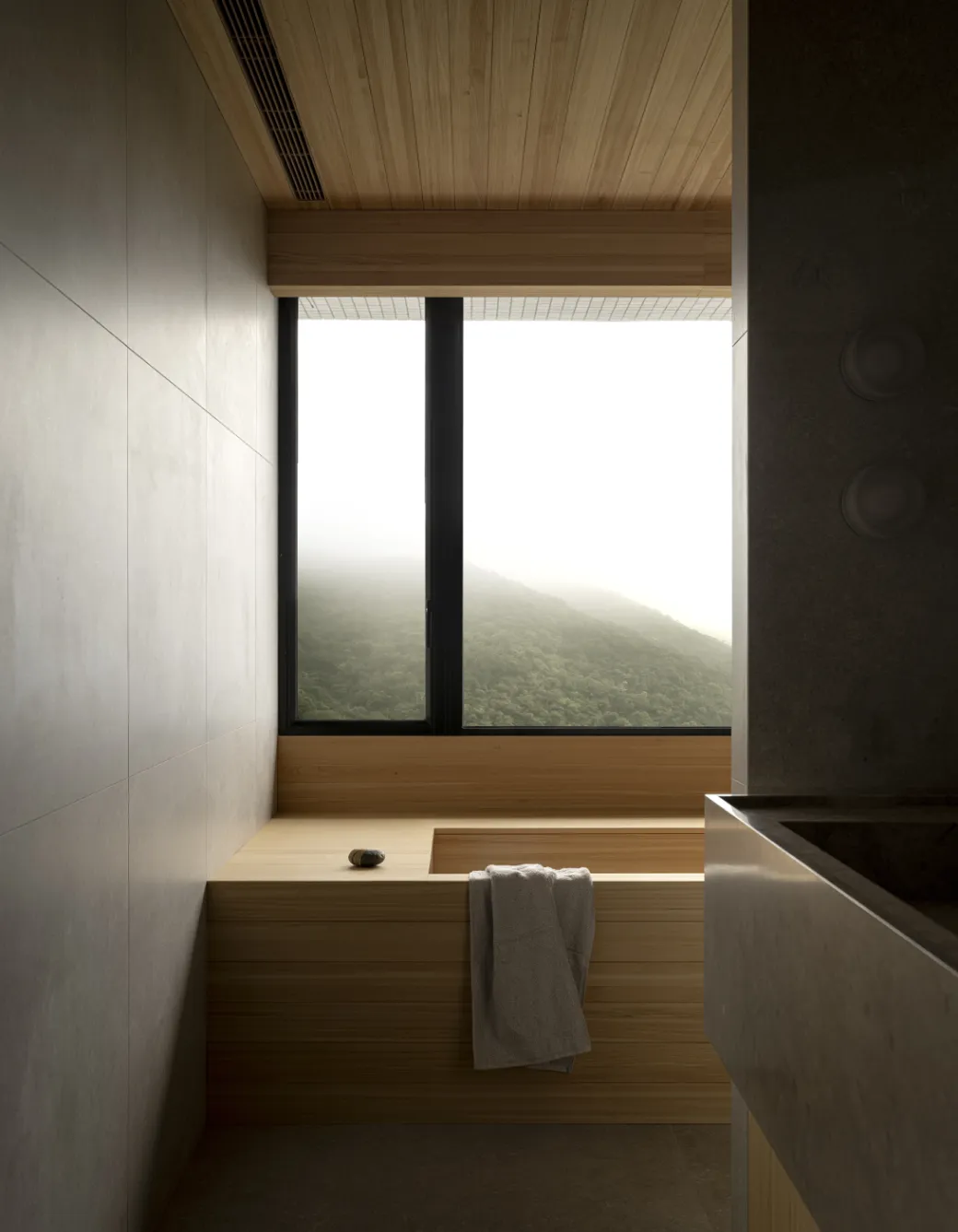
Good design supports how we feel, not just how things look. When spaces are calm, intuitive, and sensory, they encourage people to slow down and be present. Through mindful design, we can influence the atmosphere of a place and how it engages all our senses on a subconscious level. In that way, design becomes a framework for well-being.
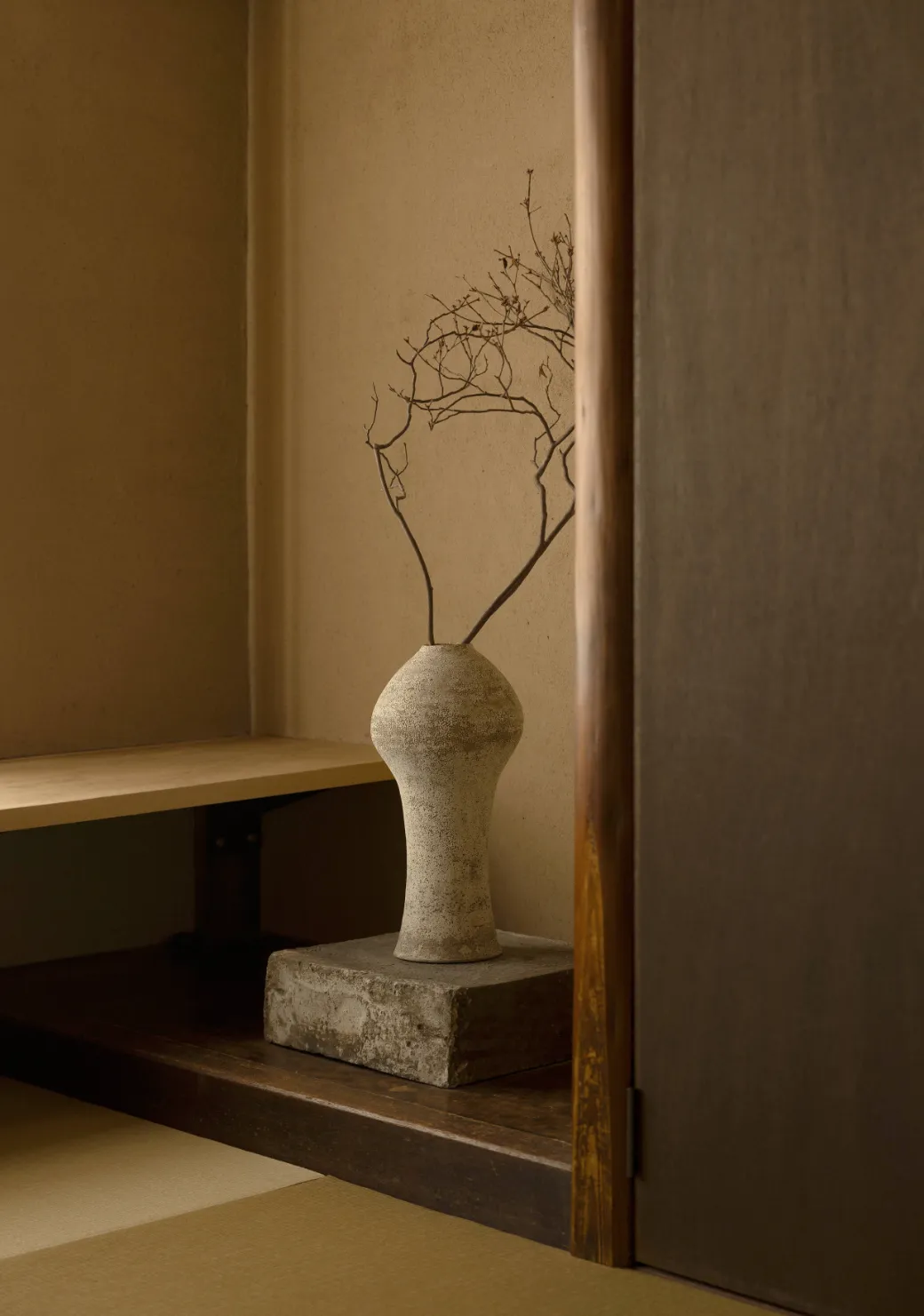
Japanese & Scandinavian Aesthetics
There’s a strong resonance between Japanese and Scandinavian aesthetics.
How would you describe that shared ground — and what do you feel they can learn from their differences?
Both cultures share a deep respect for nature, craftsmanship, and restraint. There is an appreciation for simplicity, for materials that age well, and for spaces that feel honest and grounded.
Architecturally, however, they differ quite a lot, which is why visiting Japan creates this strange feeling of being both at home and in a very exotic place at the same time. Scandinavian design often emphasizes comfort and warmth, while Japanese aesthetics lean more openly into emptiness and impermanence.
Together, they show that simplicity is not about absence, but about care and that stillness is a deeply human need across cultures.