Finding Yourself
How has the practice of tea changed you?
I’m not sure it has changed me.
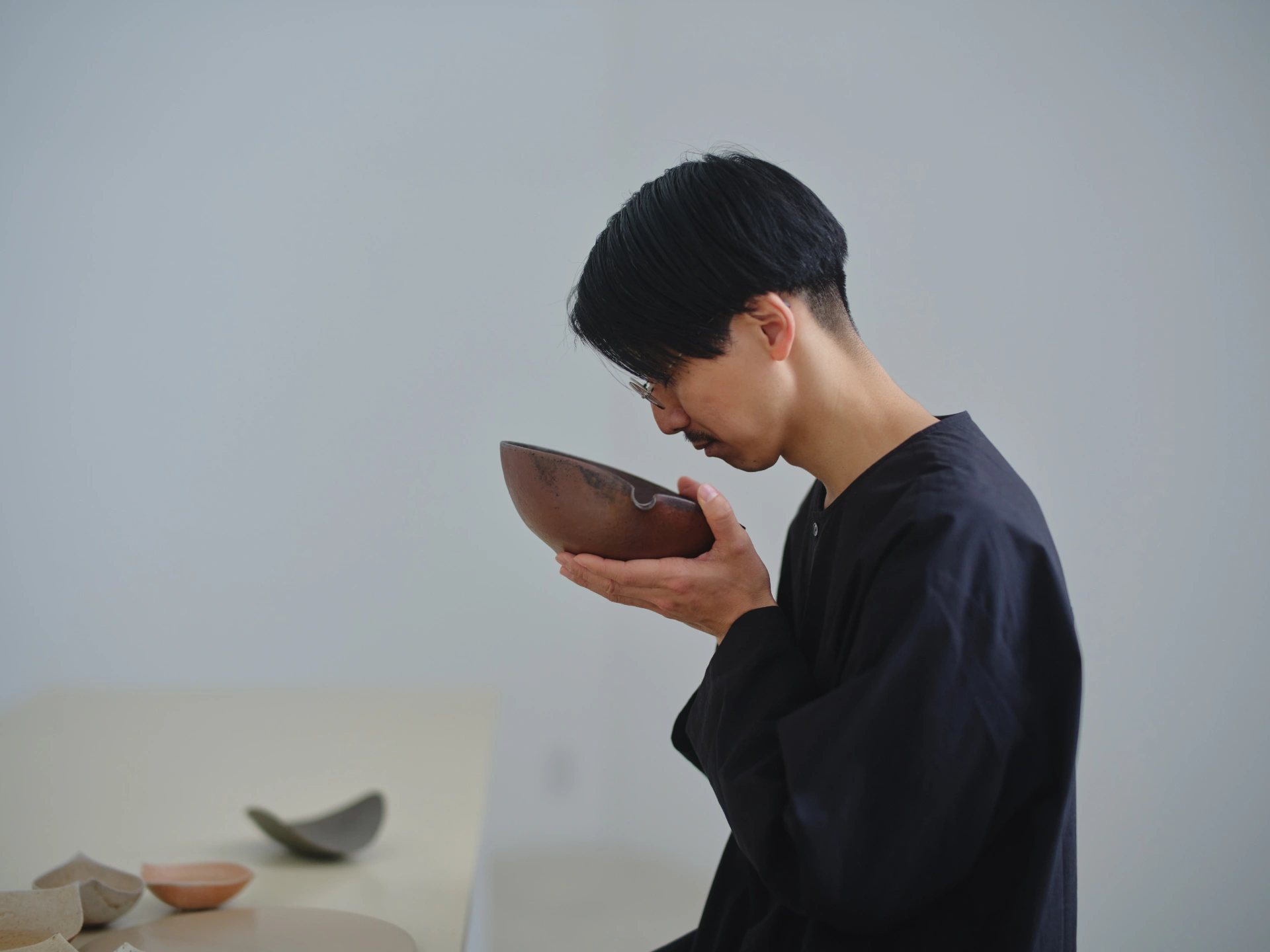
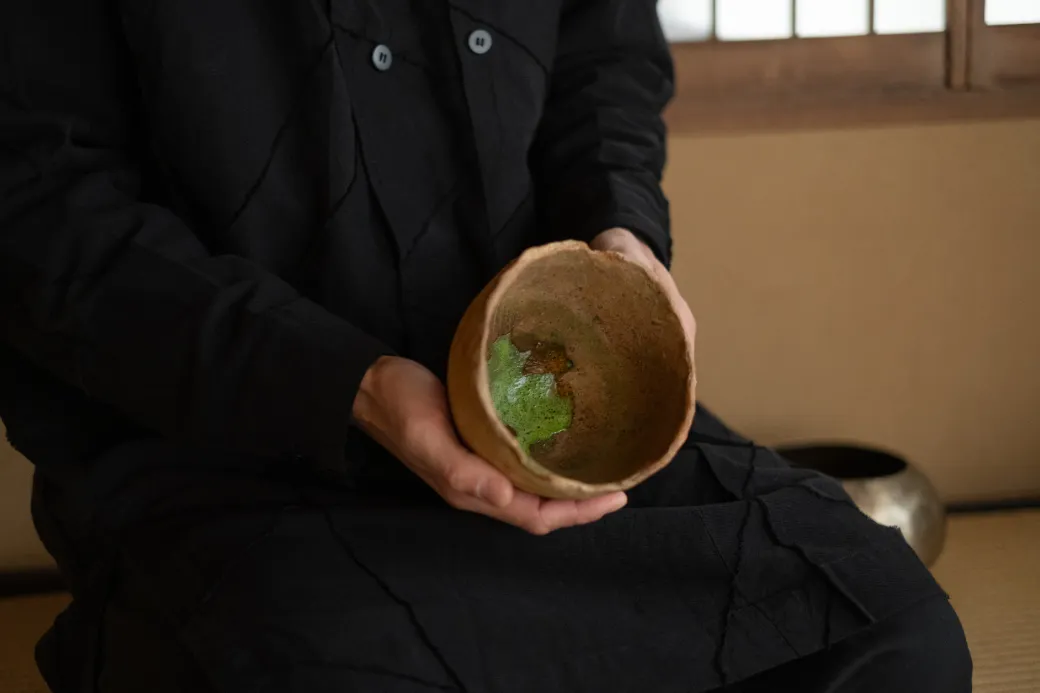
One day I was looking at a teabowl after drinking from it — turning it around, touching the clay, noticing the shape. And suddenly I had this flash of memory from childhood.
I used to catch beetles. I’d turn them over in my hands, examine their legs, the symmetry, the tiny hairs, the curve of their shells. I realized — this is the same gesture. The same gaze. The same curiosity.
So maybe I haven’t changed so much. I’m still me.
What you find in tea, I think, depends on who you are. For me, the underside of a teabowl and the belly of a beetle are connected. That’s just my experience. But I think everyone has their own version of that.
Tea doesn’t change you — it shows you.
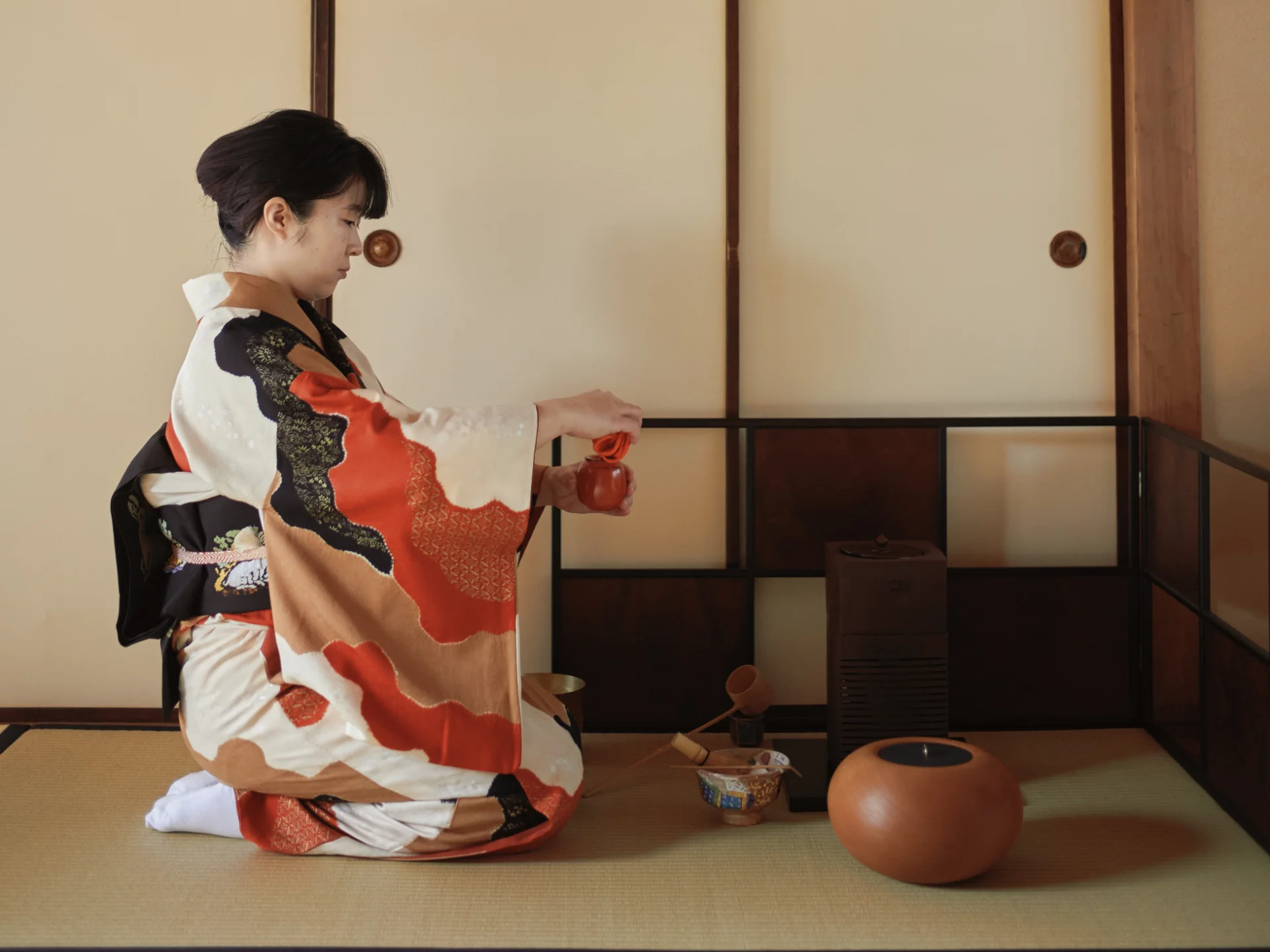
You light the charcoal, boil the water, clean the room, prepare the tea. The steps are the same for everyone. But what you see in the process — that’s yours.
Tea doesn’t give you answers. It just says, “Do this. Now do this.” No interpretation. Just presence.
And in that presence, you begin to find yourself.
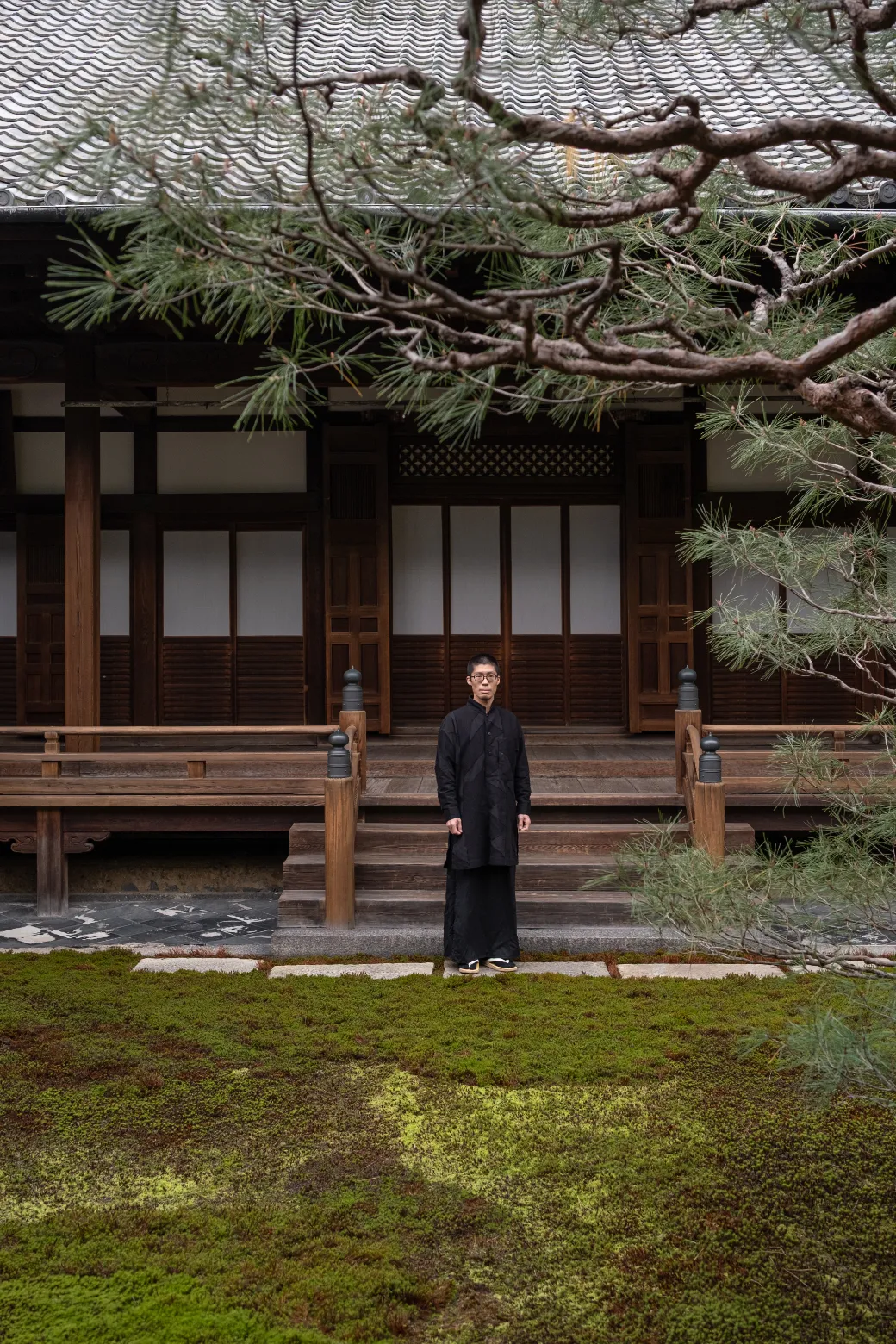
A Life Before Tea
Could you share a little about your early life, and how your path unfolded before tea became central?
I really loved insects. I wanted to be an entomologist — the kind of person who studies insects. I was always outside with a net, catching bugs, drawing them, taking photos, feeding them. That kind of curiosity — observing closely, touching, looking carefully — really defined my childhood.
Most of the places I lived growing up were what we call “bed towns” — suburbs where people commute into Tokyo for work. So places like Chiba, Kanagawa, and Saitama. But even in those areas, there are still some small patches of nature — little forests, farmland, open spaces. It wasn’t deep countryside, but enough to fuel my curiosity.
Looking back, I feel that same curiosity is still with me now.
Later, I went to Ritsumeikan University in Kansai and majored in robotics. That might sound surprising, but it connects to my childhood. I loved insects, and I also loved making things with my hands — crafts with cardboard, scissors, tape, glue guns. I was always building things. Robotics felt like a way to combine creativity and technology.
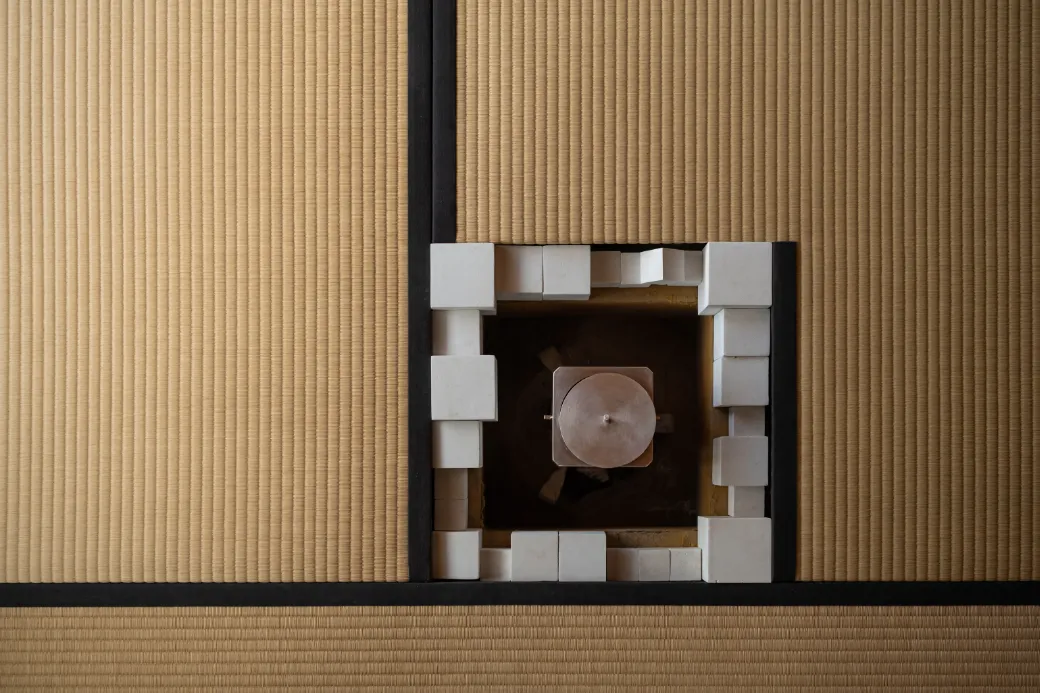
I Couldn’t Move
When did your path begin to shift towards tea?
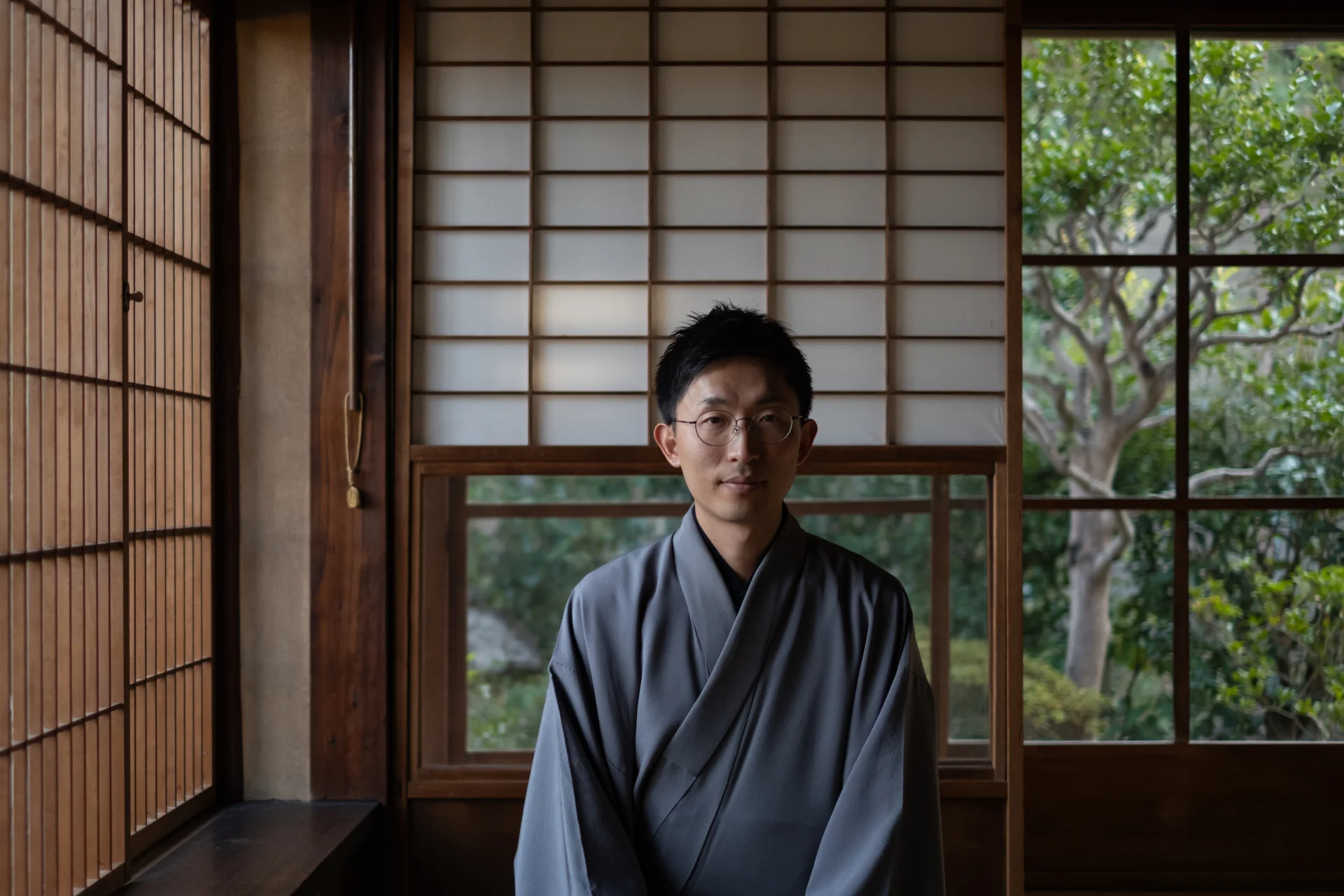
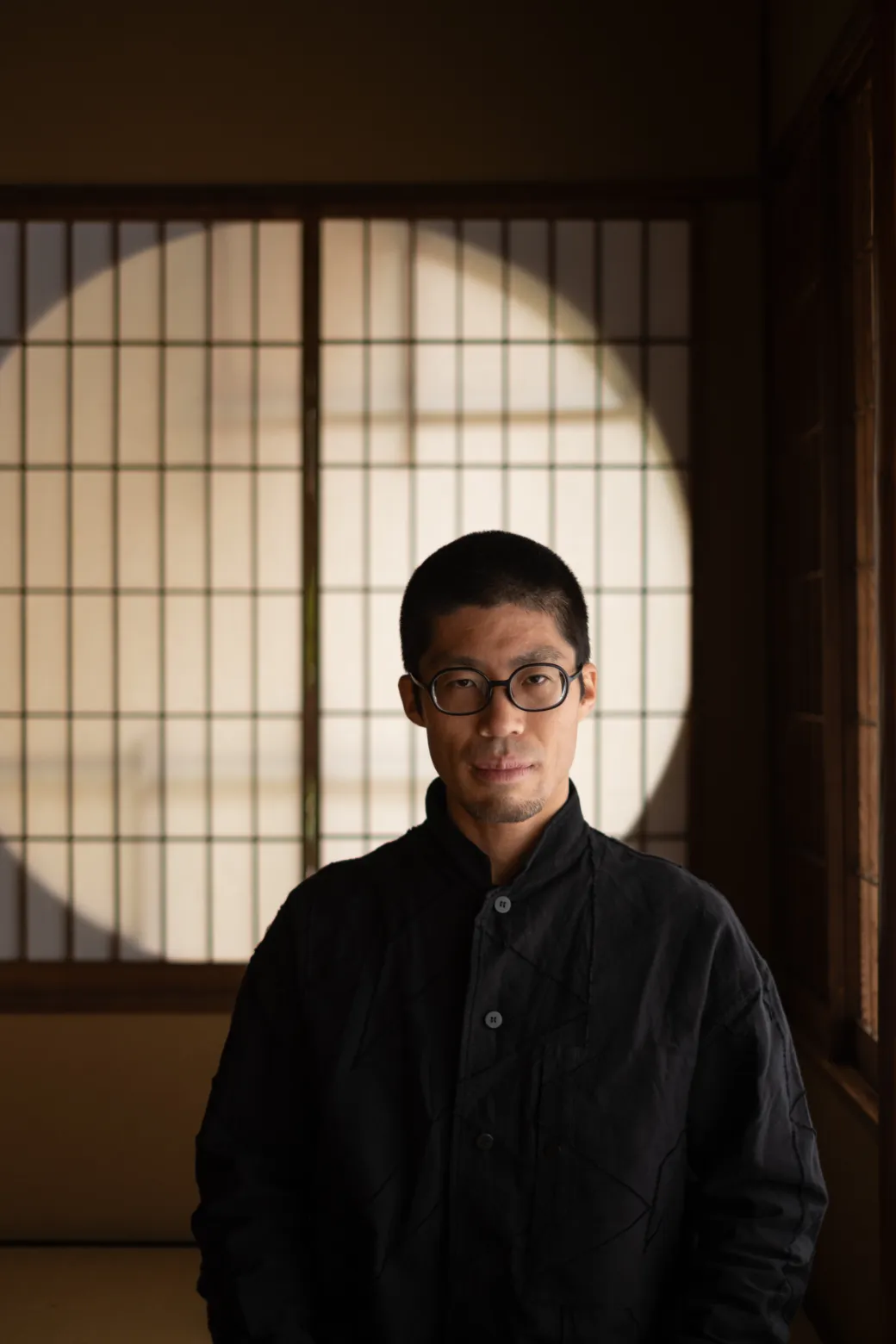
I had begun practicing tea while I was at university, but I never imagined I could become a professional tea teacher — let alone a “tea master.” That word still feels too big to me.
In modern Japan, most tea teachers are women, often housewives, who teach as a part-time vocation while their husbands work. It’s more of a personal passion than a way to make a living. And with the number of people practicing tea declining, I couldn’t picture a future where I could support myself through tea alone.
So I thought I would just continue working in an office, and tea would remain a part of my life — something I practiced after work, maybe occasionally hosting ceremonies. That felt like a balanced, modern approach. I thought, “This is the ideal style.”
But after 15 years at the company, things began to change. As a middle-aged employee, you’re expected to either step up into a leadership role or move on. Many of my colleagues had clear ambitions, pride in their work, a sense of mission. When I looked at myself, I couldn’t honestly say I felt the same.
At the same time, my supervisor became increasingly difficult and I was struggling under the pressure.
Then one morning, I followed my usual routine — woke up, had breakfast, biked to the station. But when I reached out to scan my train ticket, I just… couldn’t move. My body wouldn’t cooperate. The train I was supposed to take pulled away, and I realized: I can’t go to work today.
I called my boss and said, “I’m sorry. I can’t come in today. Maybe not tomorrow either.”
That day, I sat outside Kyoto Station, just watching people pass by. Later I walked along the Kamo River, had lunch, and drank a can of beer. Finally, I went home and told my wife, “I think I need to quit.”
She said, “I thought this day might come. It’s okay. You’ve worked hard. Don’t worry.”
A few months later I officially left.
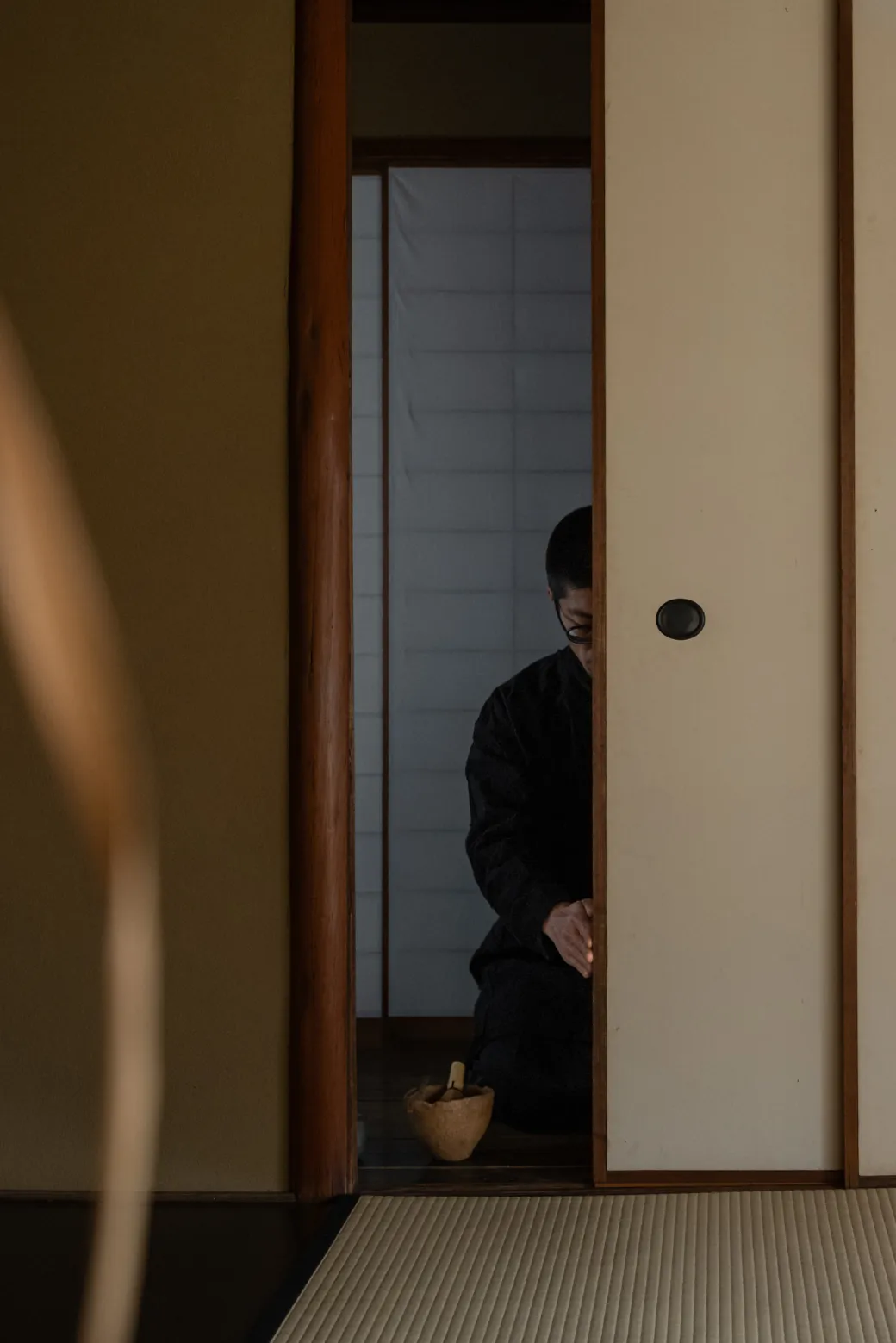
Creating Something New
Then you got a call from Toryo Ito, the deputy head priest of Ryosokuin Zen temple, inviting you to become the resident tea master, is that correct?
Yes. Ito-san had mentioned before that there might be a place for me, but at that time I wasn’t ready.
After I left my job, he invited me to host a tea gathering at Ryosokuin. A few days later he reached out again: “We still have a seat.” It was the second time he had offered. This time, I couldn’t say no.
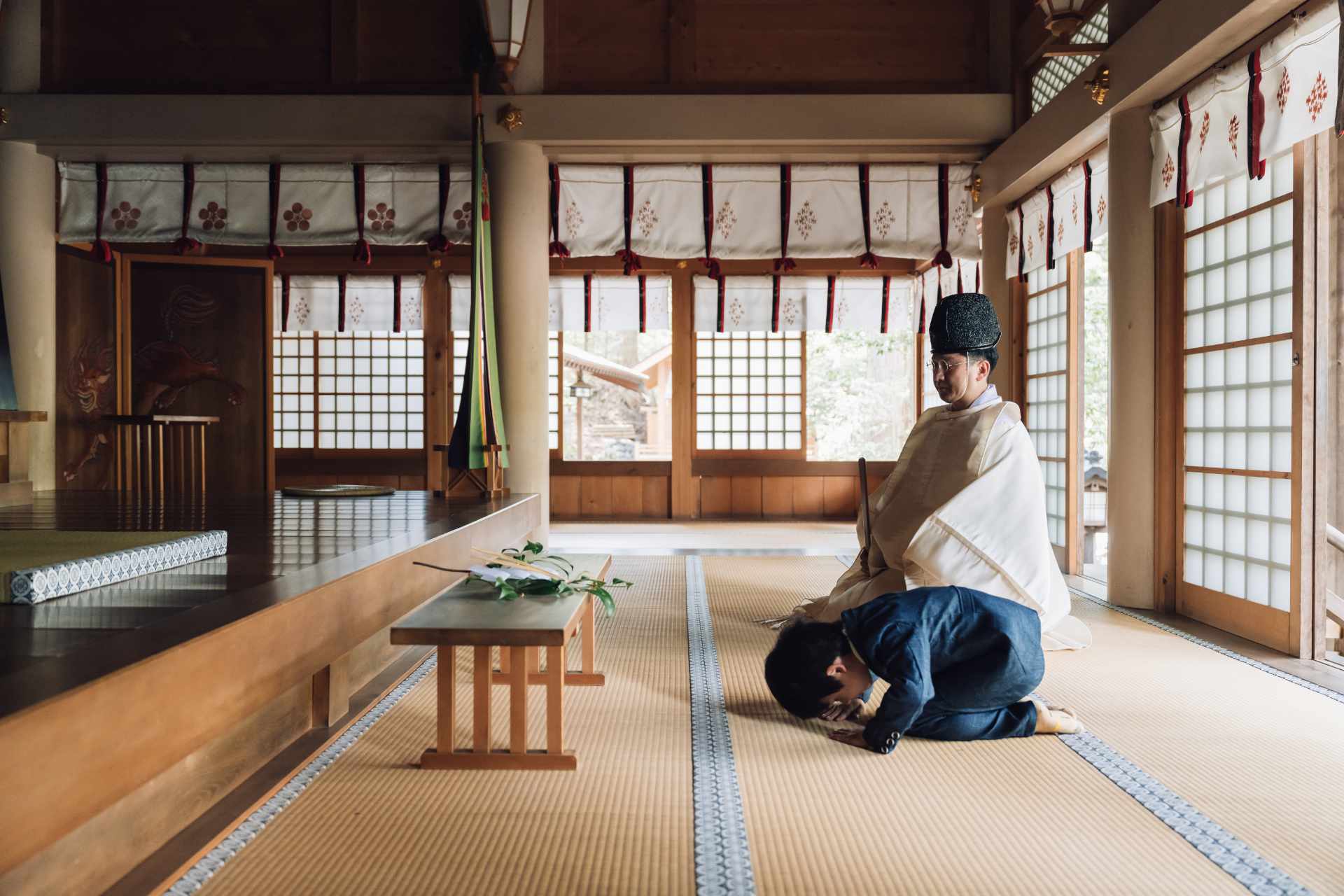
I felt overwhelmed — surprised, honored, and honestly a little scared. Ryosokuin is part of Kennin-ji, founded by Eisai, who brought tea culture from China to Japan.
When I joined, Ito-san told me, “Don’t try to become a Ryosokuin person. Ryosokuin is welcoming Fukutaro Nakayama, not the other way around.” He didn’t want me to disappear into the structure, but to bring myself forward and create something new.
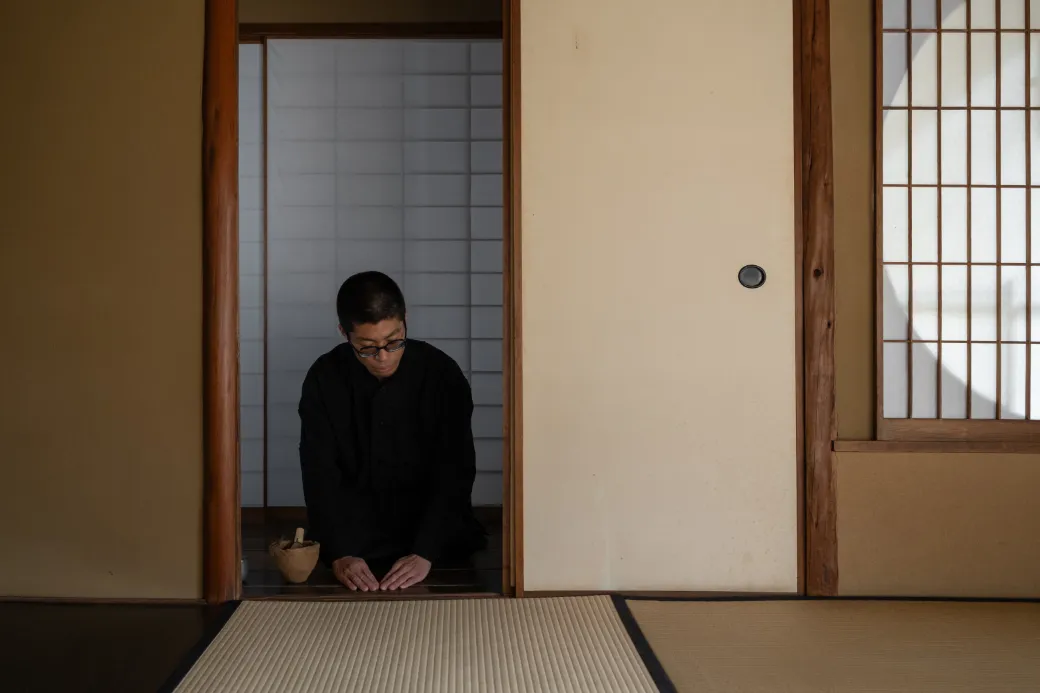
Holding the Heart of Tea
It feels like you have done exactly that and brought your own fresh approach to the tea ceremony at Ryosokuin.
I began by studying the roots of tea and the history of Ryosokuin. In modern tea practice, things can feel quite rigid — the style is often very fixed. But when I look to the origin of tea, it feels more open, more free.
I wasn’t born into a tea family, and I never belonged to a formal school. I admire the classical forms — especially Urasenke — but to master those forms takes enormous time, money and commitment. I would only be imitating.
I realized: that’s not my path.
So I shifted my thinking. I’m not here to reproduce the classics — I’m here to carry their spirit forward, and create something contemporary that still holds the heart of tea.
The tea masters of the past worked with what was available in their time — designing utensils, collaborating, searching for new forms. I decided to approach tea in the same spirit.
The gesture remains. What changes is what I find.
So I don’t need to imitate the old ways. I can inherit their mindset — how they saw the world, how they played with form — and move forward from there.
Sometimes people say, “Your tea is so contemporary.” But for me, it feels very classical. It’s just that I’m applying an old way of seeing to what’s around me now. That’s what keeps tea alive — it has always been contemporary in its time.
What I need is the classical mindset, applied to the present.
A Way to Challenge Myself
You often work with space in unexpected ways. I’m thinking of the tokonoma— a place traditionally reserved for scrolls and flowers — where you’ve introduced unfamiliar elements.
What are you exploring through this?
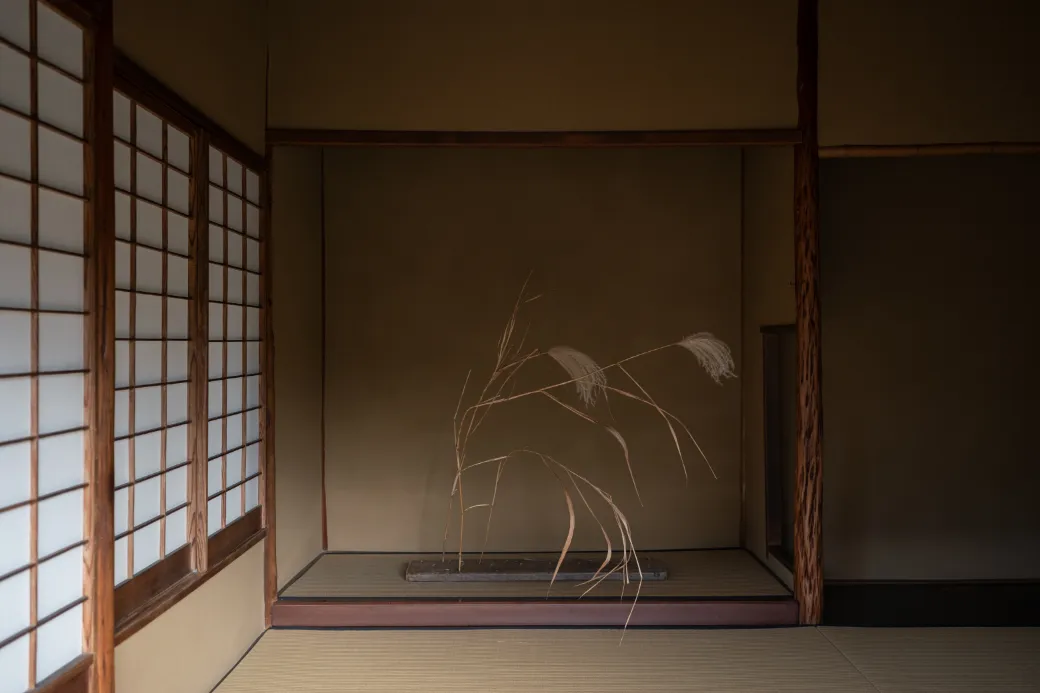
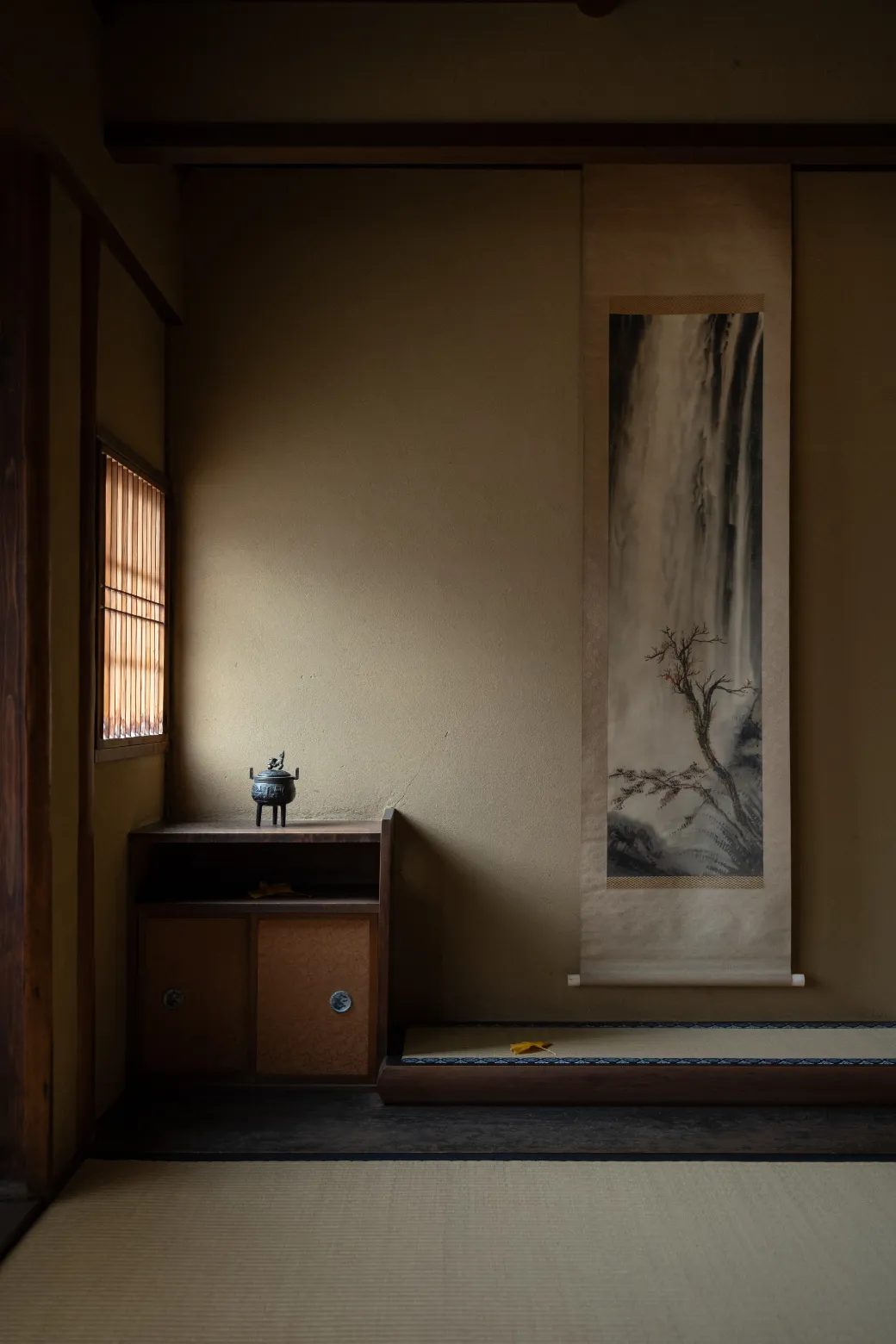
The tokonoma is a very important part of a Japanese home — and especially in the tea room. It’s the first place guests bow to when they enter. It represents the host’s intention, their spirit. The scroll, the flower, the incense — all of these carry meaning.
But over time, even the tokonoma has become fixed. It’s usually the same setup: a scroll, maybe a seasonal flower, incense.
So I started experimenting — placing unexpected things there, like a newspaper clipping. It was a way to challenge myself.
It helped me see how conditioned my own mind was — how I, too, had fixed ideas about what belonged there. But then I remembered seeing tourists put their suitcases in the tokonoma, or a television placed there in a ryokan. Many people would say, “That’s not allowed!” But I found it… interesting.
That process began to shake something loose in me. I realized the tokonoma is also just a space. A kind of 3D frame. By placing new things there, watching them throughout the day — morning light, evening light — I discovered different balances. It became an experiment. Not distant or sacred, but part of my daily life.
A Sense of Balance
It reminds me of the Zen concept of Daigi, or deep questioning, where you bring radical curiosity to your fixed beliefs and views.
Yes, I think that process of questioning is essential.
For me, it’s like adjusting a volume knob — not a switch. Most people operate from one fixed setting, but when I begin to do something unusual, I start to discover a range.
I can feel different possibilities, different balances. That’s what gives me freedom.
Through experimenting and observing, I begin to sense: this time, here. Not there. But if you only know one fixed point, you can’t make those choices.
So I try something, and then ask: Why does this feel odd? Or why do I like this? That’s how I develop that sense of balance.
Uncovering Something Essential
Who has been your own tea teacher throughout your journey, and how has he/she impacted your view on tea and life?
My teacher is Jacques Convery Sōkō. He’s originally from British Columbia, Canada.
He is a practitioner of Tibetan Buddhism. One day, before coming to Japan, his teacher suggested that studying Japanese tea ceremony might be a powerful way to deepen his understanding of Buddhism. That’s what brought him to Kyoto.
His teaching style was unlike anything I had seen before. Most tea classes in Japan are very structured — many students sitting together, learning the next prescribed step, occasionally hearing stories about tea history.
But Jacques didn’t teach like that. His sessions were mostly open dialogue. He’d ask, “What do you feel when you look at today’s hanging scroll?” or “What does this object mean to you?” And then we’d talk. That was the heart of his teaching.
He wasn’t focused on perfection or performance.
He wanted each student to uncover something original, something essential within themselves. If someone said something meaningful, he would catch it — ask more, go deeper. That was his method: following the thread, going deeper, again and again.
He broke open my small “tea world.” I had been walking in a tunnel, and suddenly he smashed the wall. I saw a vast new landscape — tea as a much larger, more beautiful world than I had ever imagined.
He gave me a kind of trust, a confidence, to dedicate myself fully to tea.
Someone is Waiting for Your Tea
You once shared that he told you, “Someone is waiting for your tea.”and that it had a profound impact on you.
Yes. He said that. And it struck me like a thunderbolt.
I had never imagined such a thing. Someone… waiting for my tea?
But if it was true, I wanted to try.
That weekend, I went to a mountaineering supply shop and bought a portable gas burner, a small kettle, and some basic tea utensils. Then I went to the banks of the Kamo River in Kyoto and sat down beside the railing.
I arranged the tea bowl and whisk. I boiled the water. But I was too shy to say anything. I just sat there — like a stone — waiting. Until a family passed by and asked, “What are you doing?”
I said, “I’m making tea. Would you like some?”
They said yes. I made tea. They thanked me.
It felt like a miracle.
Then a university couple passed by. Same thing. I invited them. They said yes.
And in that moment, I knew: Someone is waiting for my tea. It was real.
That experience gave me a kind of basic confidence. It changed something. Until then, tea was just a hobby for me. But now I knew it could be something more.
Not everyone has to take it seriously. Tea can remain a hobby — that’s beautiful too. But tea also has a deeper power. If you’re willing, it can reveal something essential.
That moment by the river — making tea for strangers — was when I first touched the door of that power.
Even now, what brings me the most joy is when that kind of moment happens — when something is shared, and both people can feel it, even if only briefly. I’m not trying to teach anything. I’m simply creating a situation where that connection can arise. That’s what I love about tea.
Tea is Not a Performance
You often speak about sharing the beauty of tea. What does that mean to you, and how does that take form?
It’s a difficult question, because beauty can be found in many places. But in tea, it emerges through a balanced engagement of the senses — when the sounds, tastes, textures, sights, scents, and timing are carefully balanced — then tea shows us its beauty.
When these elements come into harmony, something begins to appear. It’s not something you explain or teach.
It’s something you feel.
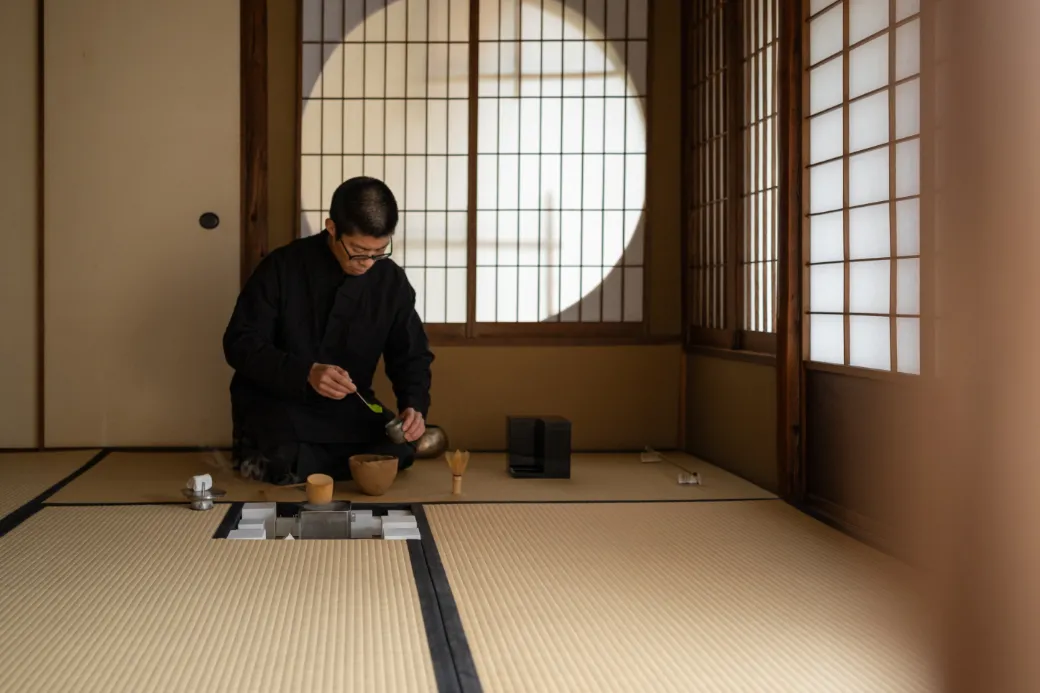
For me, one of the most important techniques in tea is placement. But not just in three dimensions. It includes time. The host arranges the utensils, the flowers, the scroll, but also moves and responds in time, sensing what is needed in each moment.
Tea is not a performance. Once a guest enters the room, they are already part of the experience. What arises is not controlled by the host alone — it is shaped together; the guest also brings their presence, their sensitivity.
Your Life is What Matters Most
Is there anything else you’d like to share with the Musubi audience?
Tea is just tea. But it’s also not just tea.
You can’t really understand it from books or interviews like this. You have to experience it. Or maybe… you already know, in your own way.
Every day I make tea, and every guest who comes has their own long story, a whole life behind them. Their experiences are often much deeper than mine. I don’t see myself as the teacher. They are the teacher.
So for me, practicing tea is not just making tea. It’s also walking with my kids, noticing a fallen leaf, watching the way the light falls on the road.
All of that is part of tea.
Tea prepares the stage where your life can appear more clearly.
Your life — not the tea — is what matters most.